

Airbnb bedroom photos help guests understand where they will sleep, how the beds are arranged, and whether the sleeping spaces fit their needs. Clear, carefully composed photographs can make those details easier to evaluate before booking, especially for families, groups, and larger vacation rentals.
A bed may seem like one of the simplest things to photograph in a home. In practice, the way a bedroom is prepared, framed, and represented can make a substantial difference in how clearly the room communicates.
Airbnb provides a dedicated “Where you'll sleep” section and lets hosts specify sleeping arrangements within their listing. Its guidance on sleeping arrangements reflects a practical question guests need answered: who can sleep where?
Why Bedroom Photography Deserves Special Attention
For a group booking a vacation rental, the sleeping arrangement is part of the decision to reserve the property.
Guests may be comparing a home with a king bed in the primary suite, a second bedroom with two twins, a room with bunk beds, and a sofa bed in the living room. They also need to understand how rooms are separated and whether a bathroom is attached to a particular bedroom.
A single wide photograph cannot always answer all of those questions.
The most useful bedroom coverage combines a clear view of the room with supporting photographs that communicate the bed, furnishings, lighting, and other details. The result should help guests understand the sleeping space while making it feel comfortable and well prepared.
Start With the Actual Sleeping Arrangement
Before photography begins, the listing details and physical rooms should agree.
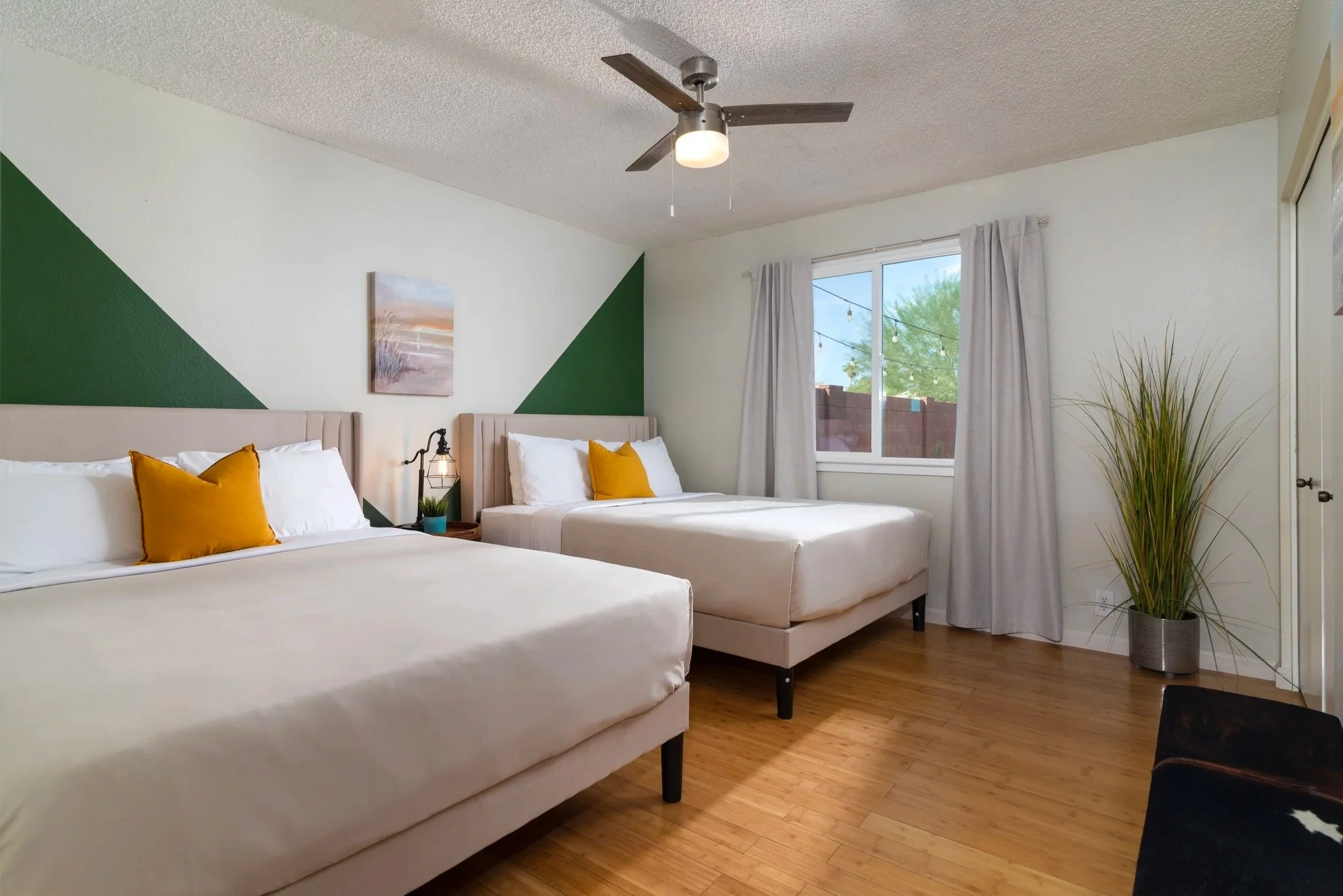
A two-bed arrangement in a Tempe Airbnb with matching bedding and coordinated decor shows guests the thoughtfulness that went in to preparing this rental.
Check that each room's bed type and size are accurately described. Confirm that bunk beds, twin beds, sofa beds, and other sleep options are represented correctly. If a bedroom has an en-suite bathroom, a work area, a dedicated television, or other relevant features, make sure the images and listing information communicate those features clearly.
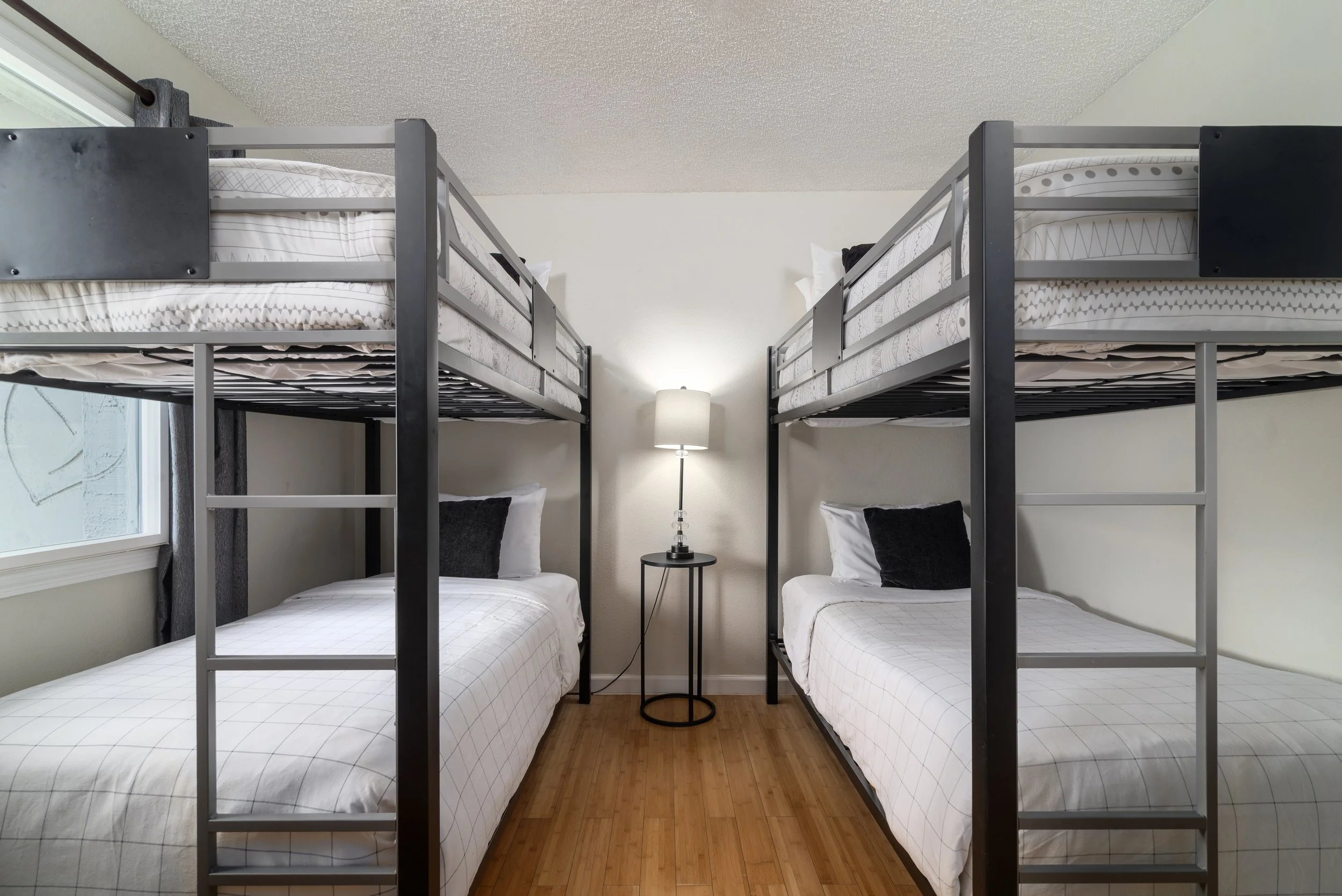
A multiple-bunkbed arrangement in this Tempe Airbnb shows booking guests how versatile accommodations can be to maximize capacity.
Airbnb allows hosts to specify sleeping arrangements within its listing tools. The gallery should support that information rather than leaving guests to guess from photographs alone.
This is especially useful for larger properties, where the number of bedrooms alone does not tell the whole story.
Often, showing versatility like a Murphy bed in an office, a pullout sofa bed in a living room, or a multi-bed bedroom, implies that multiple young ones can occupy the same space while giving the adults their own privacy and space during their stay.
Wide, Mid-Range, and Detail Photographs Each Have a Job
A well-planned bedroom gallery uses different views to communicate different information.
The Wide View: Understand the Room
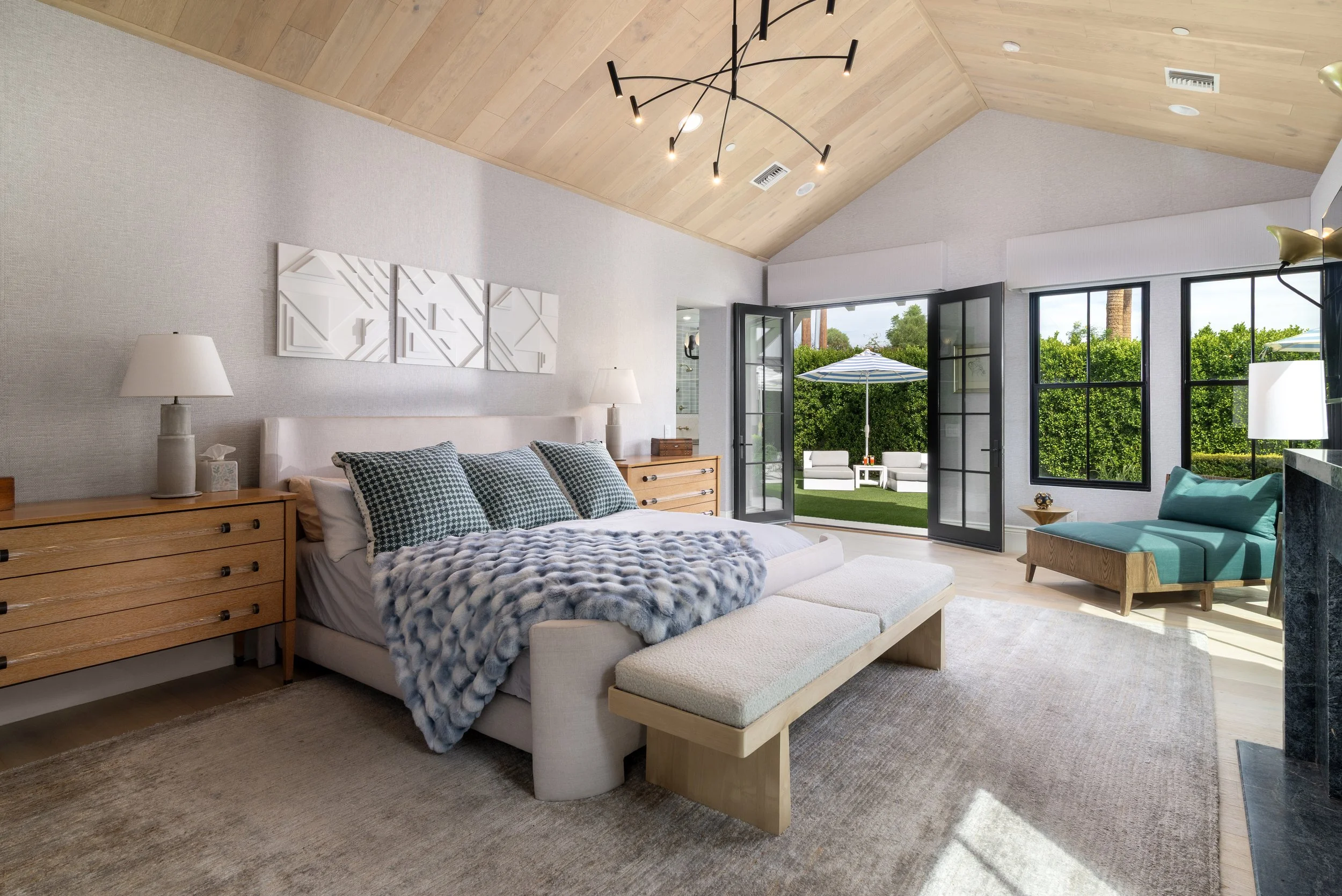
Wide view of a primary suite in a scottsdale Airbnb that shows space and atmosphere and lets viewers see how rooms and spaces connect.
A wide photograph shows the bed in relation to the room. It can reveal the layout, available floor space, windows, furniture placement, and overall character.
The composition should make the room understandable without making it look materially larger or different from its actual dimensions.
The Mid-Range View: See the Bed Clearly
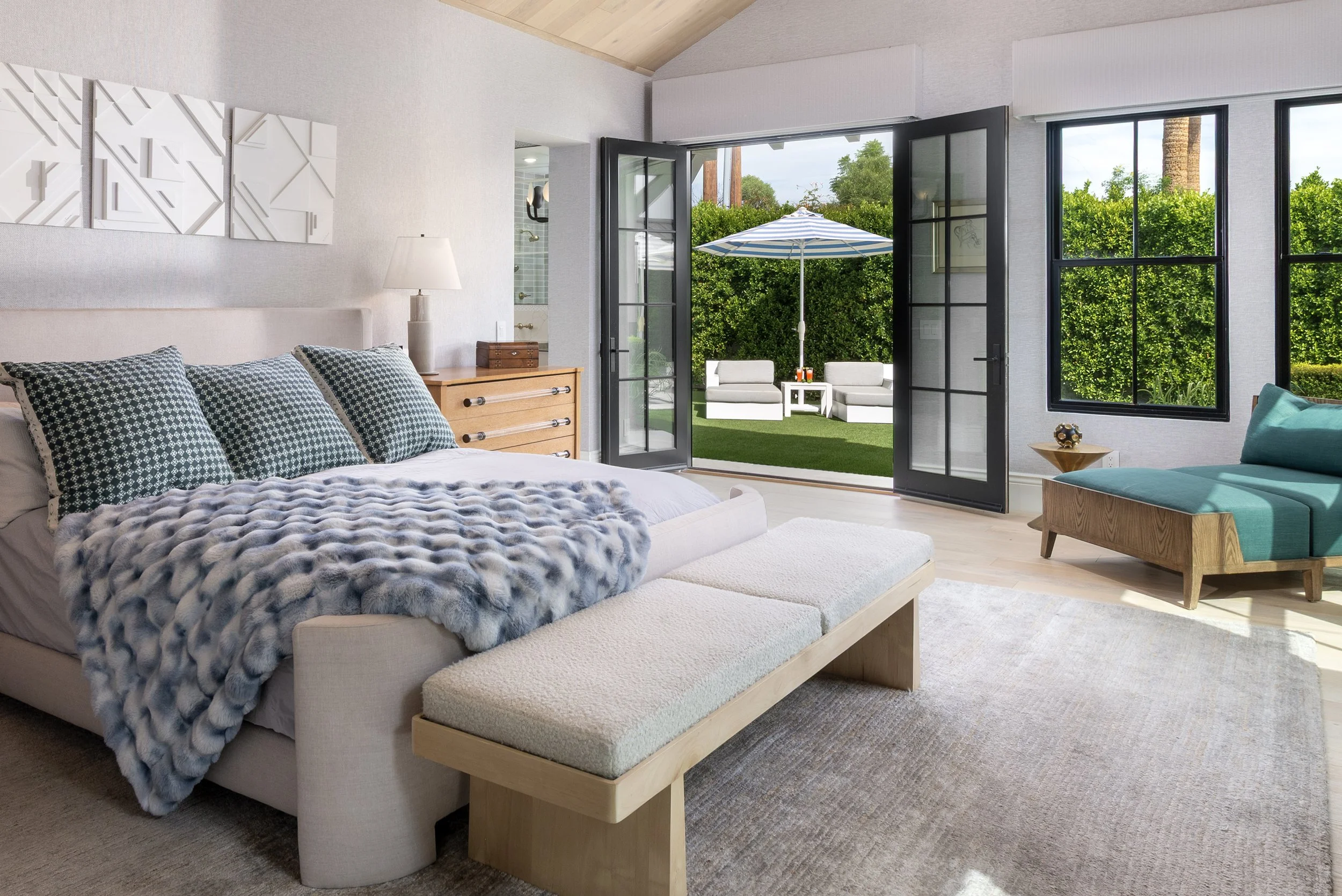
A more “cropped” view in this primary suite that focuses primarily on how the furnishings work together both in functionality and style.
A closer composition gives the bed more attention. It makes the bedding, headboard, pillows, and surrounding furnishings easier to evaluate.
For rooms with distinctive colors, textures, or design details, this view can help communicate the intended aesthetic.
The Detail View: Show the Finishing Touches
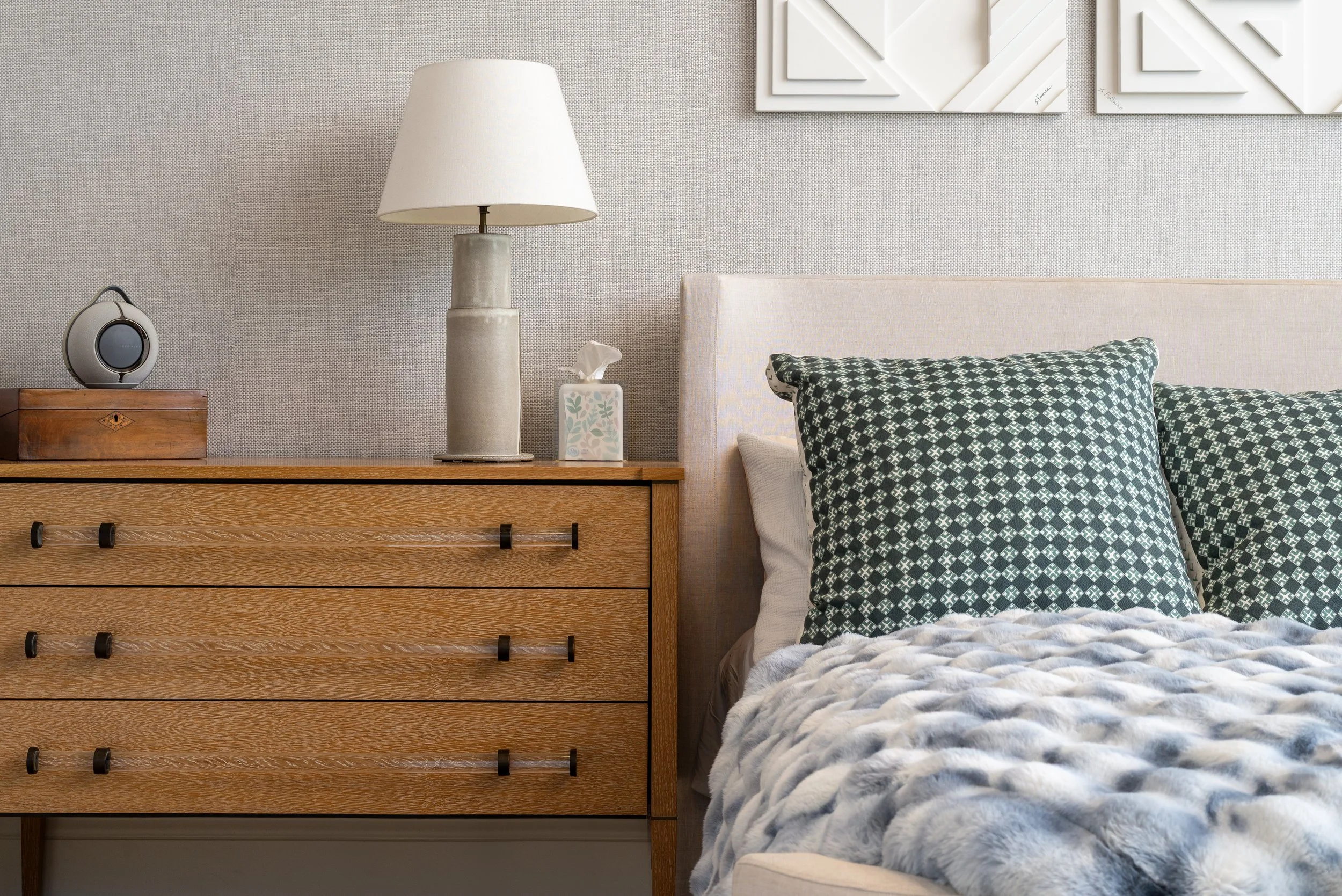
An intimate more close-up detail of “Where You’’ll Sleep” so that guests can imagine how they will logistically interact with the furnishings and consumables in the vacation rental.
A detail photograph can show the bedding texture, a bedside table, a lamp, or another element that gives the room its character.
During a professional shoot, the photographer may switch to a longer lens for these details. A carefully composed view of the bedside table and lamp, for example, can communicate the quality and atmosphere of the room without distracting from the main sleeping arrangement.
Details should support the wider views rather than replace them. Guests still need to see the bed itself and understand how the room functions.
Bedding Preparation Changes the Photograph
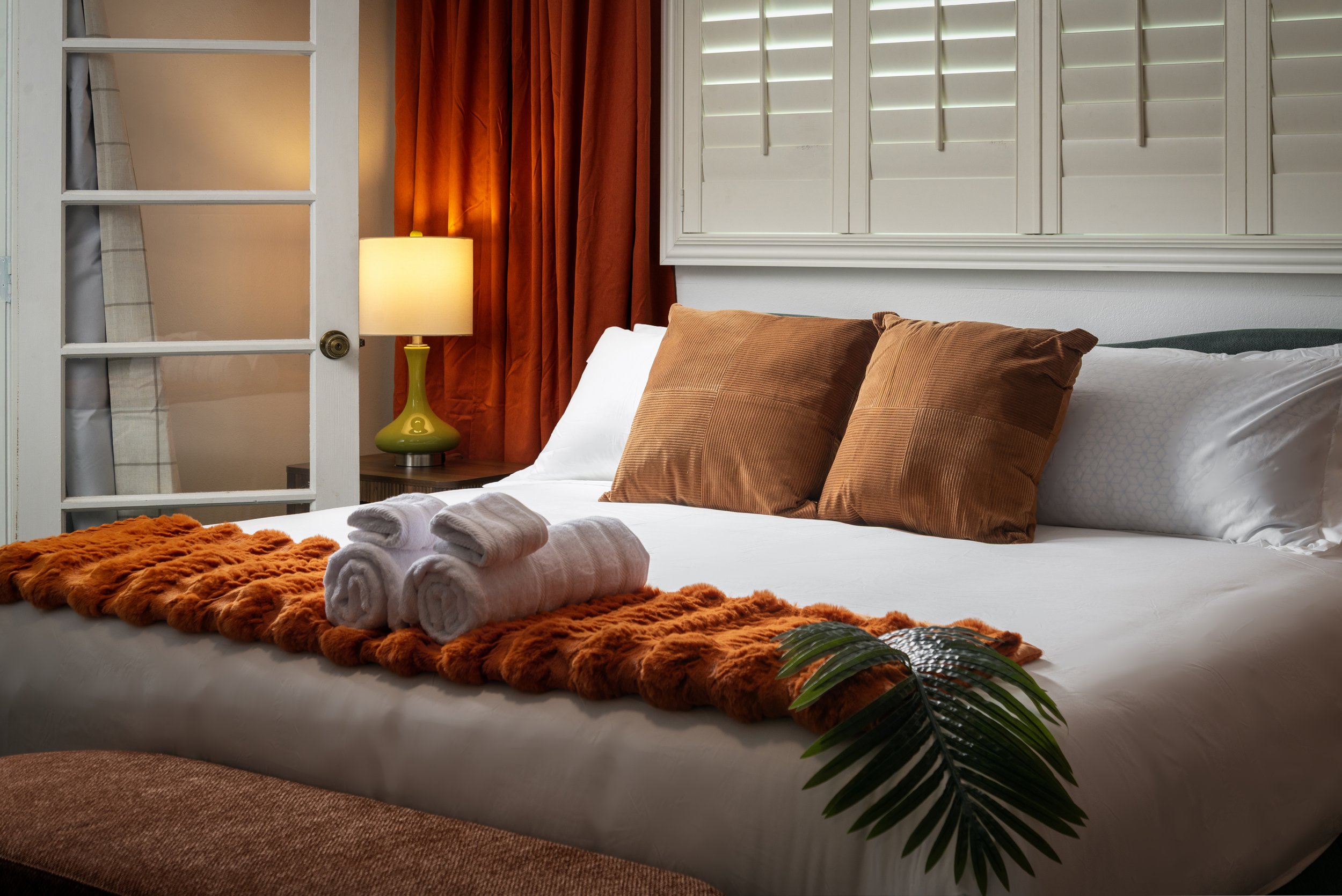
Fresh bedding is only part of the preparation.
The sheets, duvet or comforter, and pillowcases need to fit their intended beds. Bedding taken straight from packaging may have pronounced wrinkles, and pillow inserts that are too small for their covers can leave the pillows looking flat or poorly shaped.
Those details tend to become more noticeable in photographs, particularly in rooms with simple color palettes and clean lines.
Before a photo session, check that:
Sheets fit the mattress properly and are tucked in neatly.
Comforters and duvet covers are sized appropriately and smoothed out.
Pillow inserts fill their cases without excessive sagging or empty corners.
Decorative pillows are clean and arranged consistently with the room's style.
Bedside tables, lamps, and other nearby furnishings are positioned intentionally.
Curtains, shades, and lighting are ready for the planned photographs.
The final bed arrangement matches the listing's advertised sleeping capacity.
Bedding should also be clean, guest-ready, and practical for the rental's turnover routine. A visually appealing bed needs to be one that the host can consistently prepare for actual guests.
A Field Note: The Difference Between Furnished and Photo-Ready
A recent new-listing shoot illustrated how easily these details can be overlooked when a property is being prepared remotely.
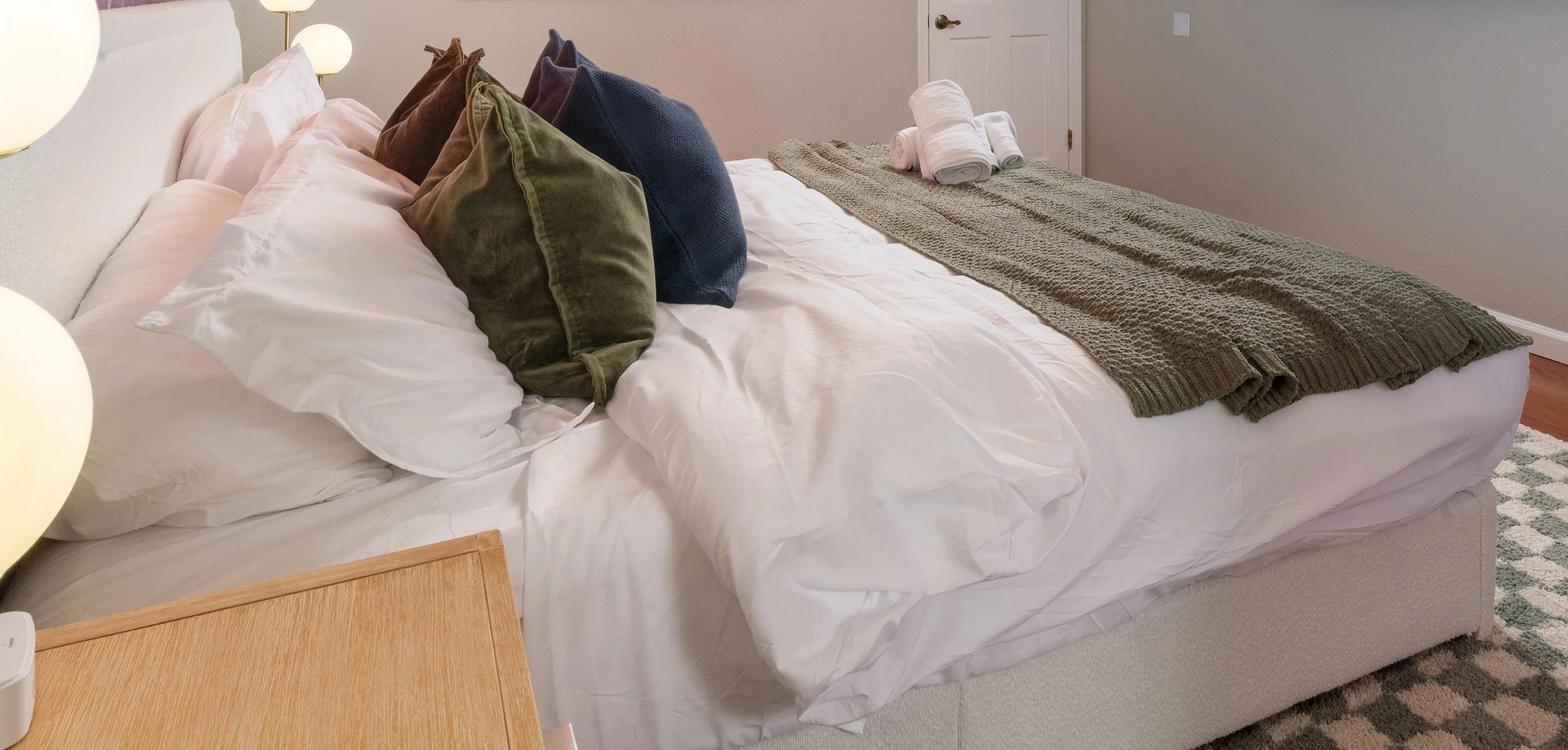
Original capture: The bedding as photographed on site, before retouching.
The bedrooms were furnished, but the bedding had not been fully fitted or smoothed. Some of the linens still showed pronounced wrinkles, and the pillow inserts did not adequately fill their cases. Similar issues appeared across several sleeping spaces.
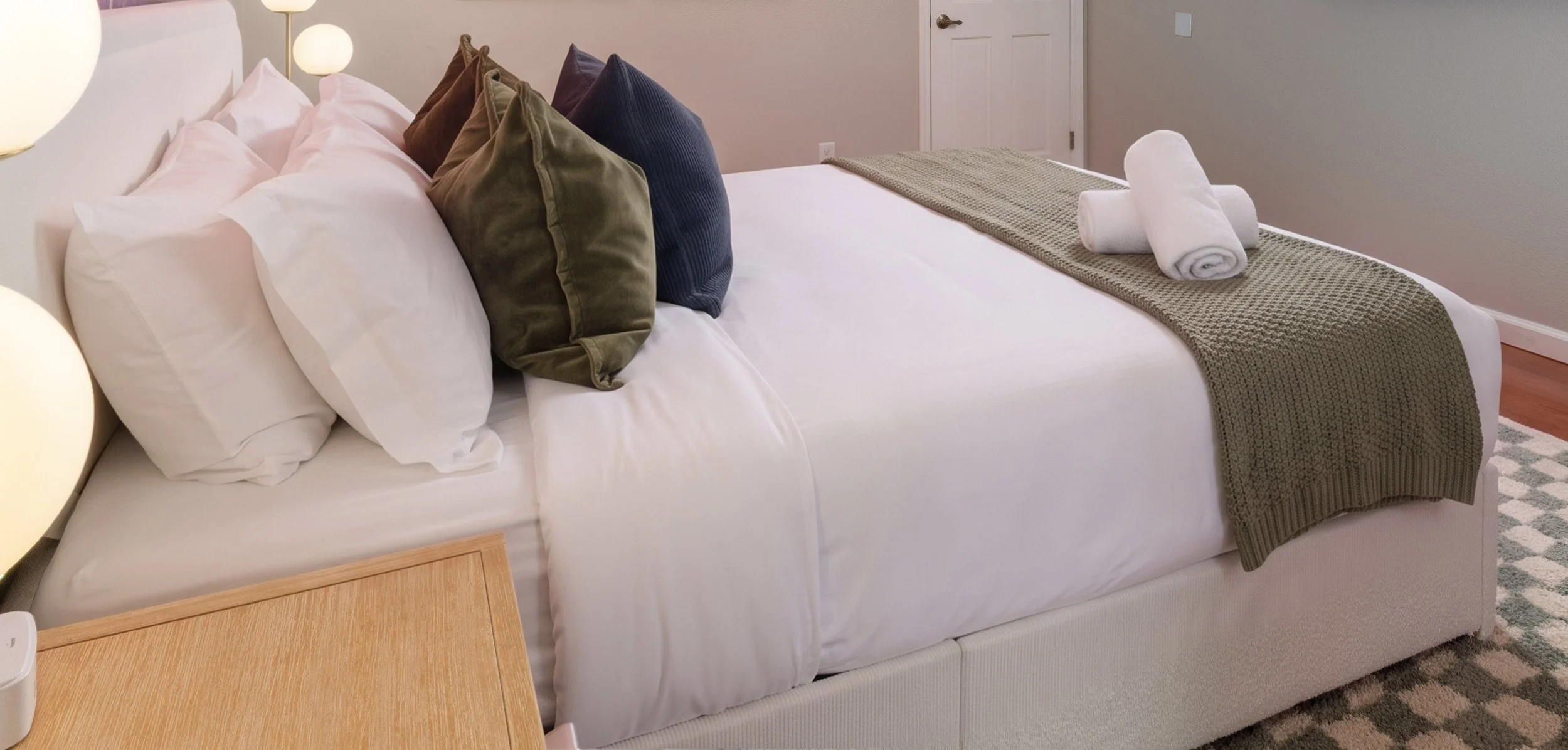
Targeted bedding retouch: Bedding and pillow presentation refined in post-production; the rest of the room retained.
With the shoot already underway and limited time available to reset every bed, the images required additional post-production attention. The host subsequently corrected the physical setup.
The useful lesson is about preparation, particularly when the property owner is relying on a designer, cleaner, or local team to prepare the home from a distance.
A room can be furnished and still not be ready for photography. A room can also photograph well after retouching while the physical setup remains unfinished. Those are two different conditions.
The safest process is to inspect the property before the photographer arrives, correct bedding and styling issues on site, and make sure the actual beds match the final listing images before the gallery goes live.
Can Photo Editing Fix Poorly Prepared Bedding?
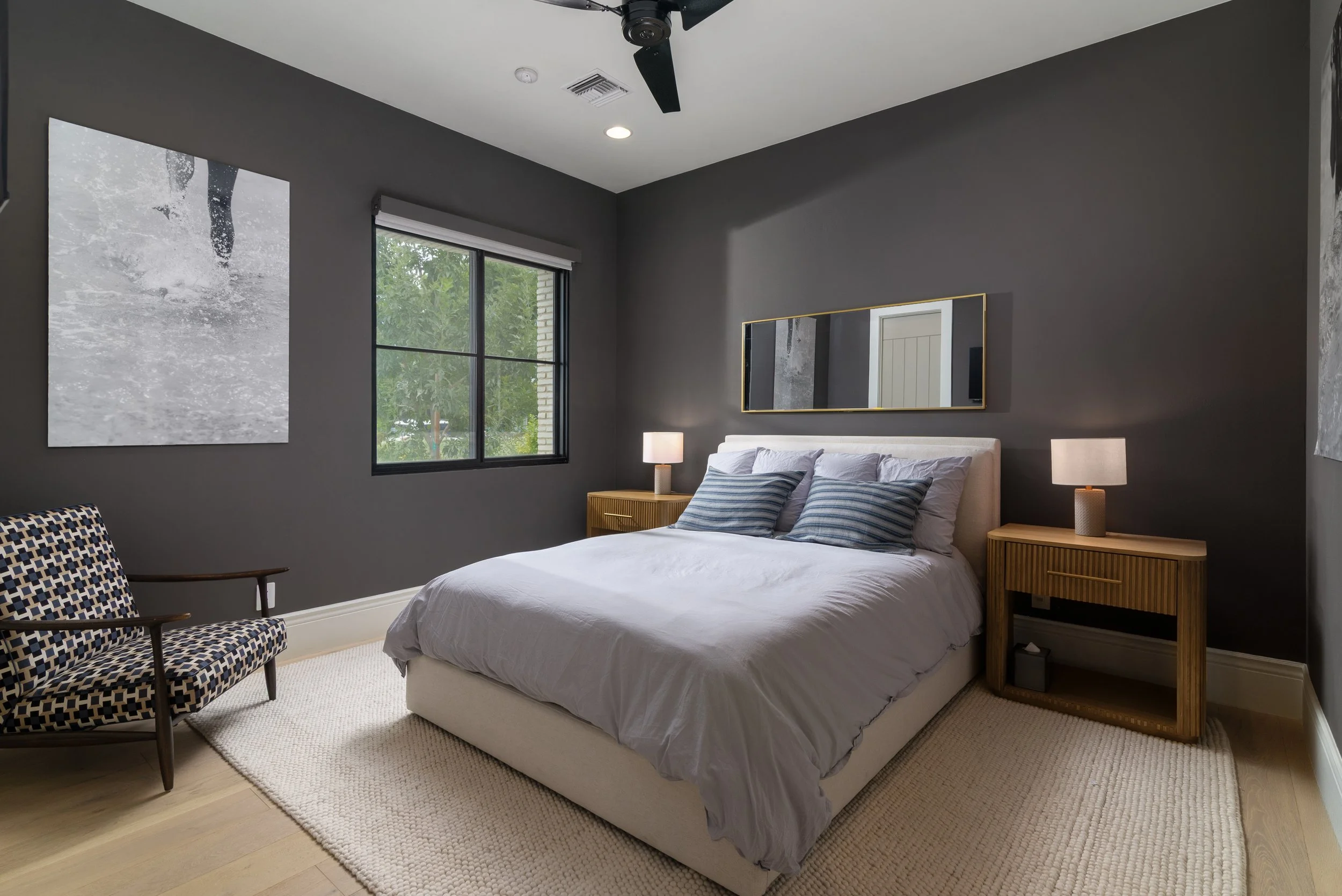
Original photo where the bed in this Scottsdale VRBO wasn’t as “crisp” and finished as it could be.
Post-production can sometimes help with presentation, but it should not become the default solution for avoidable preparation problems.
A photographer may be able to correct a minor visual distraction or refine lighting and color. More substantial changes to bedding or room contents require care because the final photographs need to represent what guests will actually encounter.
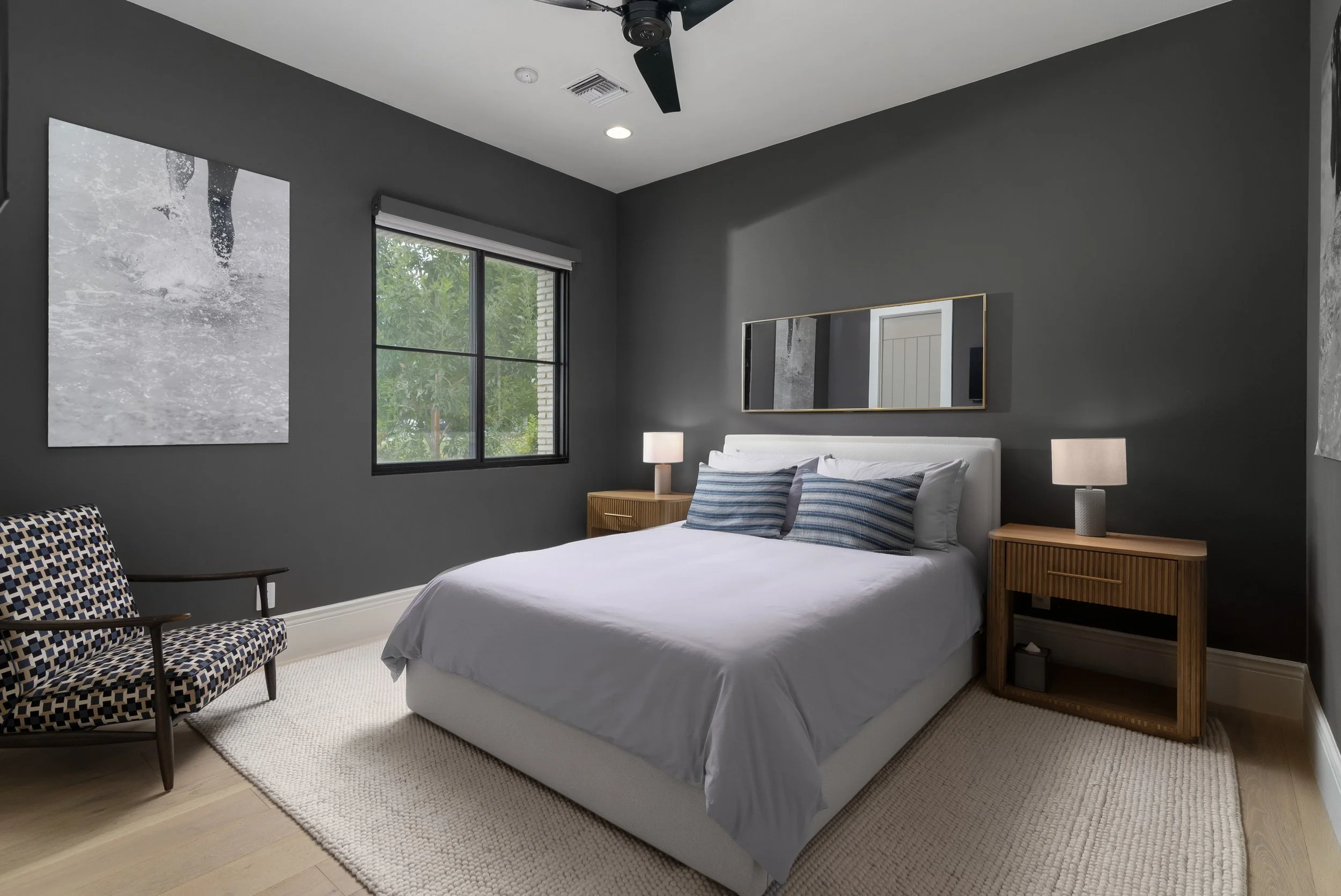
Post-editing of the same bed where the bedding looks more finished and cared for.
If retouching is used to show bedding in a tidier arrangement, the physical bed should be brought into that corresponding condition before those images are published or guests arrive. Editing should not create a sleeping arrangement, amenity, or condition that the property cannot provide.
When the preparation falls short, a physical correction is generally the more reliable solution. It also reduces unnecessary editing time and the likelihood that a reshoot will be needed.
Why This Matters for Remote Hosts
Owners who manage a vacation rental from another city or state may depend on designers, furnishing teams, cleaners, or local property managers to prepare the home. A room can be furnished without being fully ready for photographs, and those details can be difficult to evaluate remotely.
Before a photographer arrives, someone should inspect each bedroom in person. Bedding needs to fit, pillows need appropriate inserts, and the physical setup needs to match the intended guest experience.
If a shoot reveals a problem, the best solution will depend on the situation. Sometimes it means correcting the room before photographing it. Sometimes a limited retouch can help resolve a visual issue when reshooting isn't practical.
The priority is to deliver a polished, accurate presentation while keeping the listing photographs aligned with the property guests will actually encounter.
Bedroom Photos Should Reflect the Entire Guest Experience
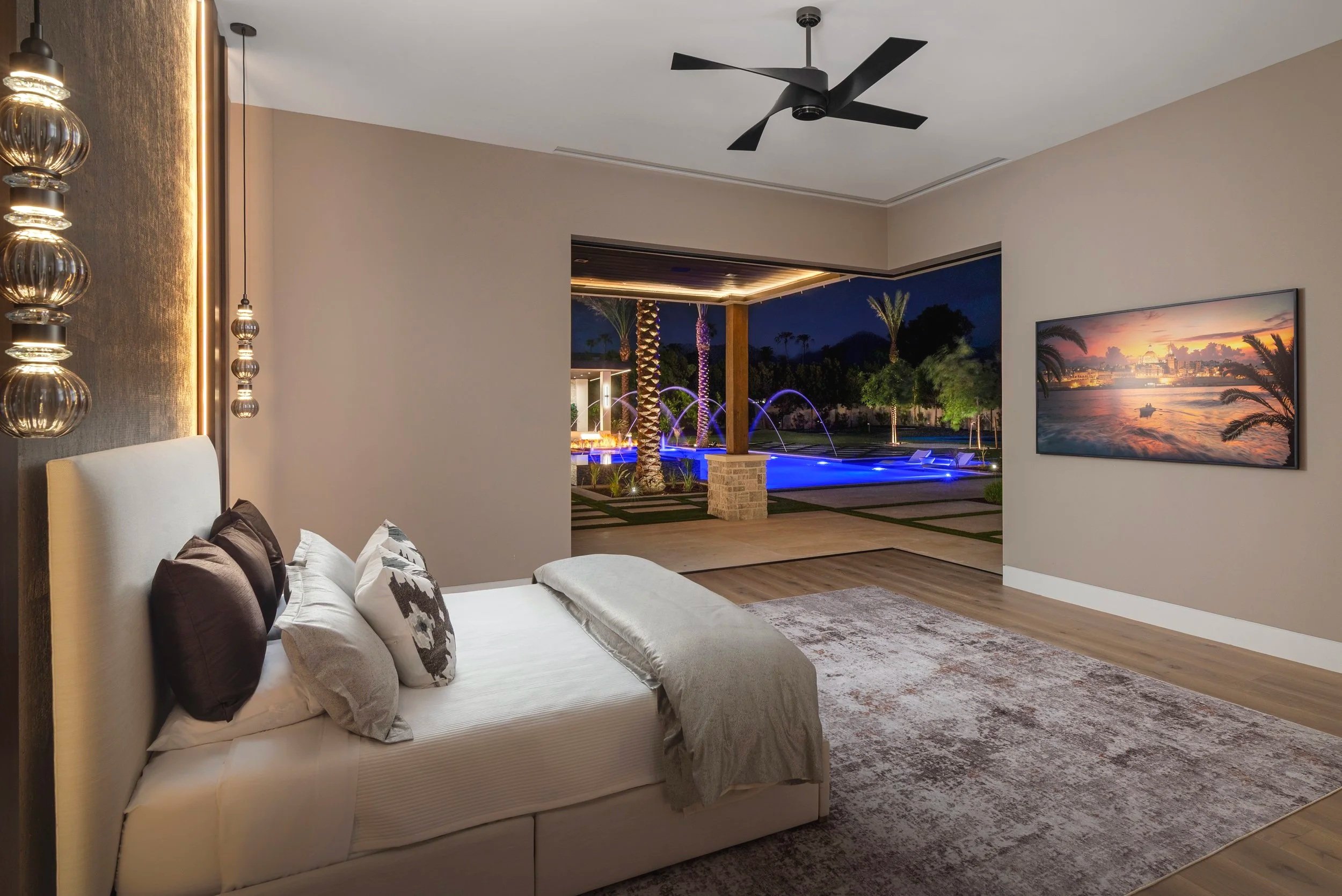
The primary suite in a luxury Scottsdale residence photographed at twilight shows how occupants can utilize its space for an indoor-outdoor experience.
The bed is the focal point, but it is not the only information a bedroom photograph can provide.
Guests may want to know whether there is space to walk around the bed, where luggage can be placed, whether the room has natural light, and how the space relates to a bathroom or adjoining room.
A complete gallery can answer those questions through a combination of room views and appropriate detail shots. The aim is to make the room easy to understand, not to overwhelm the guest with repetitive angles.
For a property with multiple bedrooms, the photographer should also give each space enough individual attention that guests can distinguish one room from another. Consistent presentation helps, but every bedroom should be represented accurately.
Frequently Asked Questions
-
There is no single number that suits every room. A useful starting point is a clear wide view, a supporting view that shows the bed and room details, and additional photographs where they communicate something meaningful. Larger or more distinctive bedrooms may warrant more coverage. However, Airbnb puts greater emphasis on sleeping arrangements on their platform.
-
Detail photos can help communicate texture and presentation, but they should complement a clear view of the actual bed and room. Guests need both the overall layout and enough close detail to understand the sleeping space. A good photographer who specializes in short term rentals will understand what combination of images work best for your particular listing.
-
Make the beds properly, smooth or steam visible wrinkles as appropriate, ensure pillow inserts fit their covers, remove packaging and clutter, and confirm the room's final appearance matches the listing details. Check each bedroom individually rather than assuming the same preparation has been completed throughout the house. HERE is a link to a Airbnb Filed Guide, a free downloadable and printable PDF that will help guide your preparation for the short term rental market on any platform.
-
Professional lighting and composition can improve how clearly a room is presented. The final photographs should still represent its actual dimensions, furnishings, bed configuration, and condition. Material changes that misrepresent the physical room undermine the purpose of accurate listing photos.
-
Airbnb's listing tools prominently display and include a “Where you'll sleep” section and allow hosts to enter sleeping arrangements. Hosts should keep those details aligned with their actual setup and supporting photographs. Platform layouts may change, so preview the published listing before accepting reservations.
Prepare the Property Before the Photographer Arrives
A little preparation makes the photography session more productive and helps ensure that the final gallery represents the property as it will be experienced by guests.

For a broader room-by-room checklist, download the free Airbnb Field Guide. It covers styling and photography preparation for Arizona vacation rentals.
Sean Colón Photography works with Arizona Airbnb hosts, vacation rental owners, and property managers to create listing imagery that presents sleeping spaces, amenities, and interiors with care and accuracy.
Explore Short-Term Rental Photography in Arizona to learn more about the photography process and available coverage in Phoenix, Paradise Valley, Scottsdale, Mesa, and beyond!
Services include: Interiors, exteriors, twilight, aerial / drone photography, floor plans and more.
Planning to launch a new Airbnb short term rental or updating an existing one?
Reach out to discuss the best use of professional photography to get better bookings and higher rates for your next investment.
Check out these CASE STUDIES where planning and preparation where key to creating a successful marketing gallery on Airbnb:

About the Author

Sean Colón is an Arizona-based architectural, short term rental, and real estate photographer with over 14 years of professional experience. He works with short-term rental owners, real estate agents, builders, and designers across the East Valley, focusing on accurate, well-composed imagery that supports how properties are marketed and understood.
His work emphasizes consistency, color accuracy, and visual clarity across residential, architectural, and commercial projects.


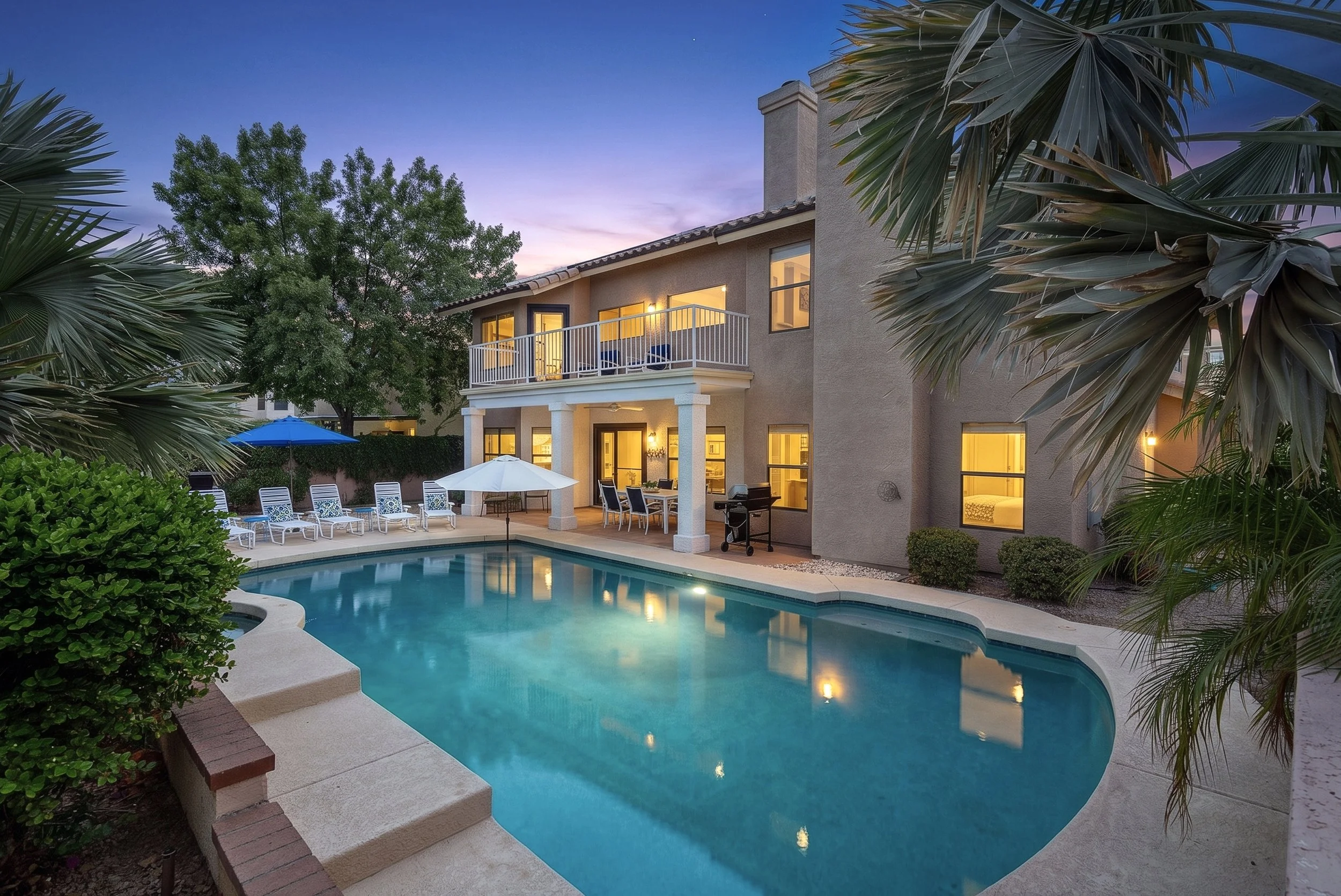
Before arriving at an Arizona vacation rental, guests rely on the listing to understand the space they are booking. They need to know how the home is arranged, where people will sleep, what the bathrooms look like, which amenities are available, and how the property relates to its surroundings.
Photographs help answer those questions before a guest commits to a reservation in the Phoenix area.