
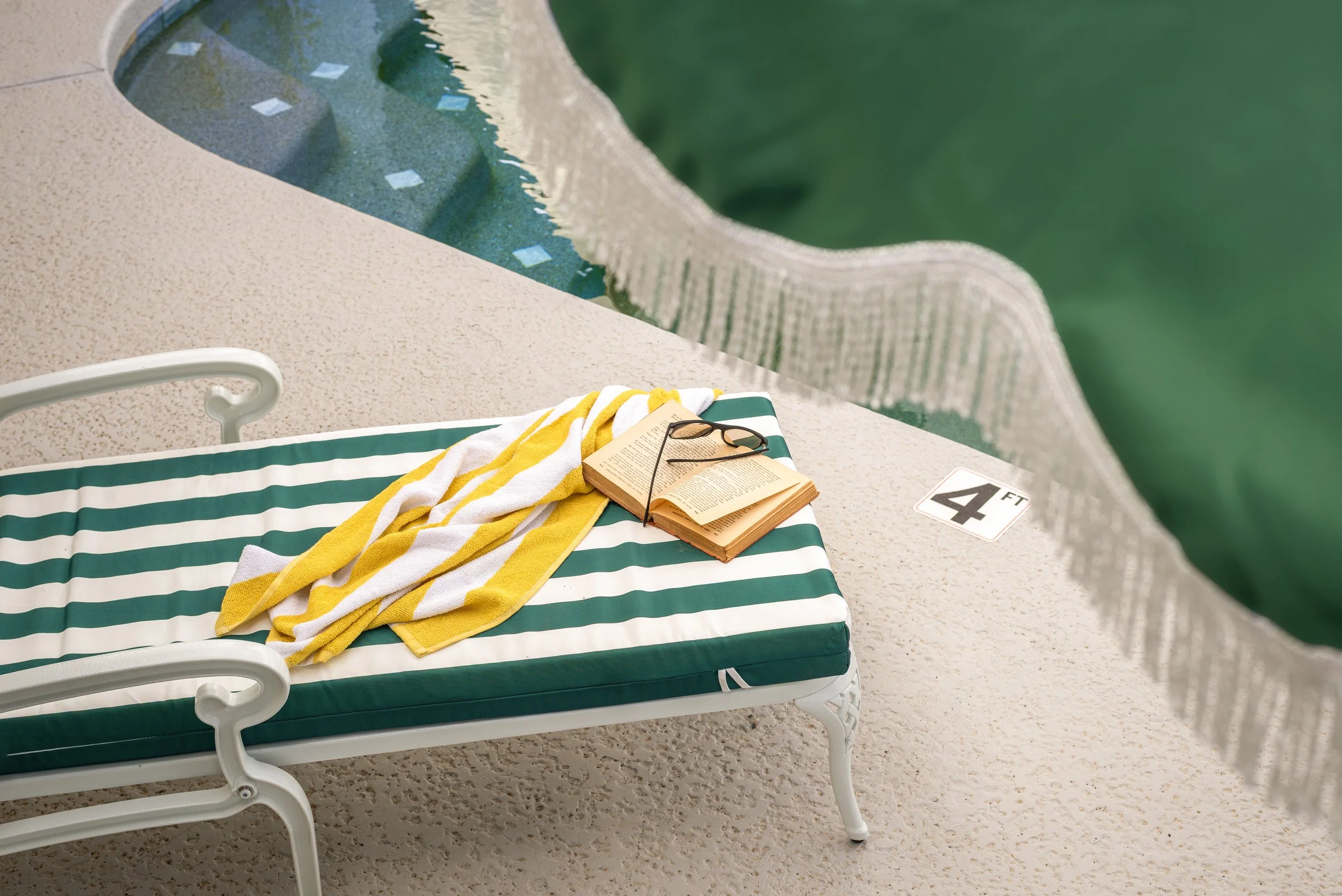
Creating a 1969 Tennis Club-Inspired Airbnb in Tempe
A Short-Term Rental Photography Case Study in Art Direction, Lighting & Creative Collaboration
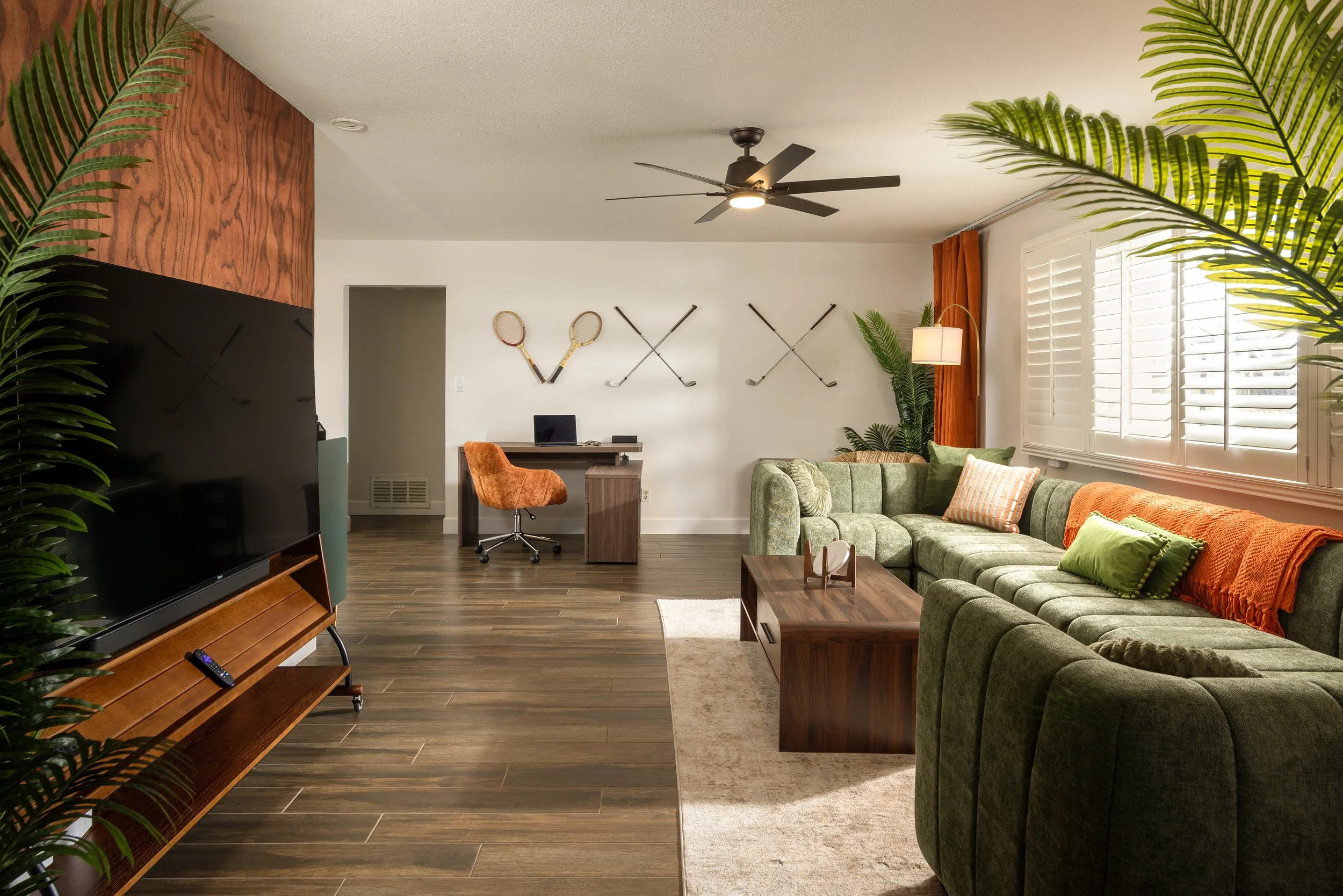
The pool and exterior spaces were intended to be photographed around golden hour, while individual rooms needed to feel comfortable, intentional, and authentic to the property's personality.
The host, Bobby Besabe, is based in Las Vegas and works in digital marketing. He understood exactly how he wanted the property to be presented and had a clear vision for the finished imagery.
What he needed was the photographic expertise to translate that vision into a cohesive collection of images. That made this project especially collaborative.
The photography wasn't simply about documenting what was already there. It was about interpreting the art direction and building the mood through composition, lighting, styling, and post-production.
Project Snapshot
Location: Tempe, Arizona
Property: 5-bedroom short-term rental
Sleeps: 14 guests
Client: Out-of-state Airbnb arbitrage host based in Las Vegas
Art Direction: Bobby Besabe
Photography: Interior, exterior, lifestyle details, twilight, and amenity photography
Primary Goal: Create a warm, hosted, lived-in visual experience that reflected the property's colorful vintage-inspired design and differentiated it from typical Tempe vacation rentals.
The Assignment
This Tempe Airbnb began with a mood board.
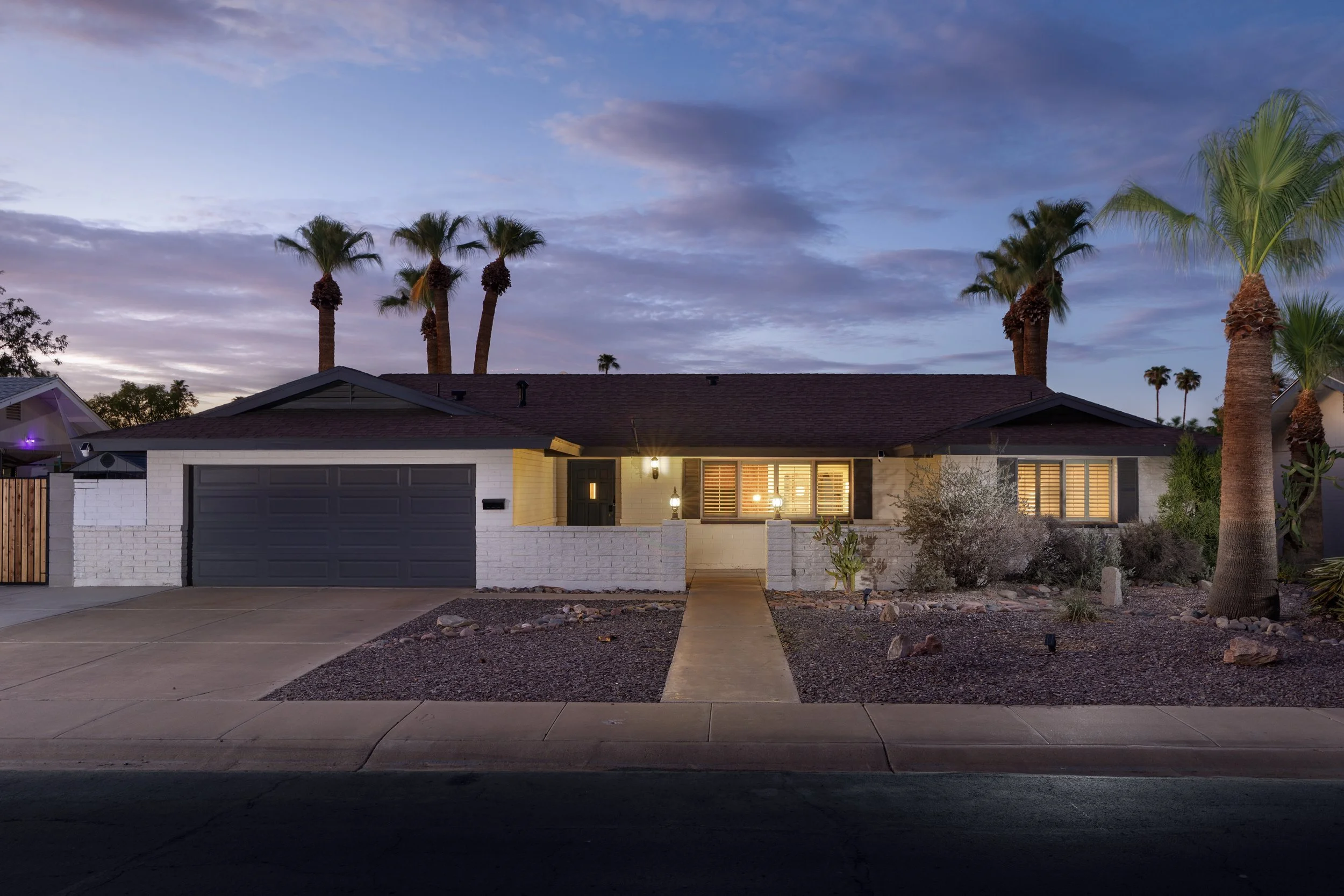
The property was an older cinderblock home, but the host had transformed it with colorful furnishings, 1970s-inspired finishes, vintage and new-vintage pieces, and a collection of spaces designed specifically around entertaining.
The visual direction was meticulous, well-planned, and specific..
The host wanted the photography to feel warm, hosted, and lived-in, with the atmosphere of a 1969 tennis club. Amenities were meant to appear in use rather than simply displayed.
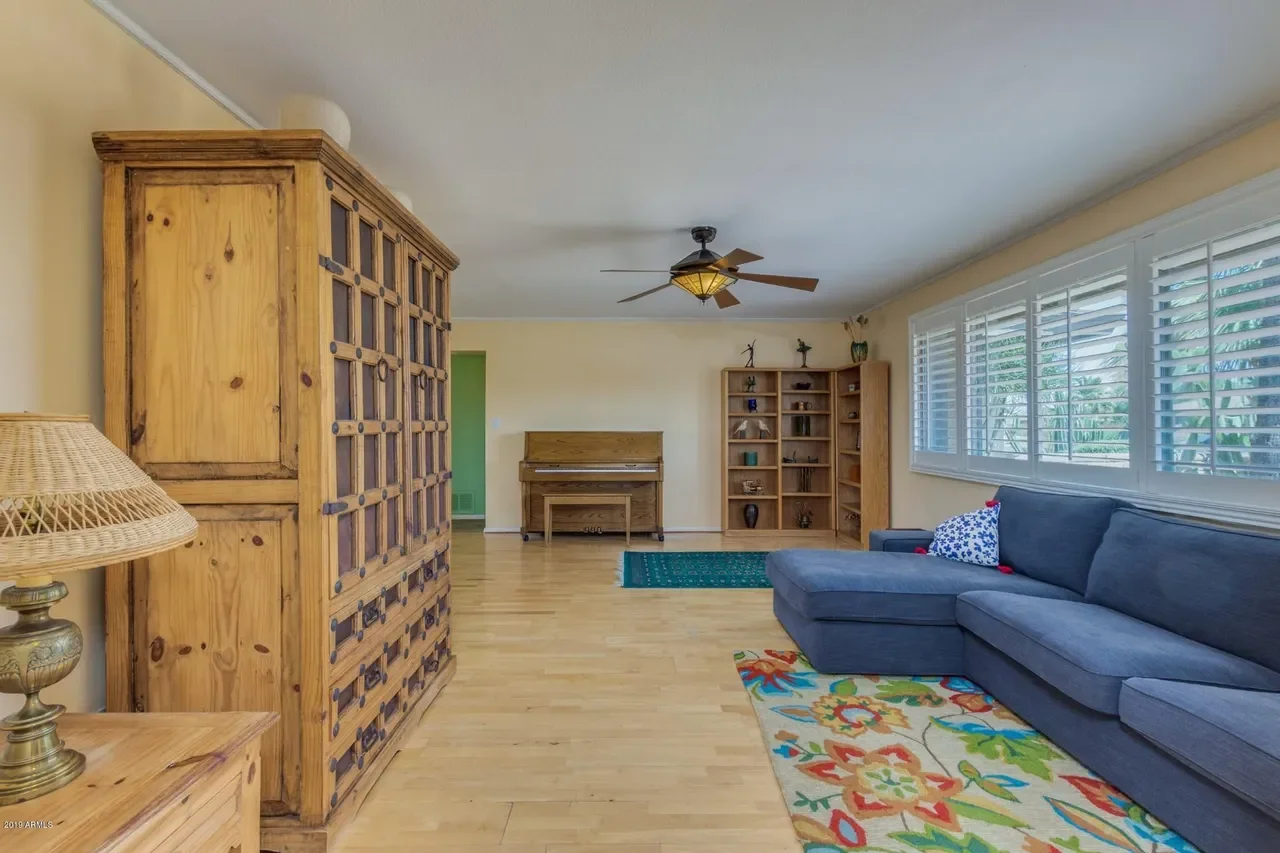
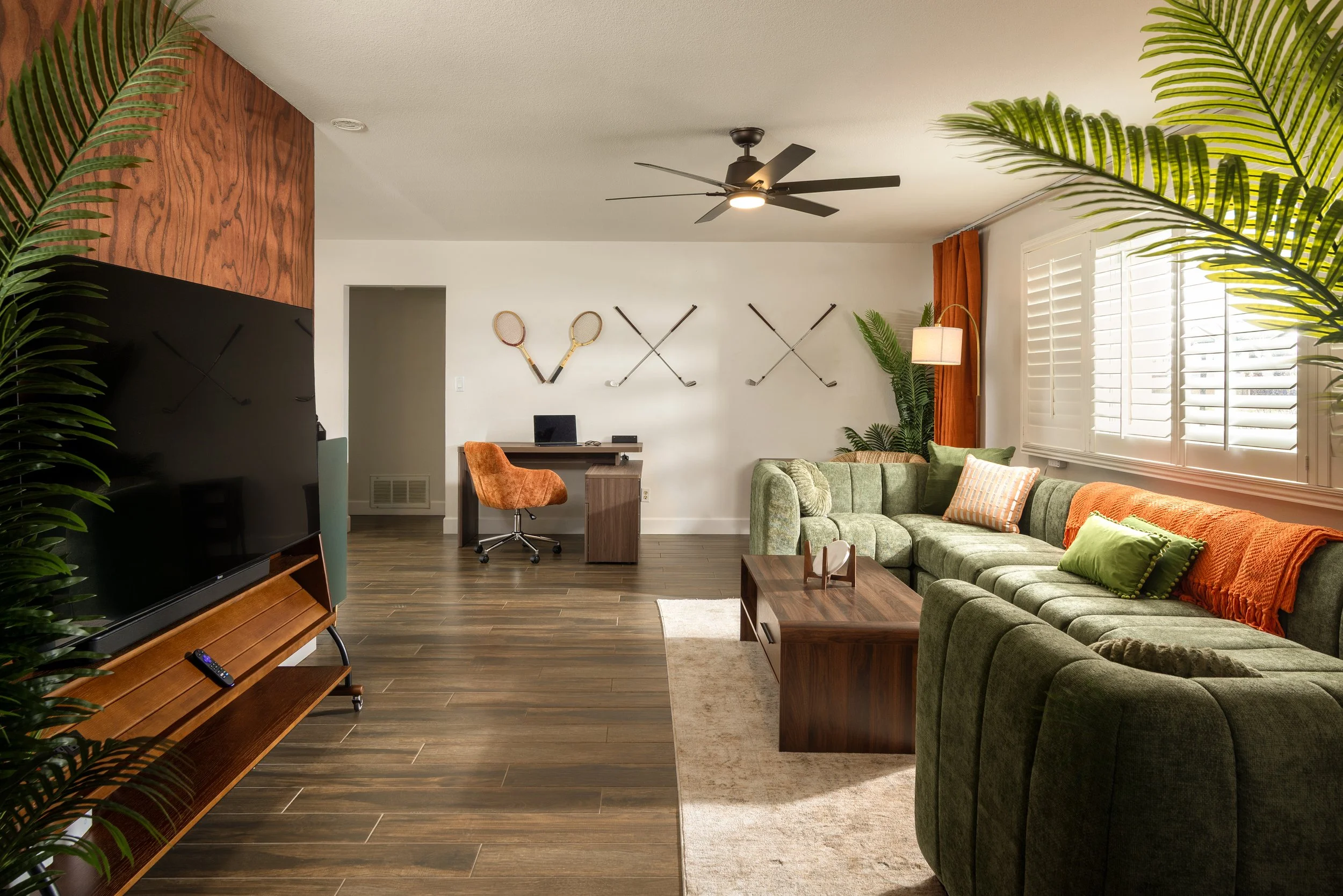
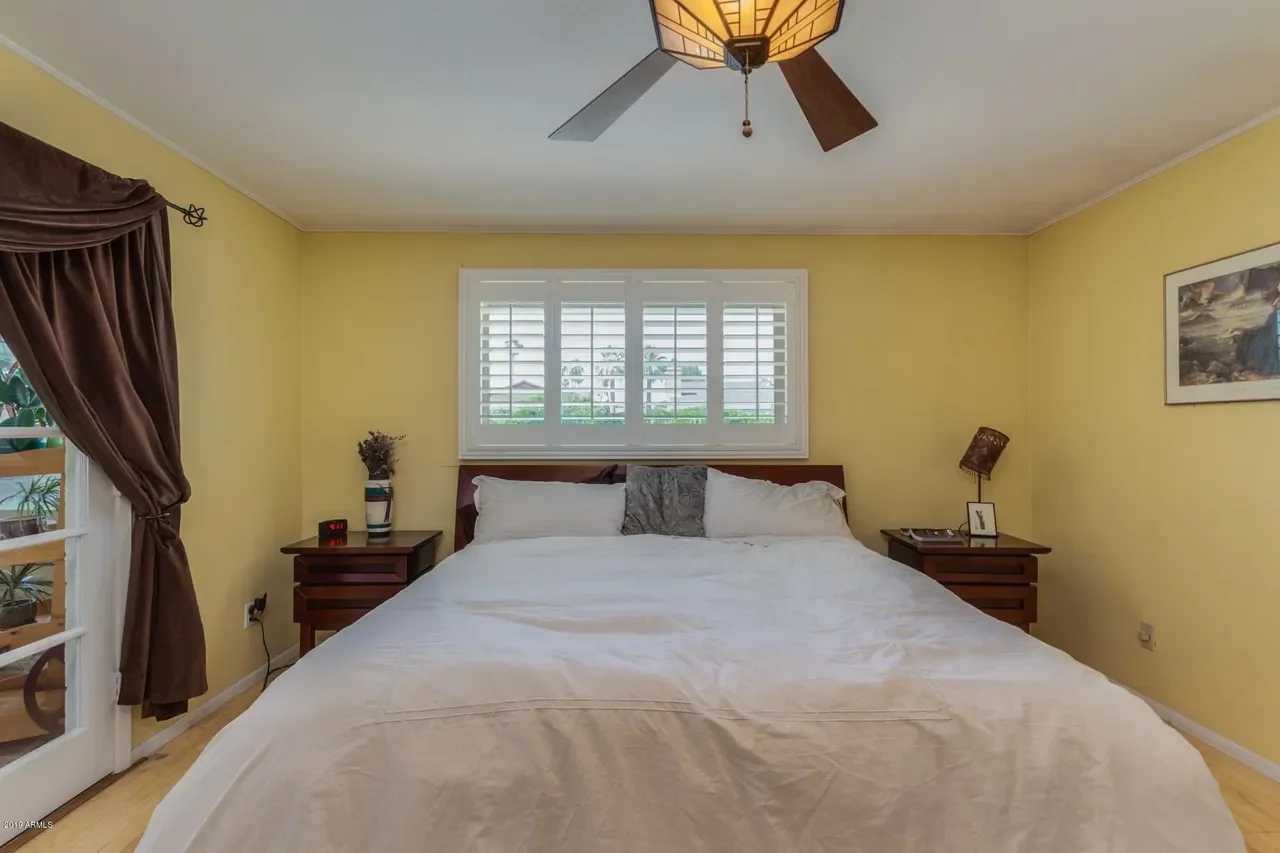
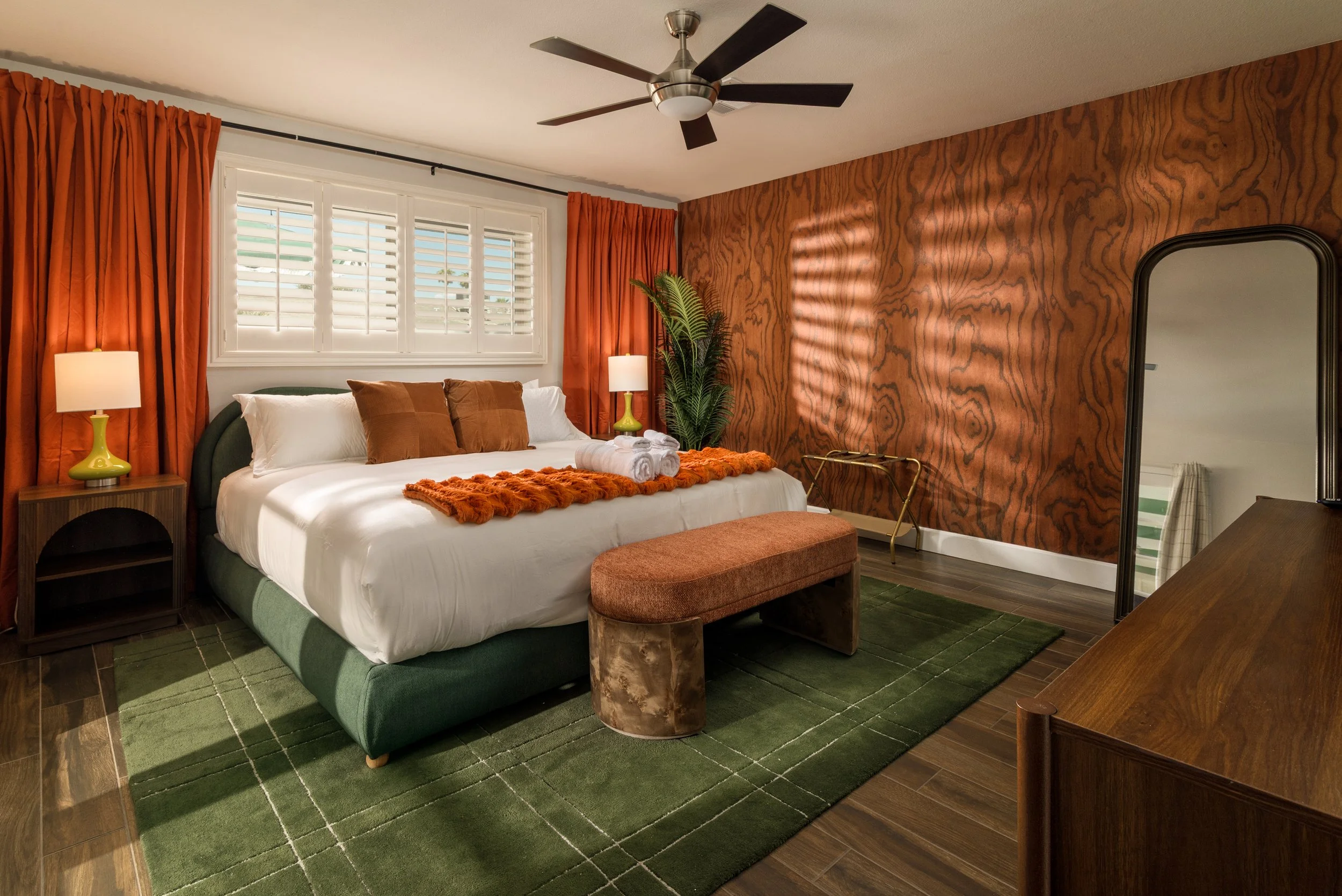
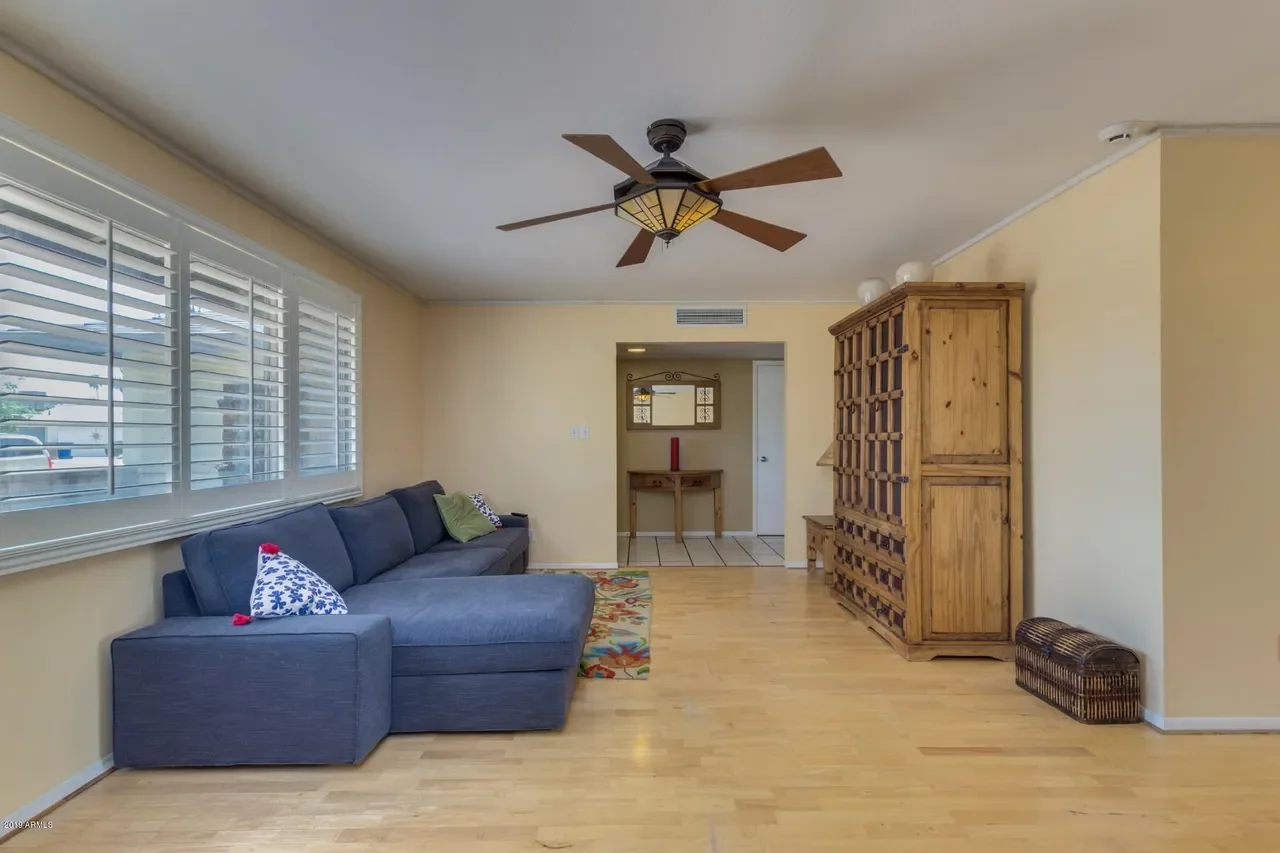
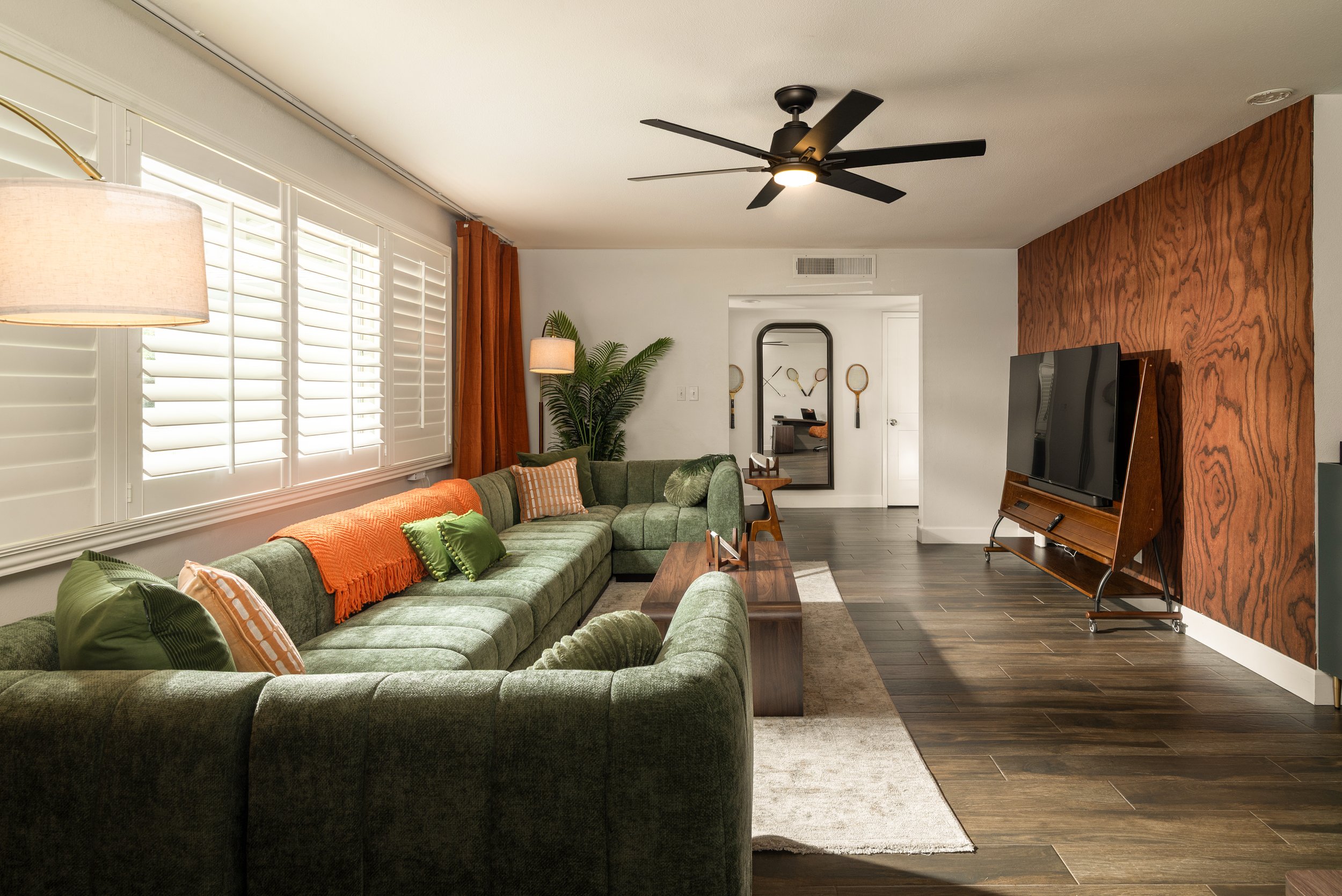
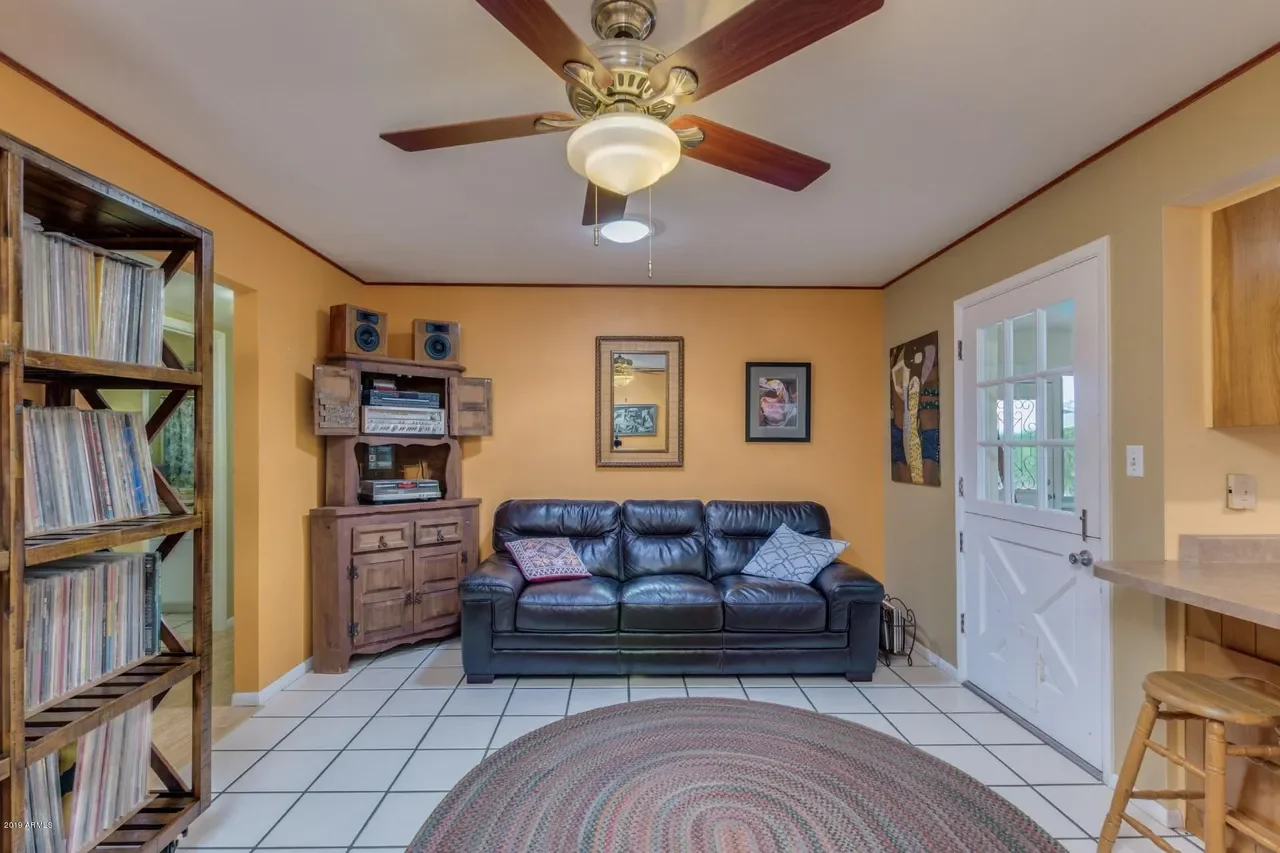
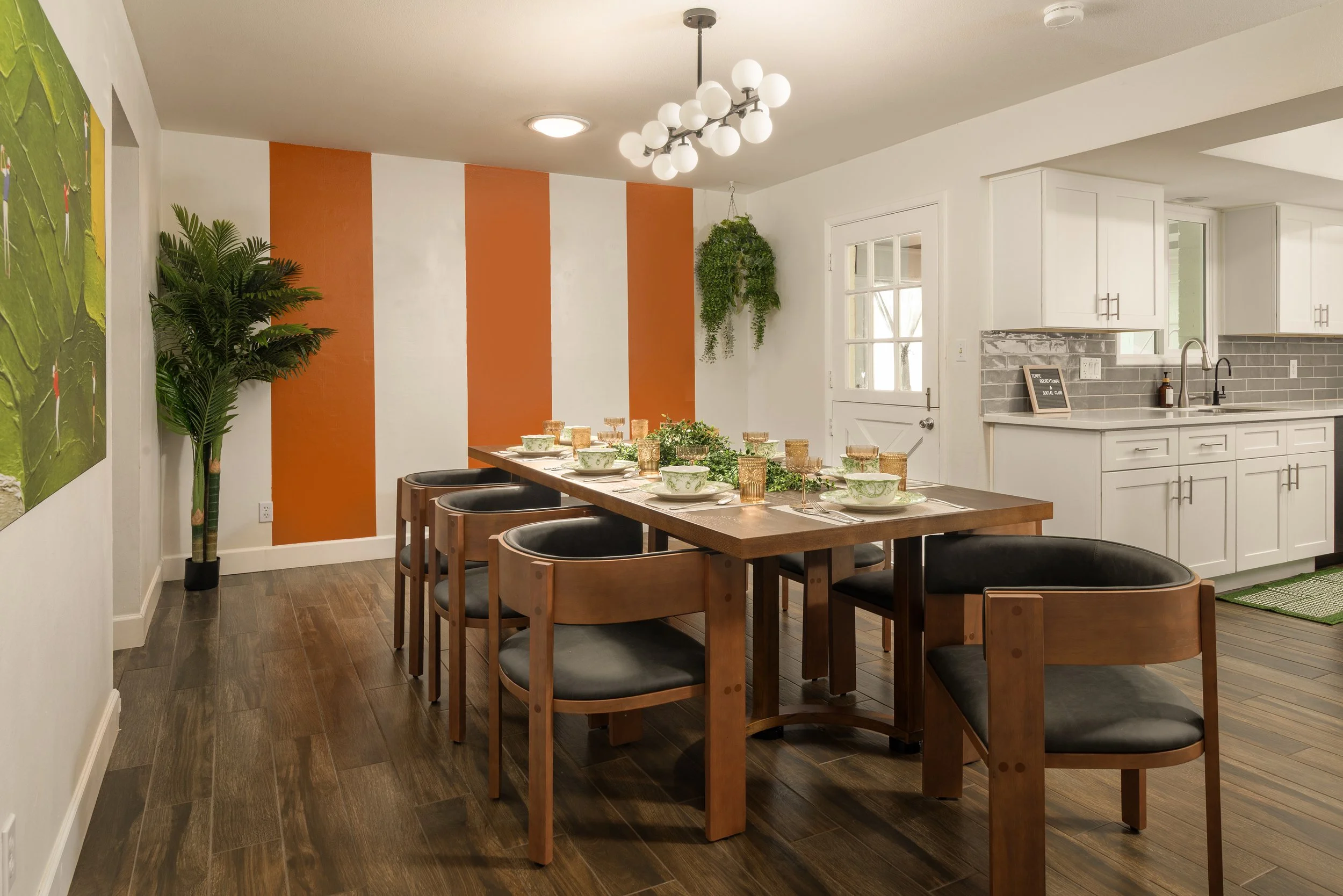
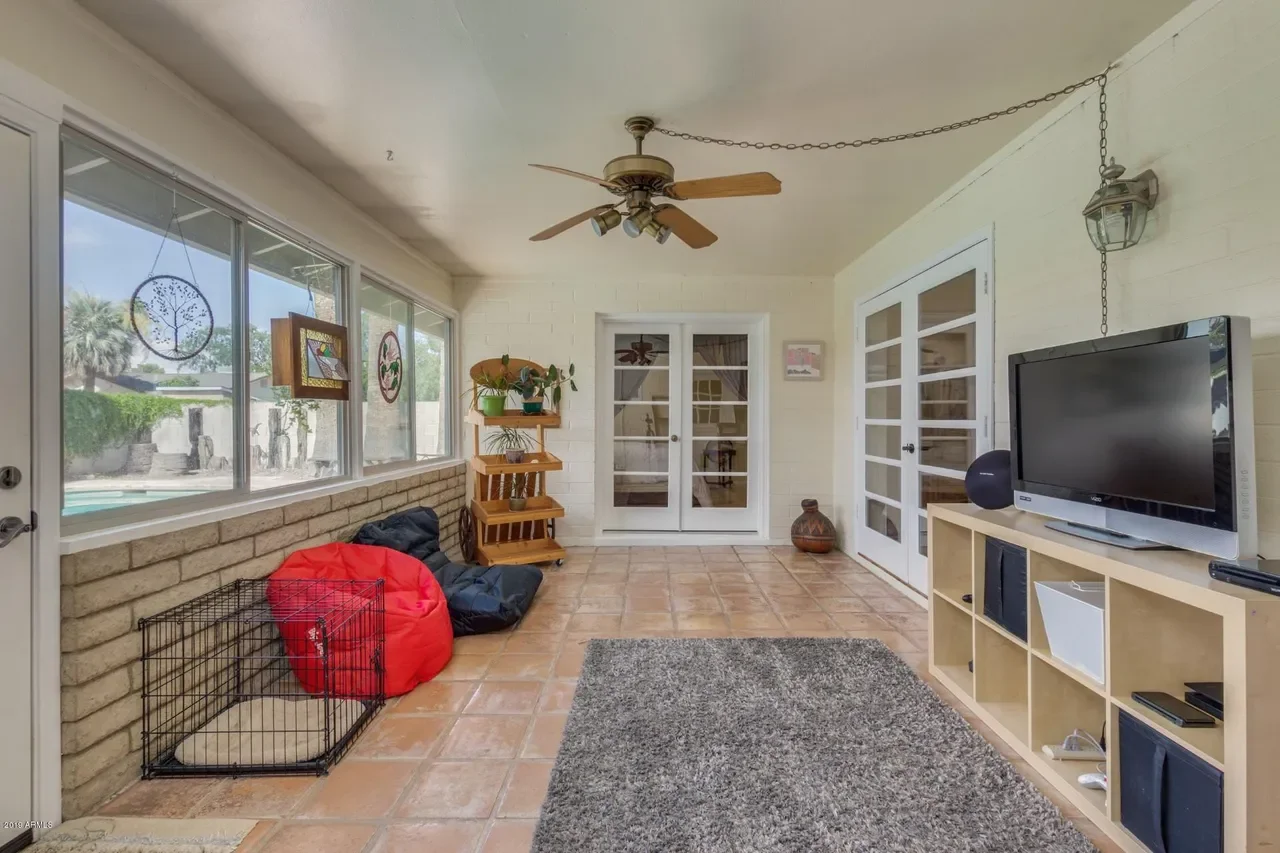
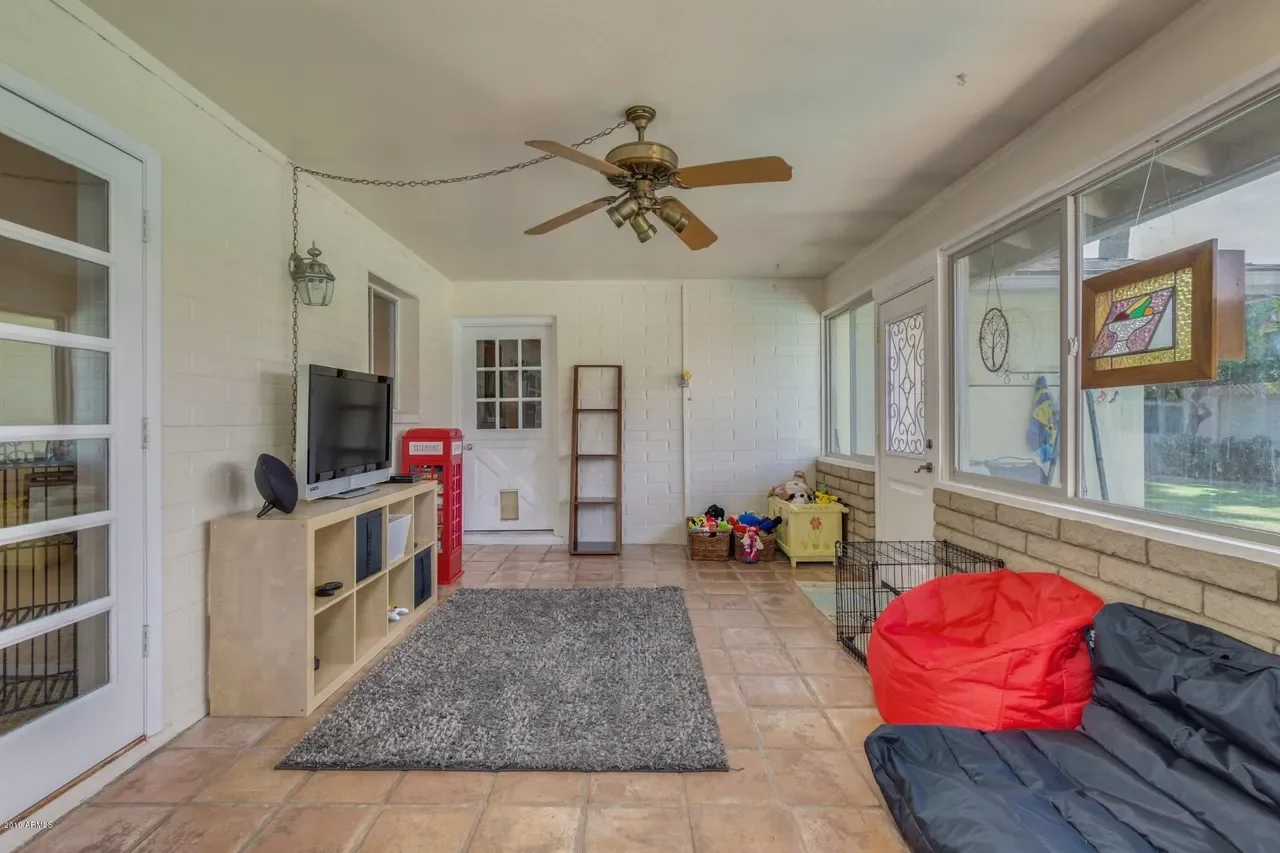
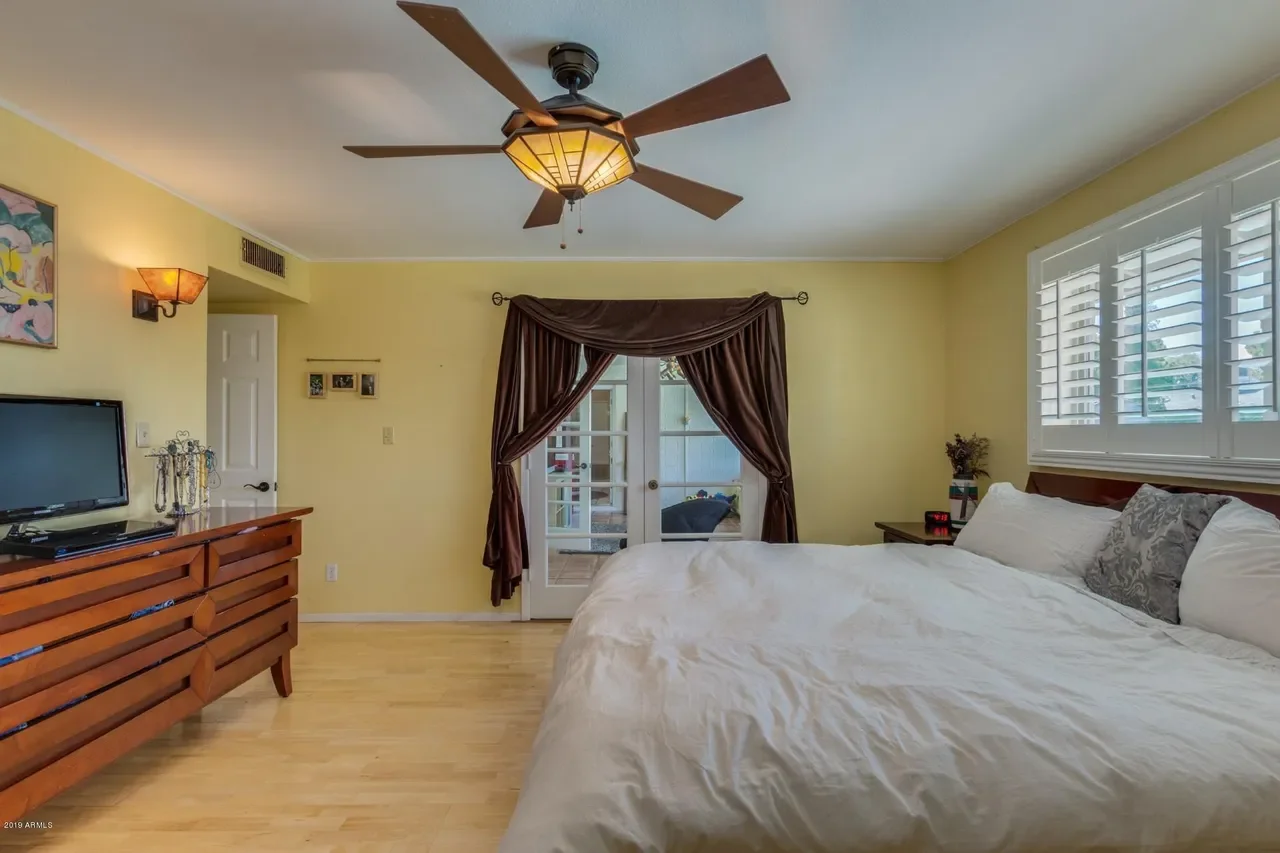
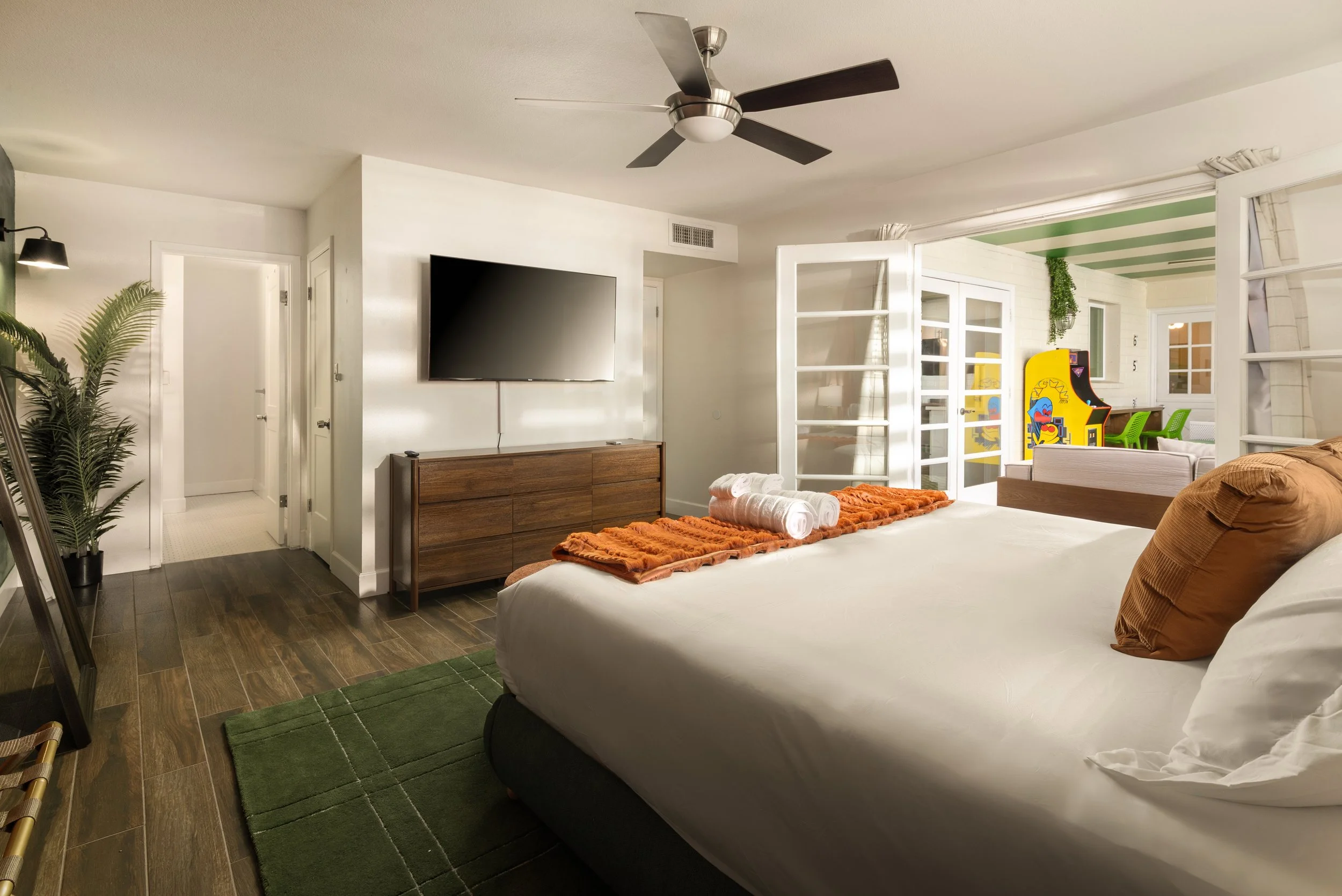
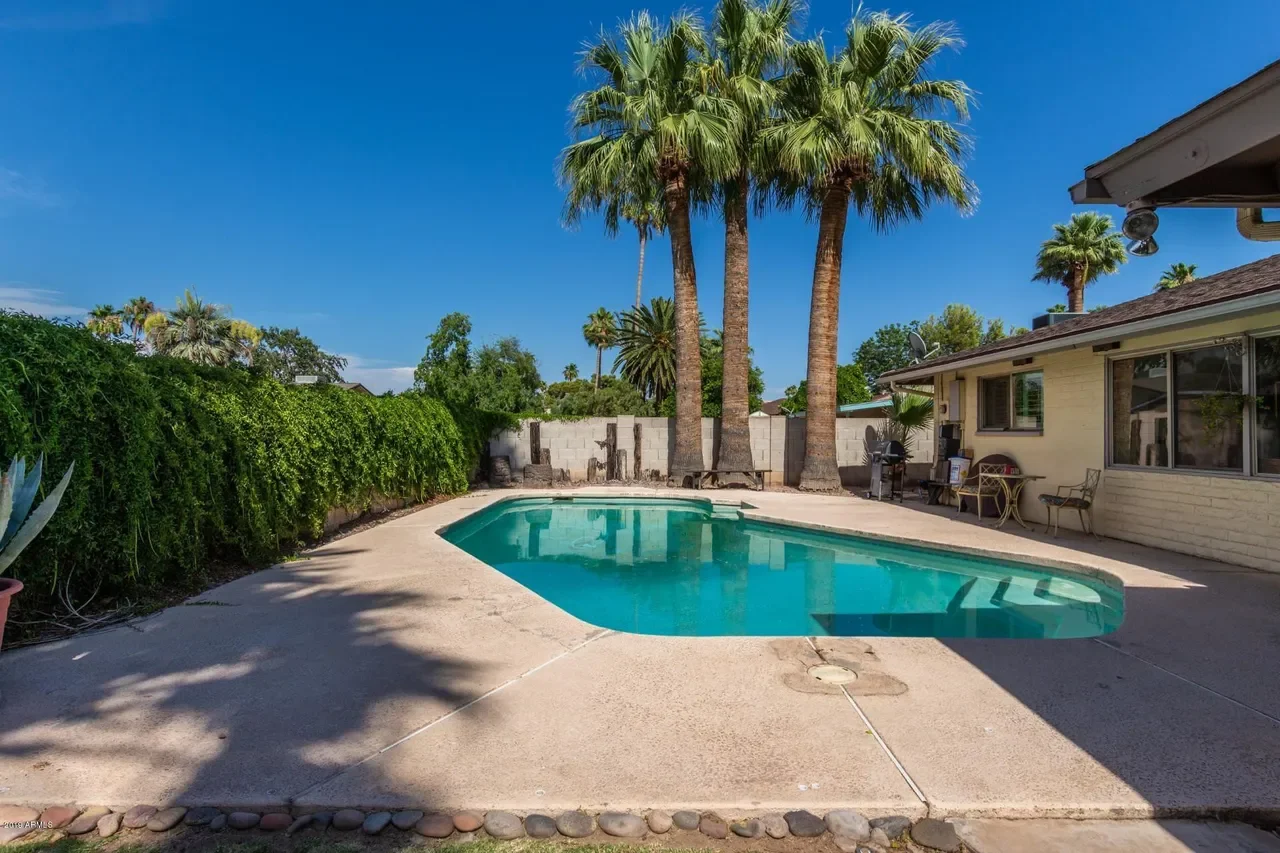
Before the Photography: The Transformation
-
Before
-
After
-
-
-
-
-
-
-
-
-
-
-
-
-
-
The transformation wasn't created through photography alone.
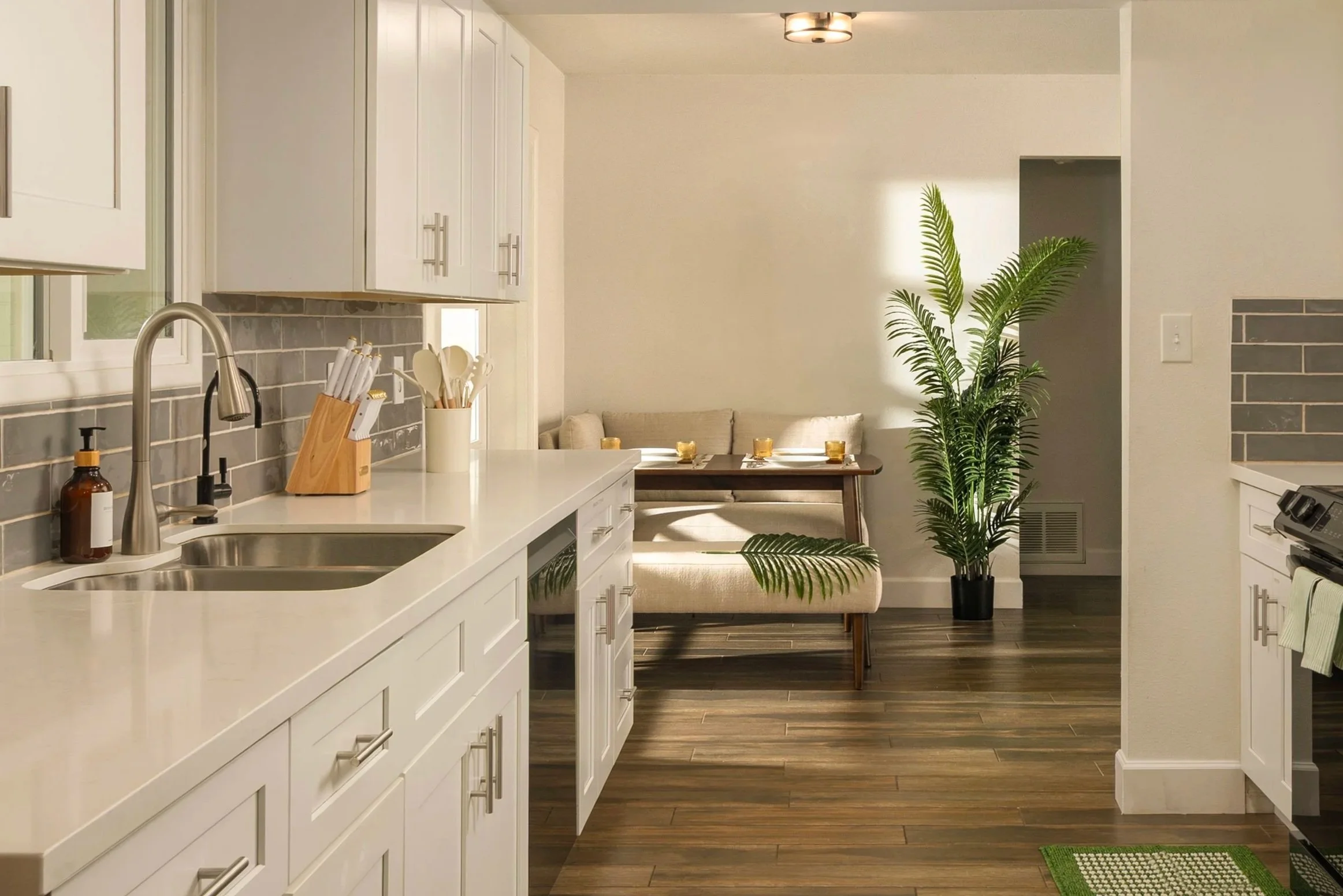
The host invested heavily in furnishings and decor that gave the older home a completely different personality. 1970s-inspired faux wood paneling, colorful furnishings, vintage-influenced pieces, game-room amenities, and purpose-built seating arrangements helped turn spaces that might otherwise have felt ordinary into distinct guest environments. Photography then had to reinforce those decisions.
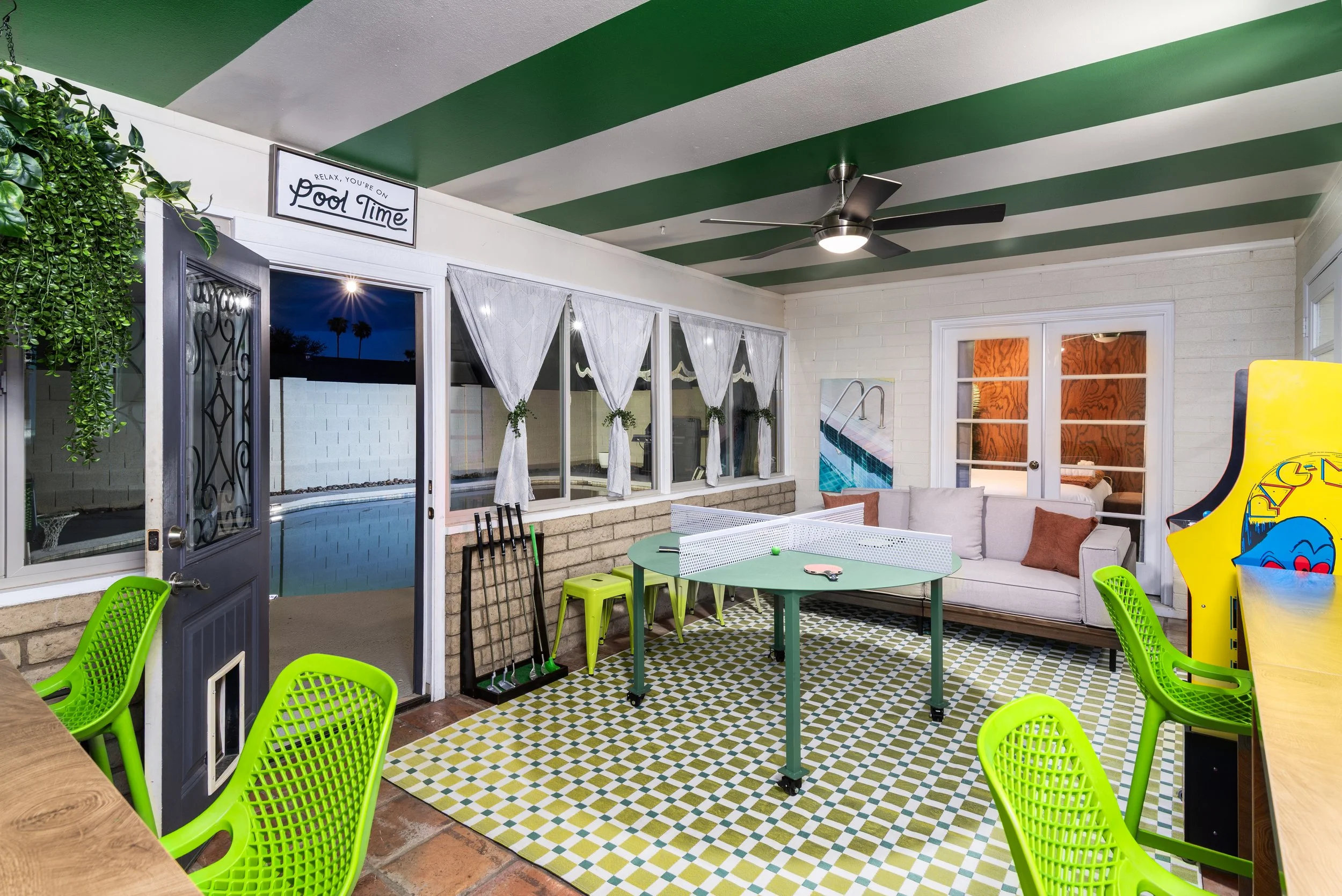
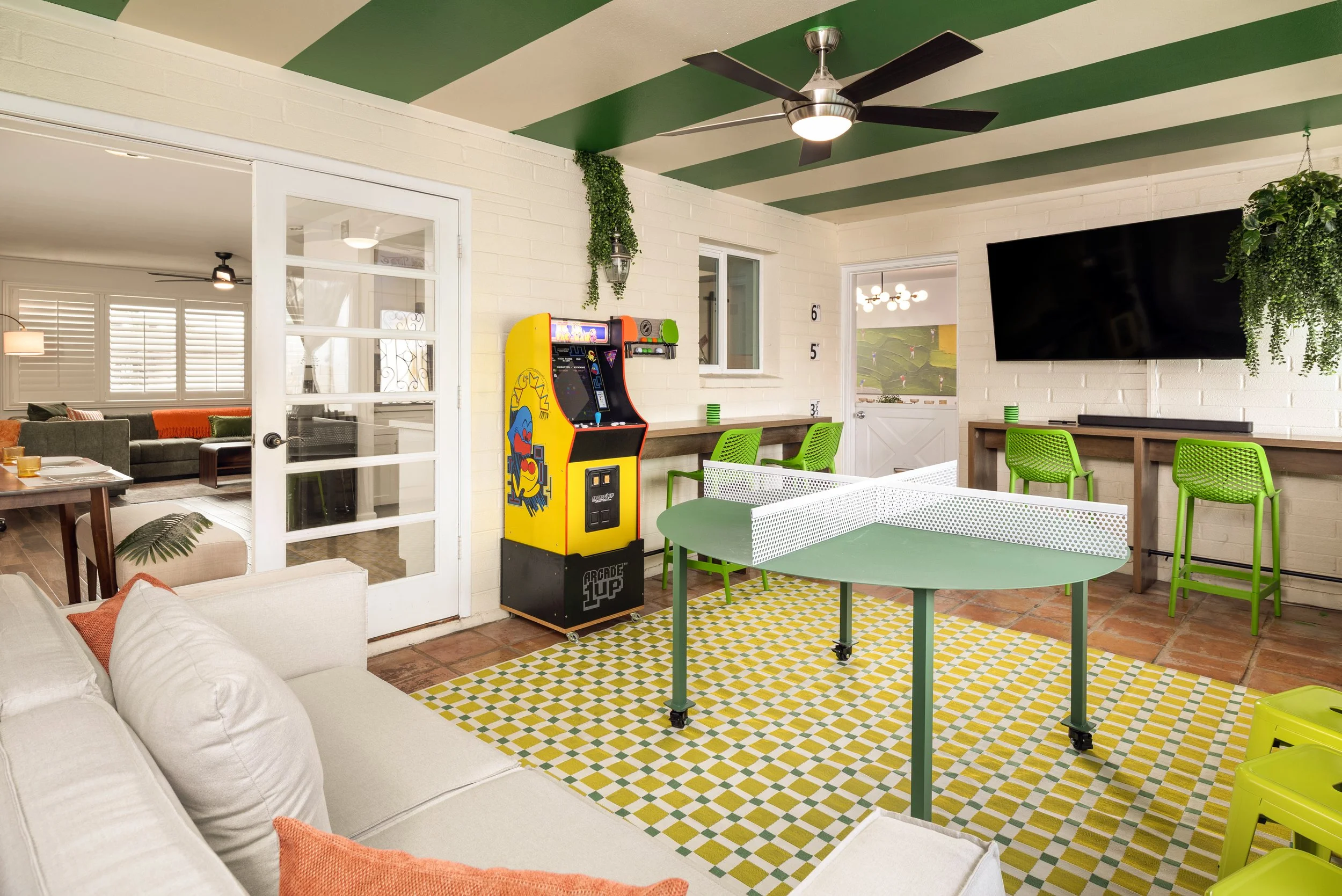
A breakfast nook was created where the original layout didn't naturally provide one. A reading area was defined behind the primary seating area. An additional living space became a more formal dining environment. The Arizona room became a dedicated game-room hangout.
The finished photography needed to make those spaces feel intentional.
Translating a Mood Board Into Photography
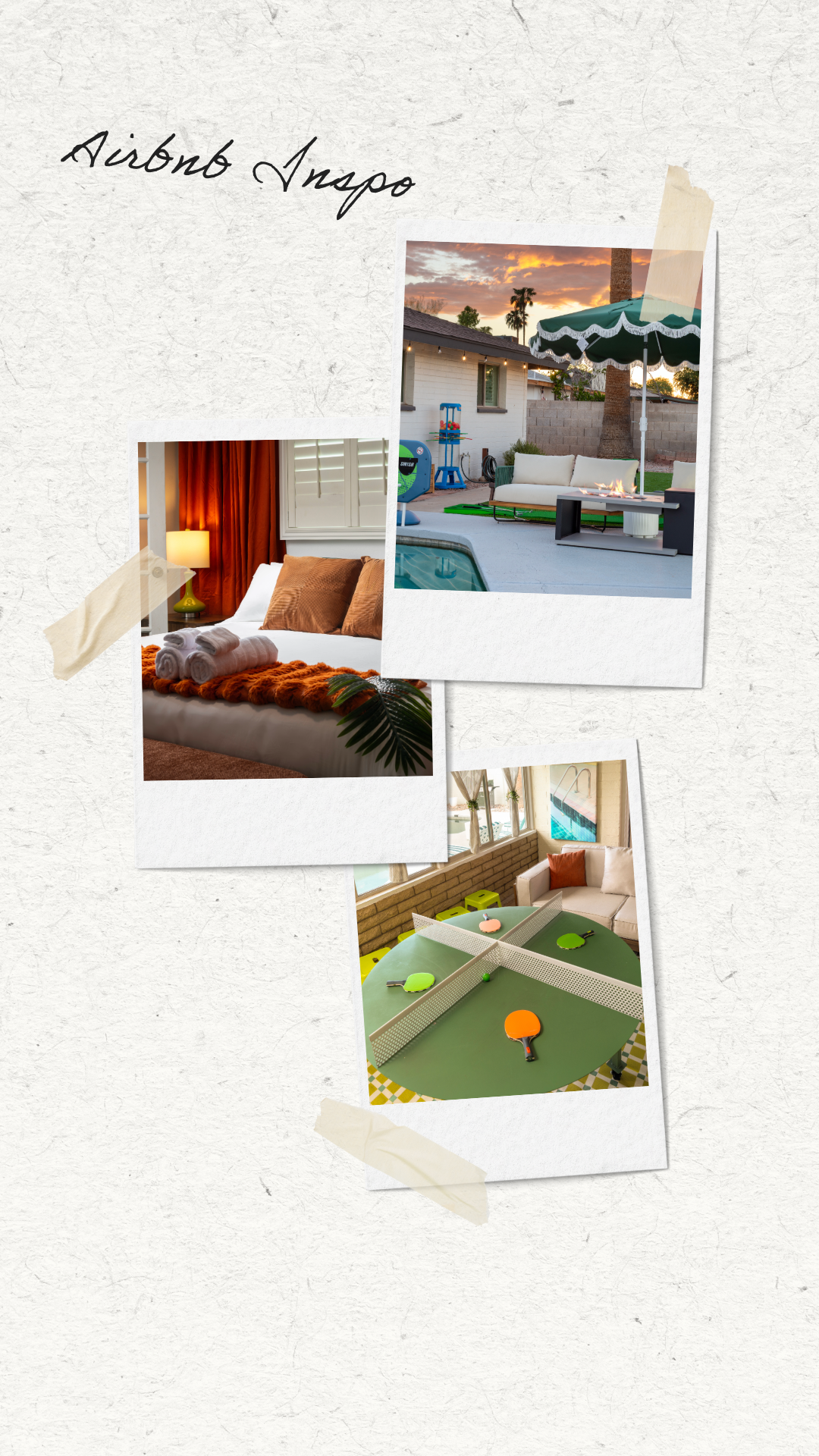
This changed the way many of the detail photographs were approached:
Rather than photographing objects individually, compositions were built around small moments that suggested what staying at the property might actually feel like.
But the most important instruction was simpler:
The property should feel lived in.
That meant an amenity couldn't always be photographed sitting perfectly in place.
The game table needed to look like a game was happening.
The dining table needed to feel like people had been gathered around it.
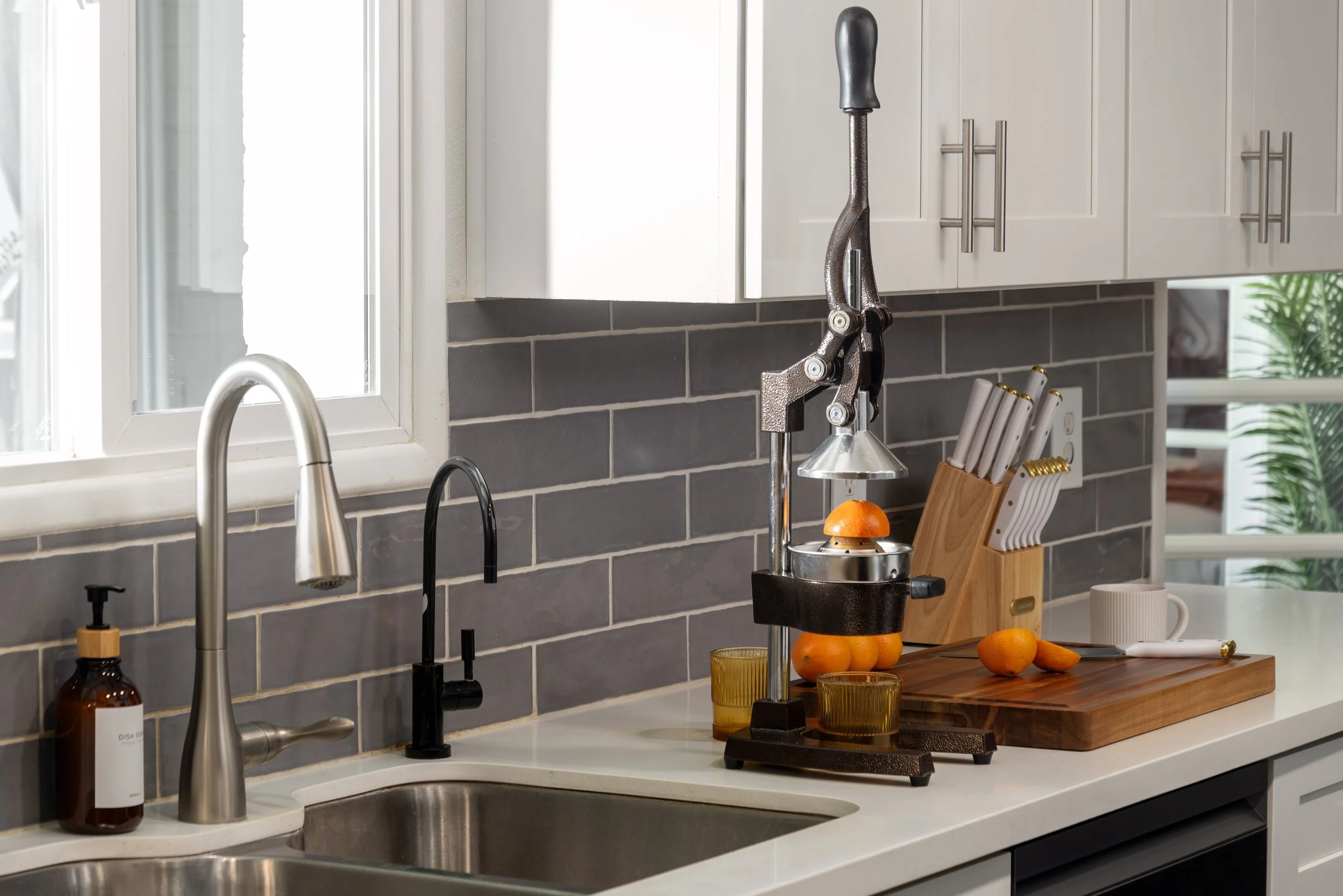
The coffee station needed to suggest use.
The pool area needed to feel like guests were actually enjoying it.
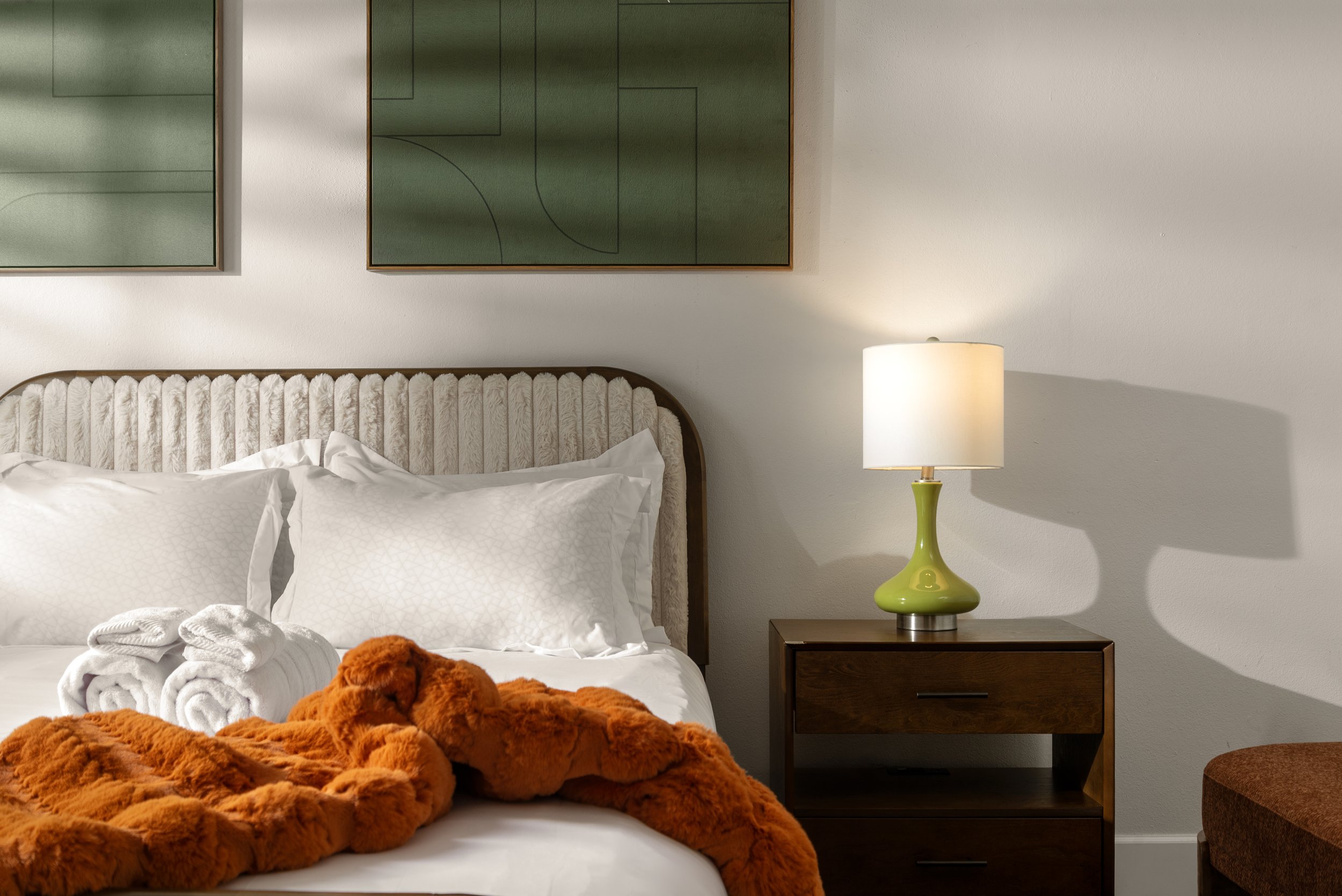
The bedrooms needed personality beyond a bed, nightstand, and lamp.
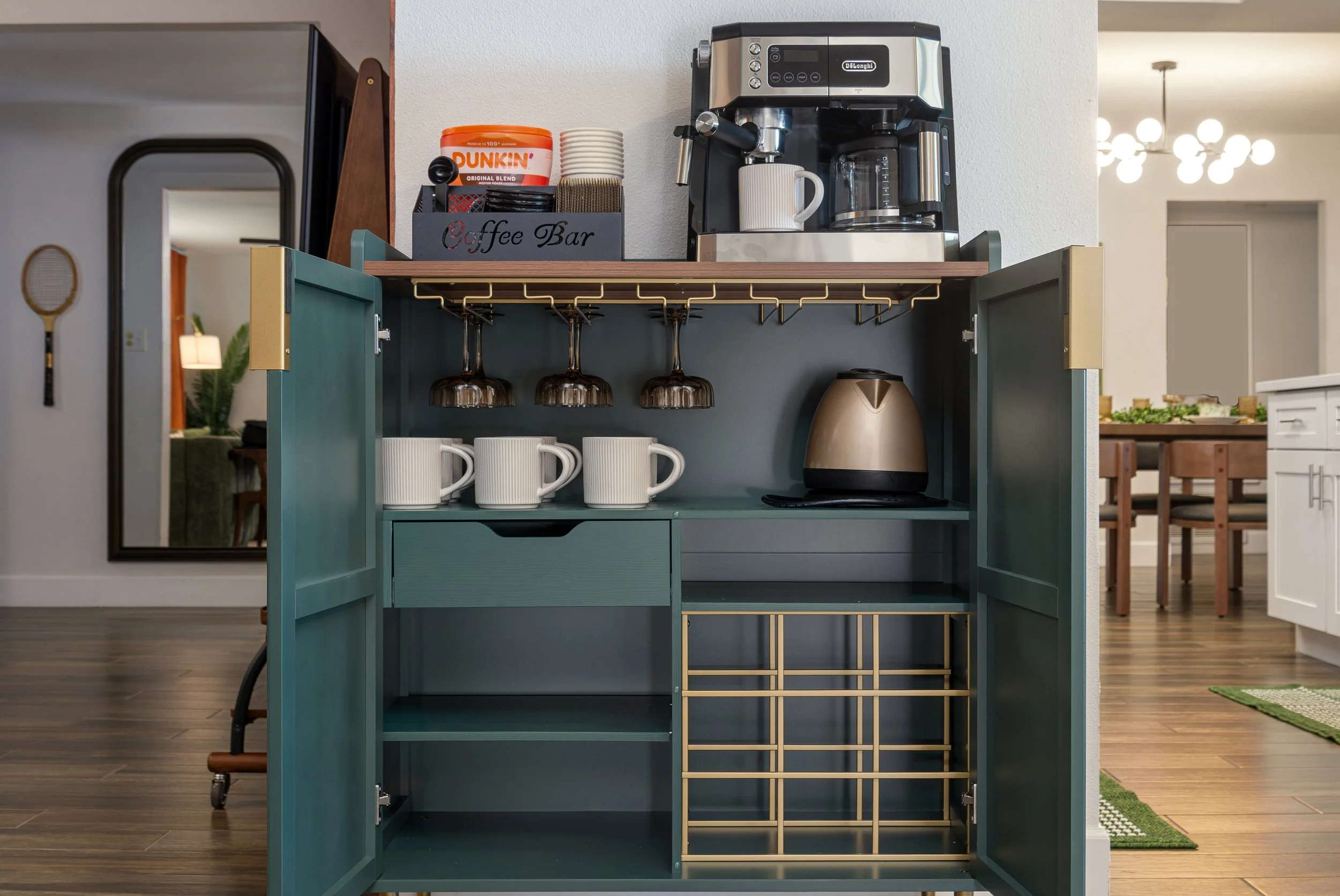
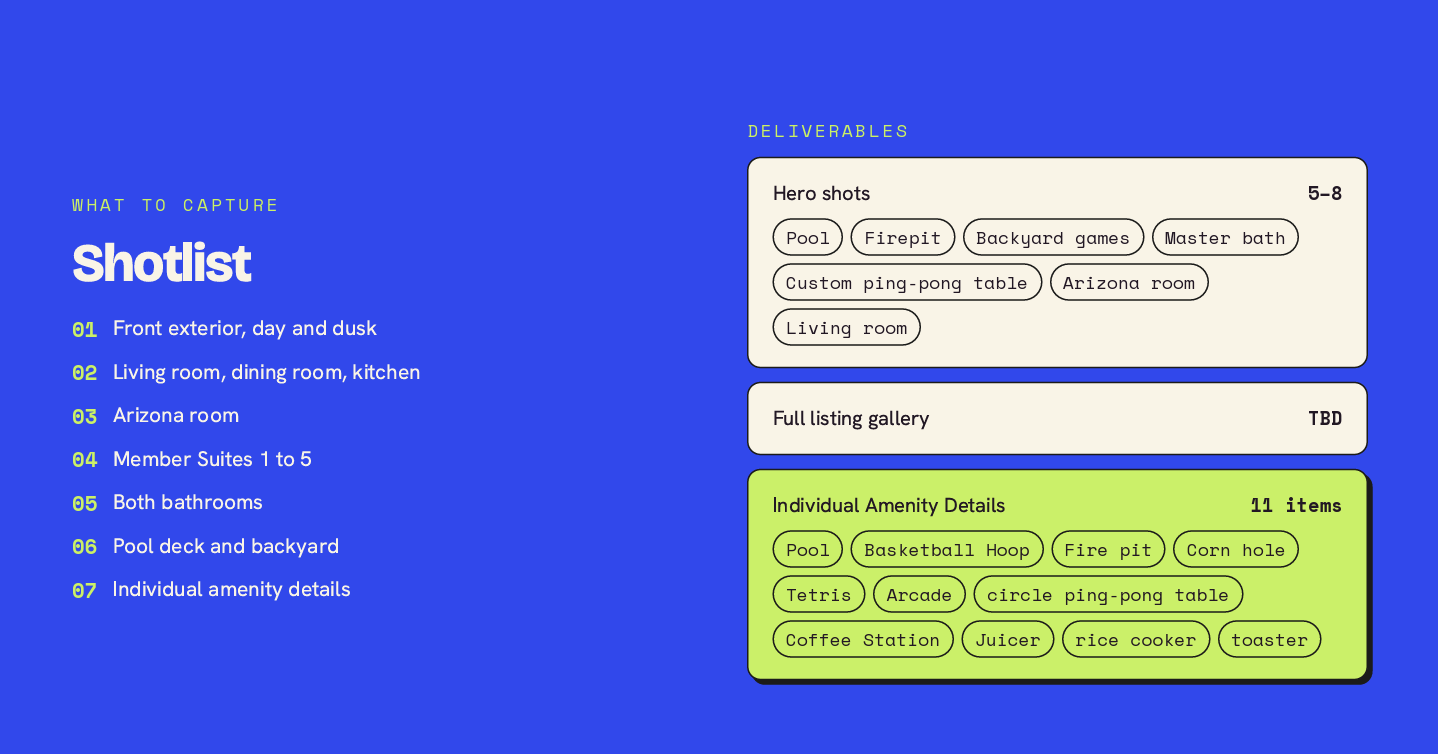
The host had a fully-curated and detailed mood board that guided not only his decor choices and staging but also the photographic art direction.
It covered everything from the arrival experience and front facade to individual bedrooms, the pool deck, yard games, bathrooms, coffee equipment, and specific amenity details.
Using Light to Create the Atmosphere
This project pushed the photography into a more intentionally cinematic direction.
The property's design called for warmth and atmosphere, but simply increasing the warmth or darkening the exposure would not have produced the desired result.
Light needed to be shaped within the rooms.
That meant using a combination of strobe lighting, controlled direct flash, supplemental tungsten light, strategically placed shadows, and shaped light coming through windows.
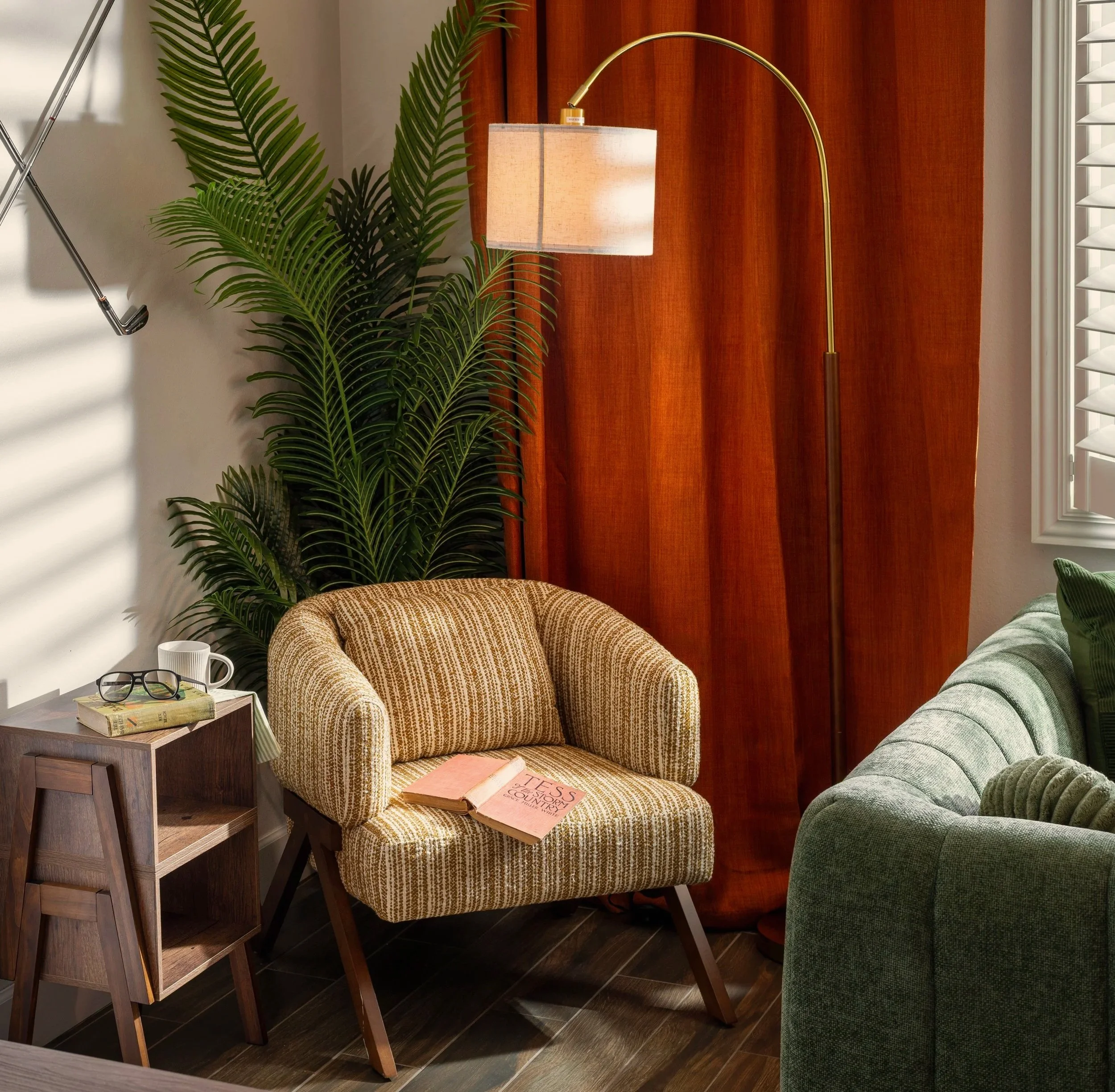
Creating a Late-Afternoon Reading Nook
One of the smaller scenes became one of the clearest examples of the approach.
A comfortable chair was positioned as a place where a guest might sit and read. An open book, glasses, coffee cup, and napkin created the suggestion that someone had recently stepped away.
Then the lighting was shaped to reinforce the story.
Light was projected through the blinds toward the chair and table to simulate late-afternoon sunlight. Warmth was added to the strobe light to complement the existing environment.
The result wasn't intended to show off a lighting technique. It was intended to make the viewer think:
That looks like a nice place to spend an afternoon.
That distinction shaped many of the detail photographs throughout the property.
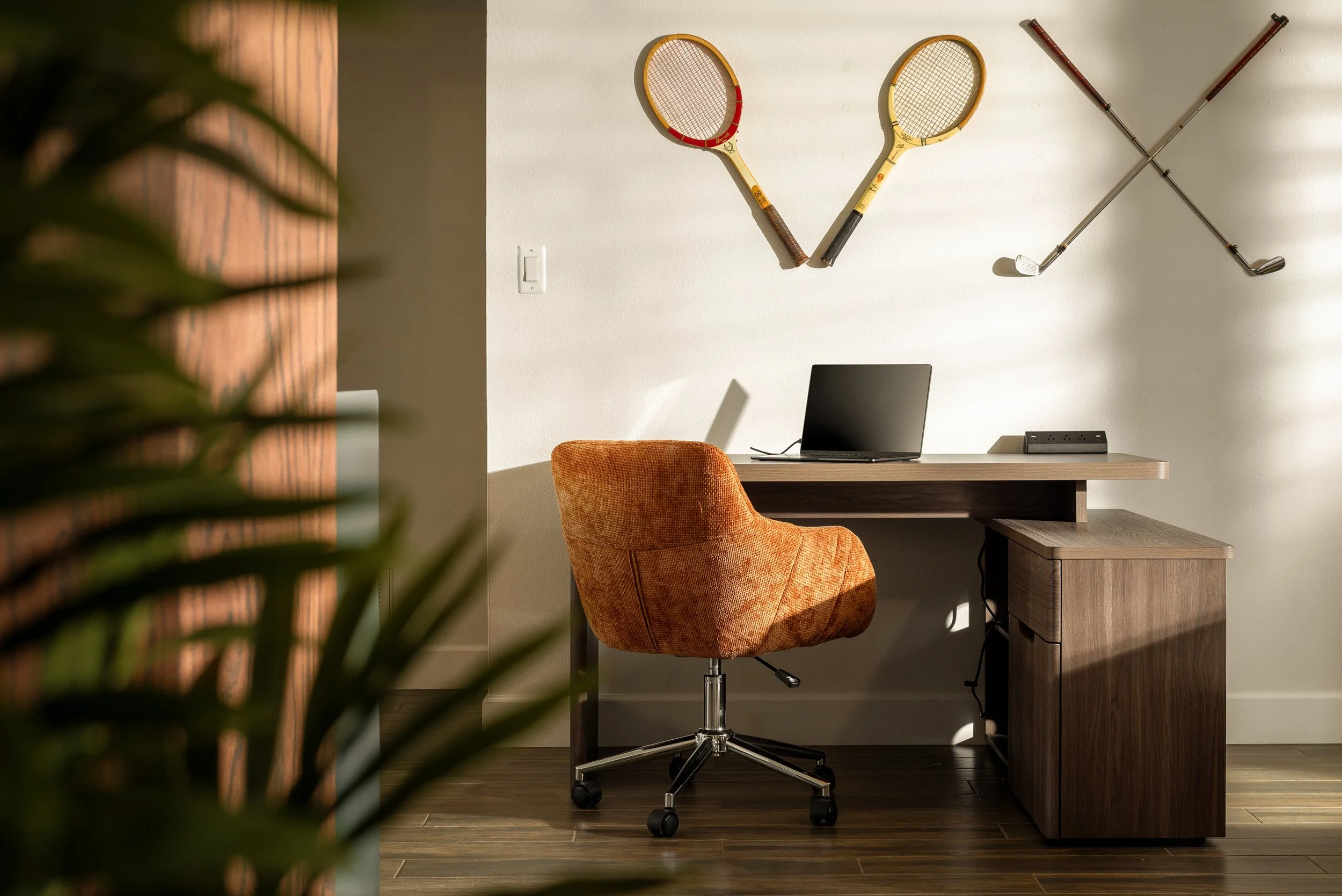
In some scenes, strobes were positioned outside windows to create the appearance of low-angle afternoon or morning sunlight entering the room.
In others, light was deliberately blocked or shaped to create shadows and establish more depth.
Palm fronds and other available materials were even used as natural-looking gobos to shape the light and introduce shadow patterns.
The goal wasn't to make the lighting technique visible.
The goal was to make the finished photograph feel natural enough that the viewer could believe the scene simply happened that way.
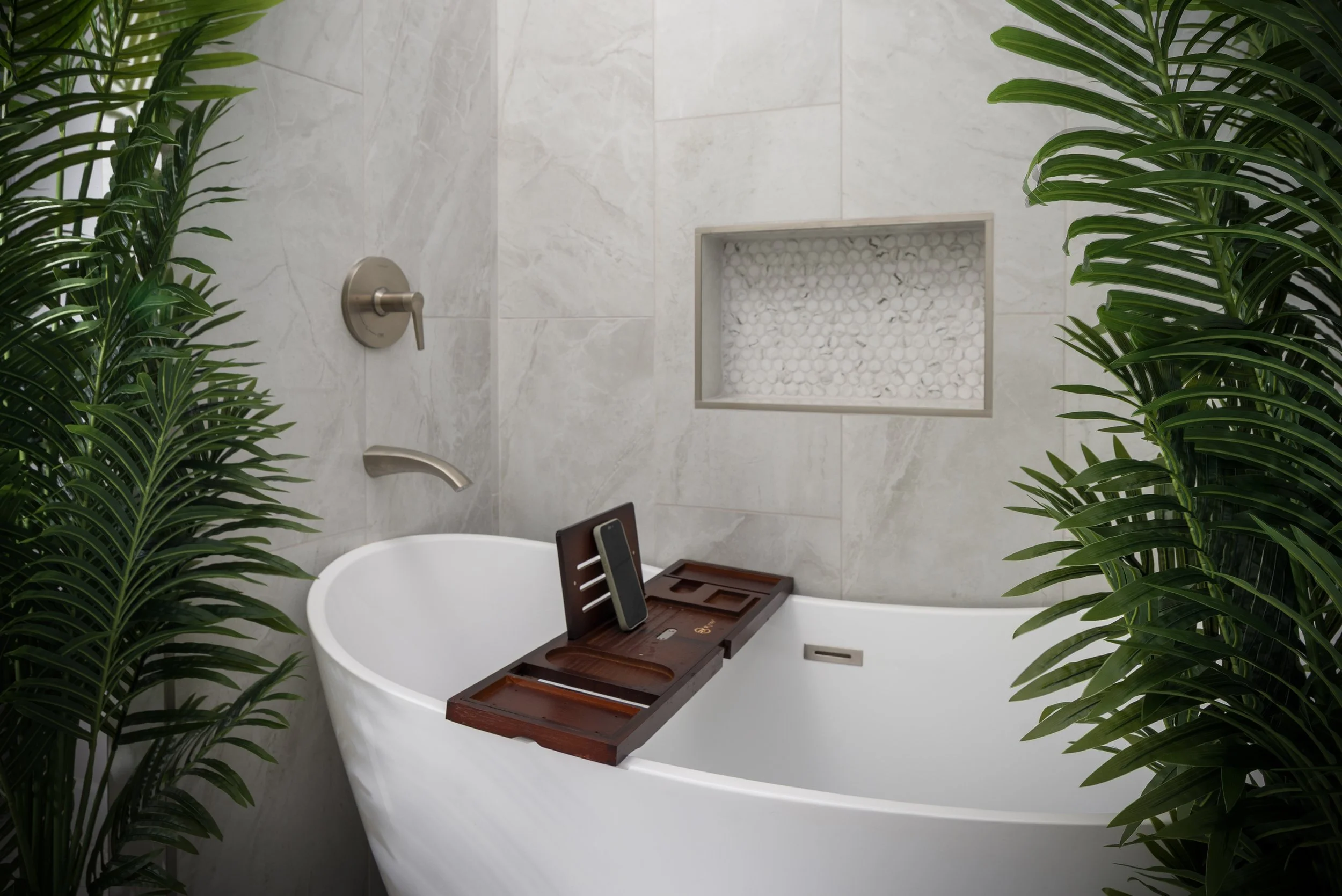
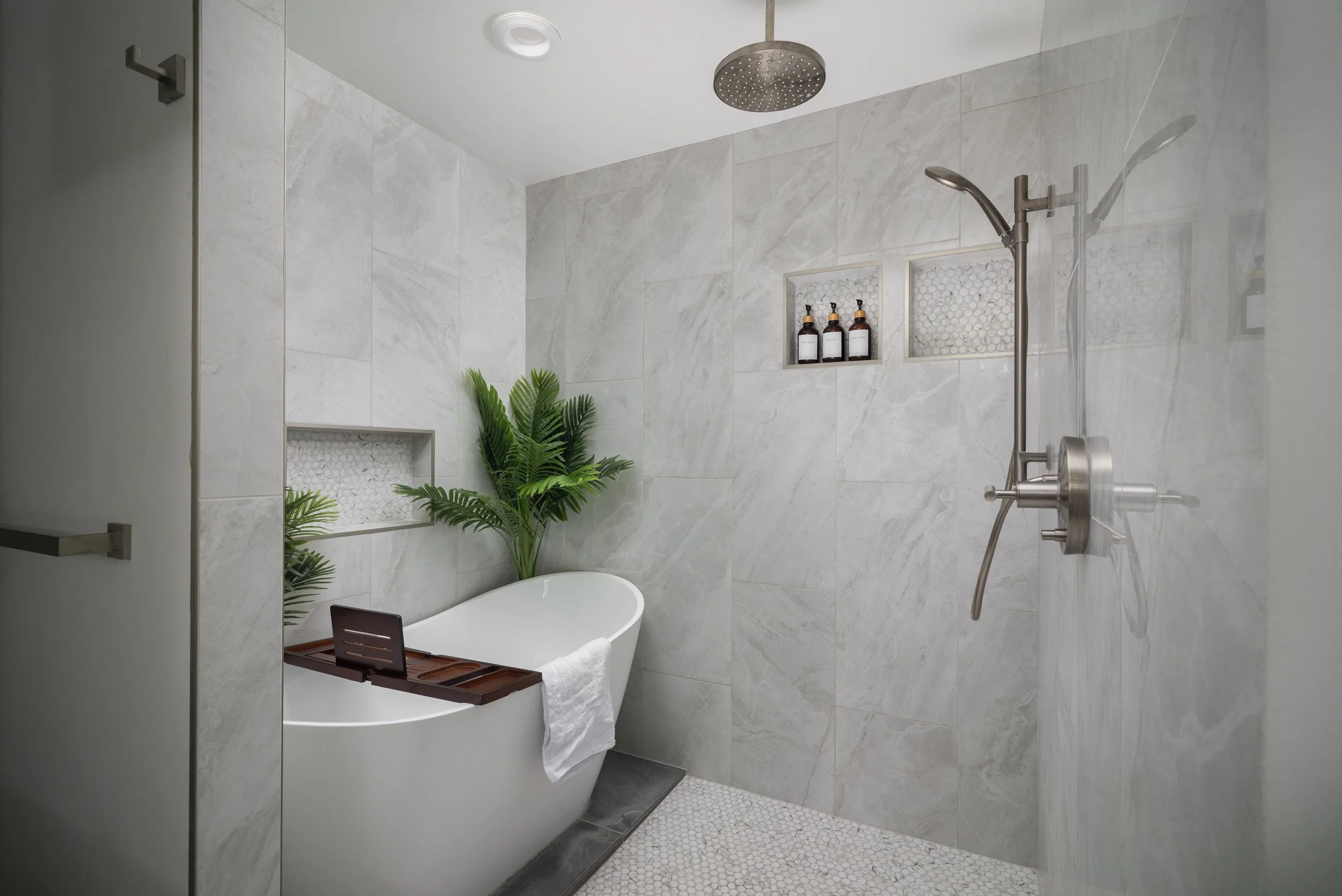
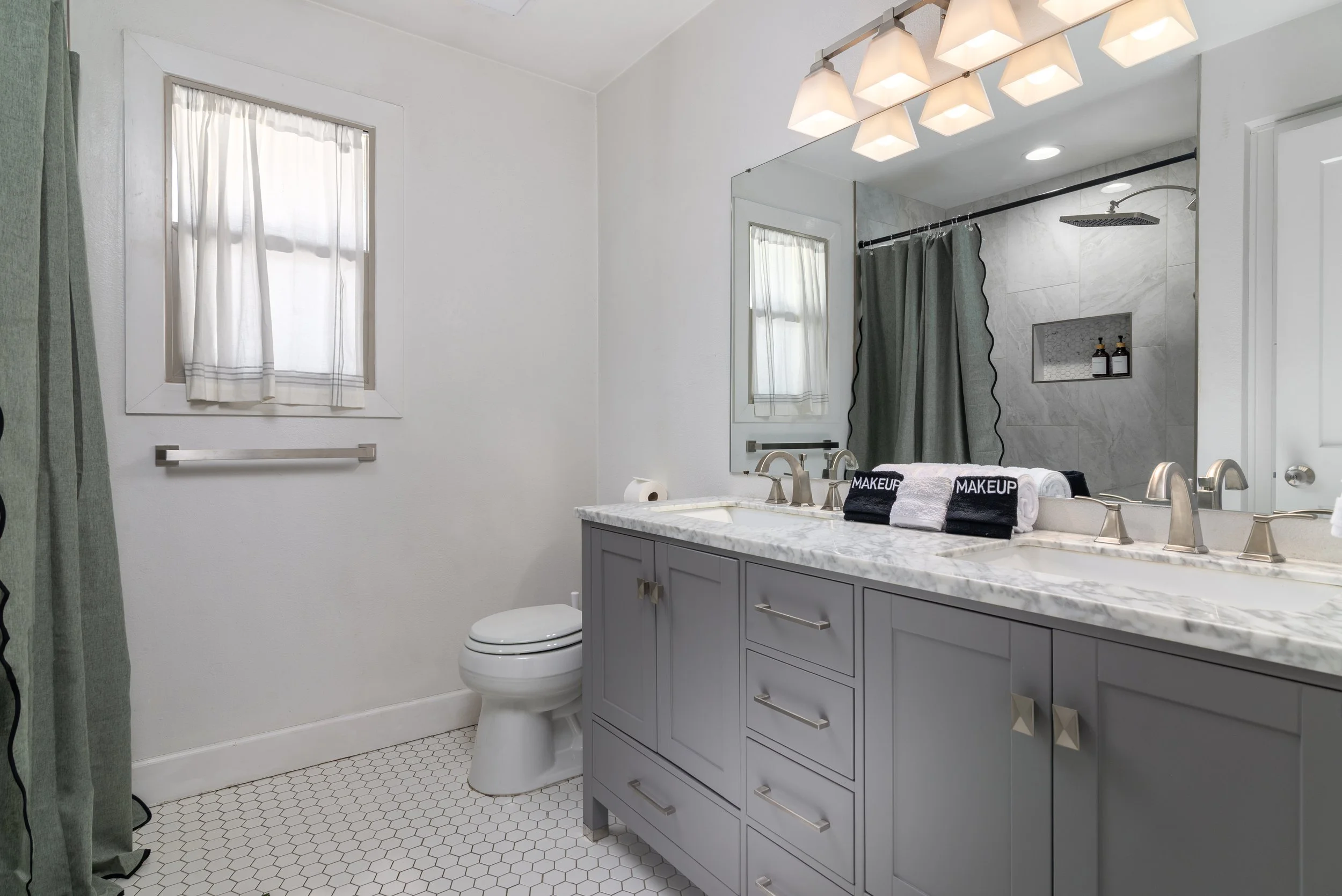
A Shower Scene That Shows the Experience
One of the bathroom details demonstrates this approach particularly well.
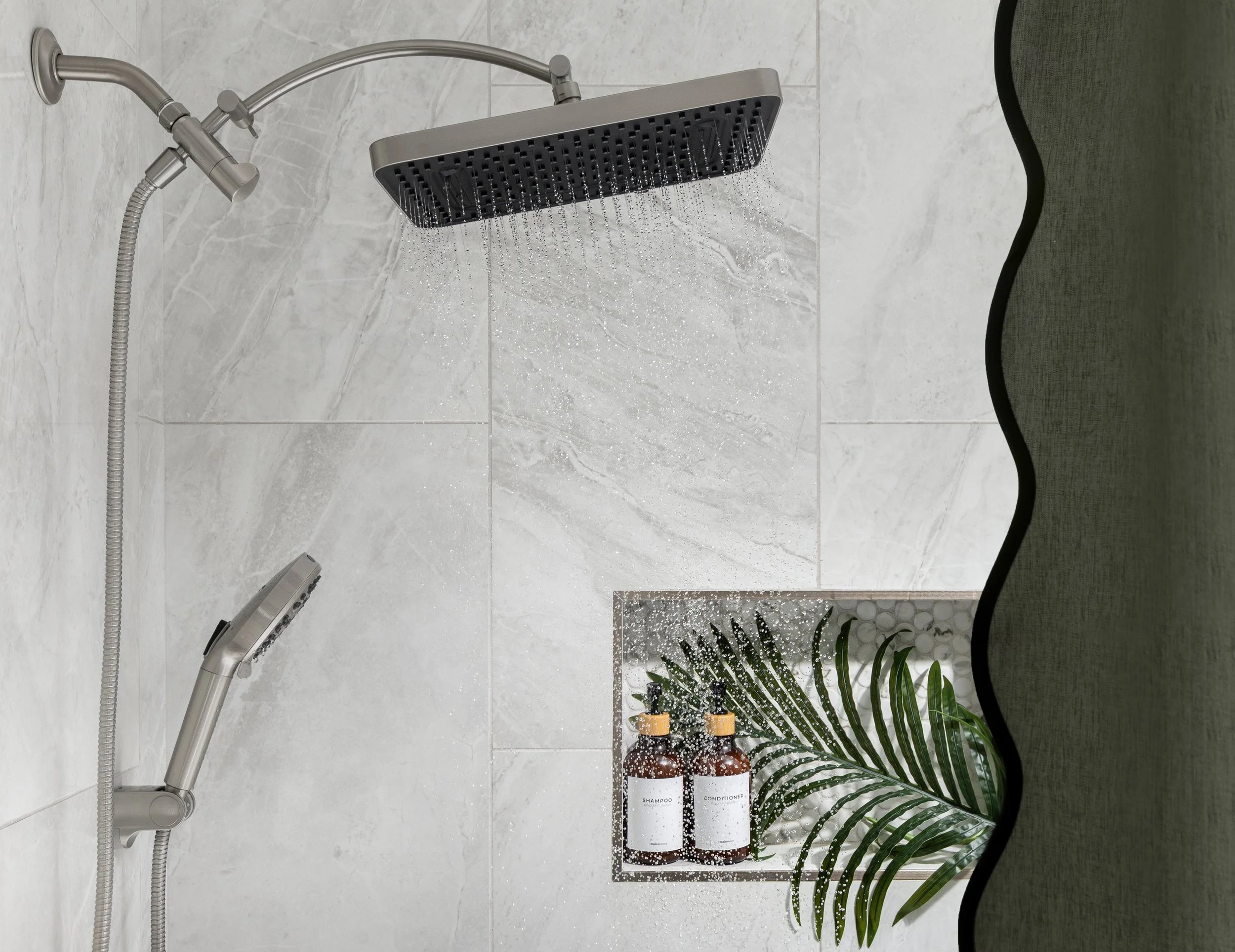
Rather than photographing the shower head as a product feature, the shower was turned on and photographed with shampoo and conditioner arranged nearby.
Palm fronds were used to introduce a lush, almost jungle-like frame around the scene.
The water falling from the shower head became part of the image.
The feature was still clearly visible, but the photograph communicated something more useful:
what it might actually feel like to use the shower.
That approach allowed amenities to become part of the visual story rather than interrupting it.
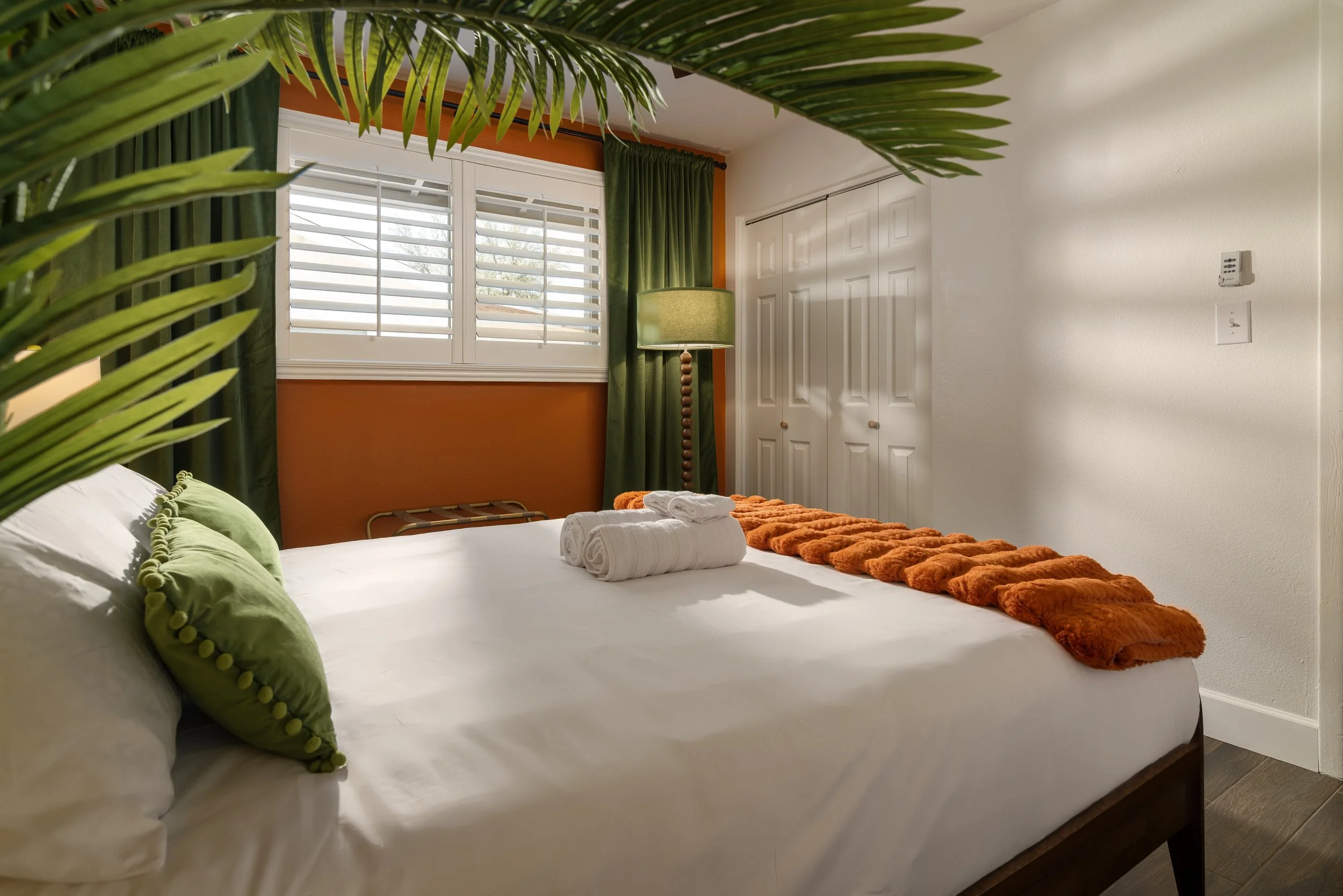
Five Bedrooms, Five Different Experiences
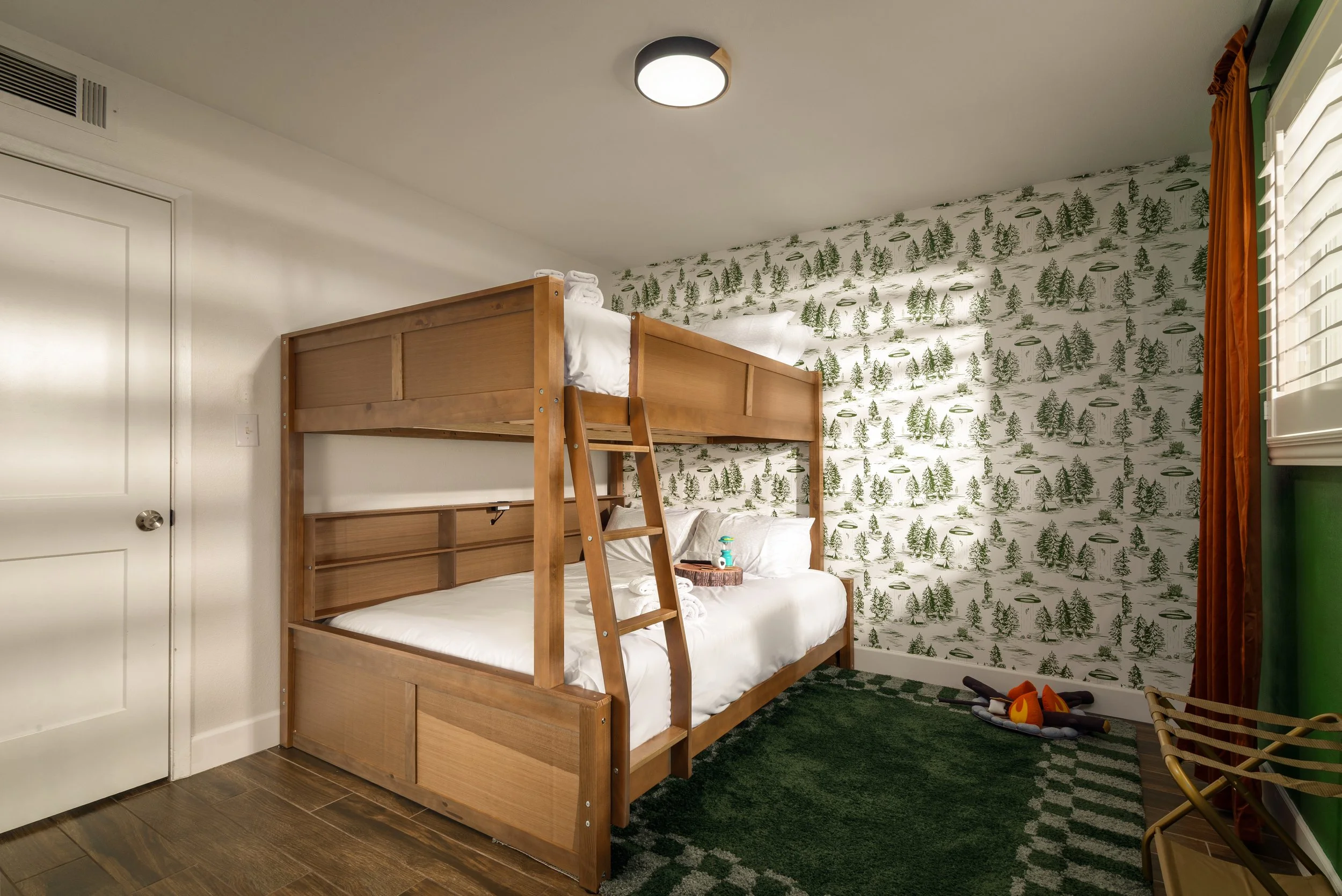
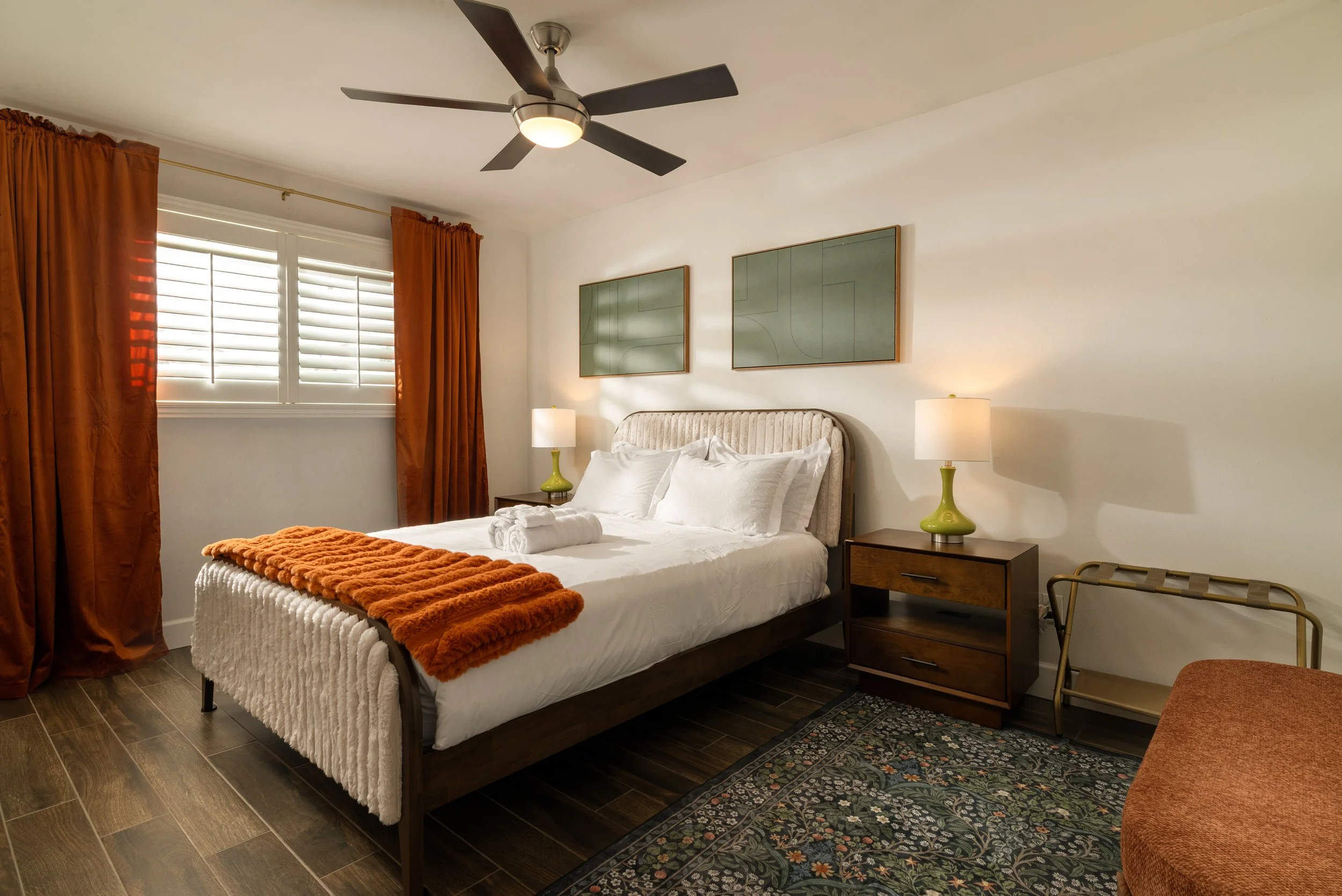
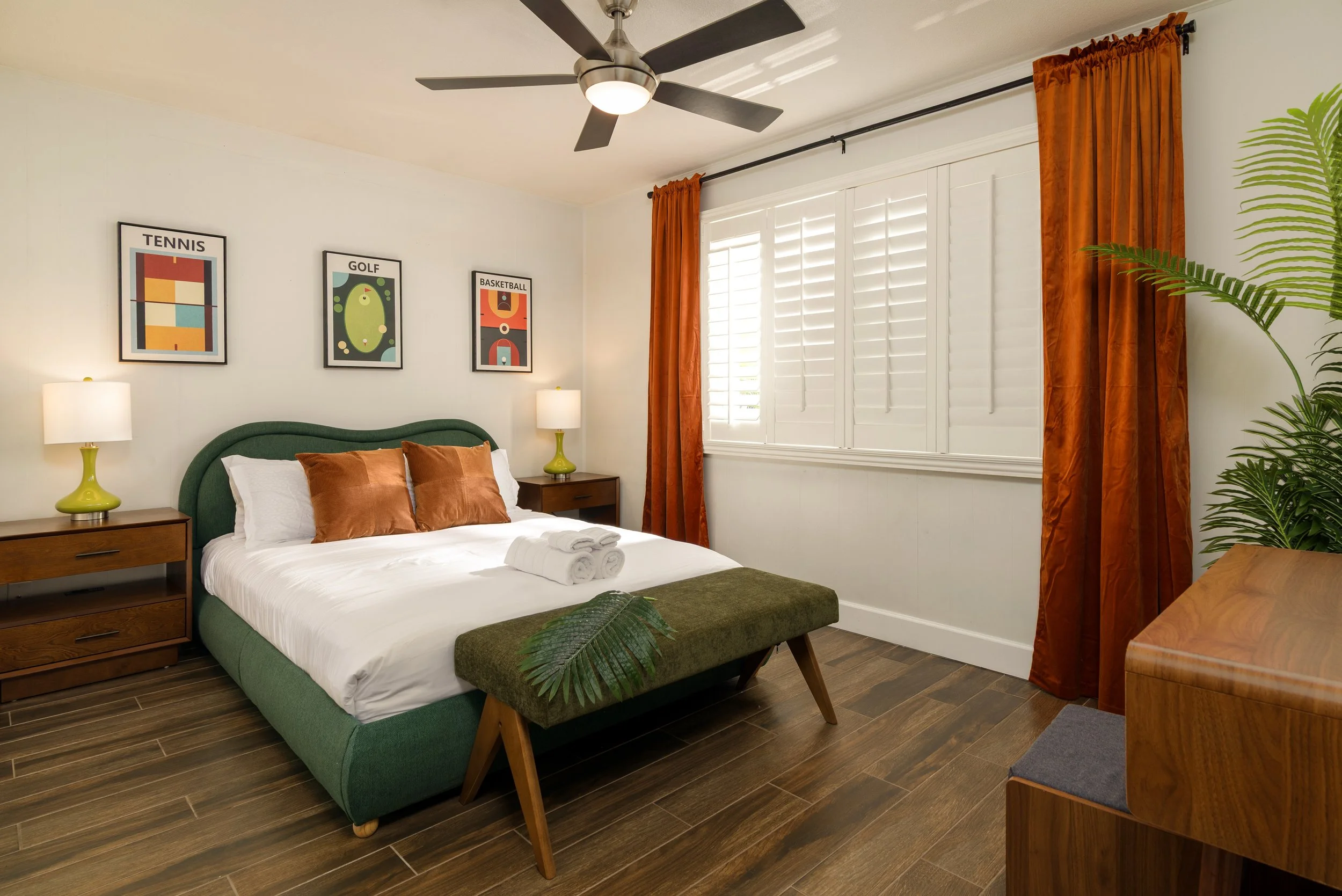
The property sleeps up to 14 guests, so the bedrooms needed to communicate both capacity and character.
Each suite was photographed with attention to its feature wall, ceiling color, lighting, curtains, and overall personality.
The goal wasn't simply to prove that five bedrooms existed.
The images needed to make each room feel like a place guests would actually want to stay.
The fifth suite, with two bunks, received particular attention because it communicated the property's ability to accommodate larger groups while reinforcing the playful character established throughout the home.
Morning Light, Created on Location
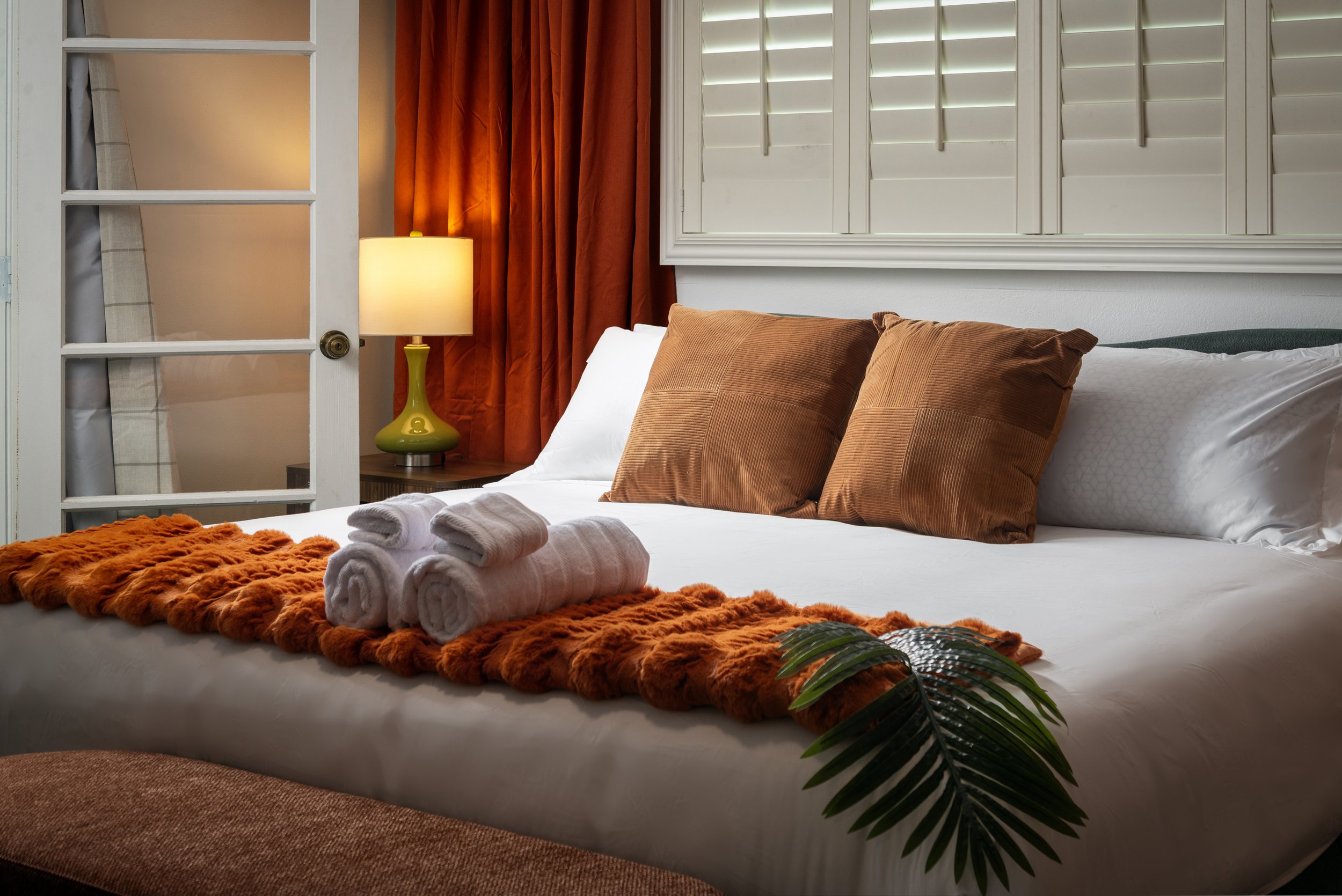
A similar approach was used at the breakfast table on the opposite side of the home.
The French doors created an opportunity for a completely different feeling: early morning light entering the space.
Rather than waiting for the exact natural conditions, the lighting was constructed on location to create the desired direction, quality, and warmth of light.
The photograph could then communicate something the physical room alone couldn't fully communicate:
the feeling of waking up at the property and starting the morning there.
Lifestyle Without Using a Traditional Lifestyle Shoot
The property was designed around groups and entertaining, but a full lifestyle production with models wasn't necessary to communicate that.
Turning the Arizona Room Into a Destination
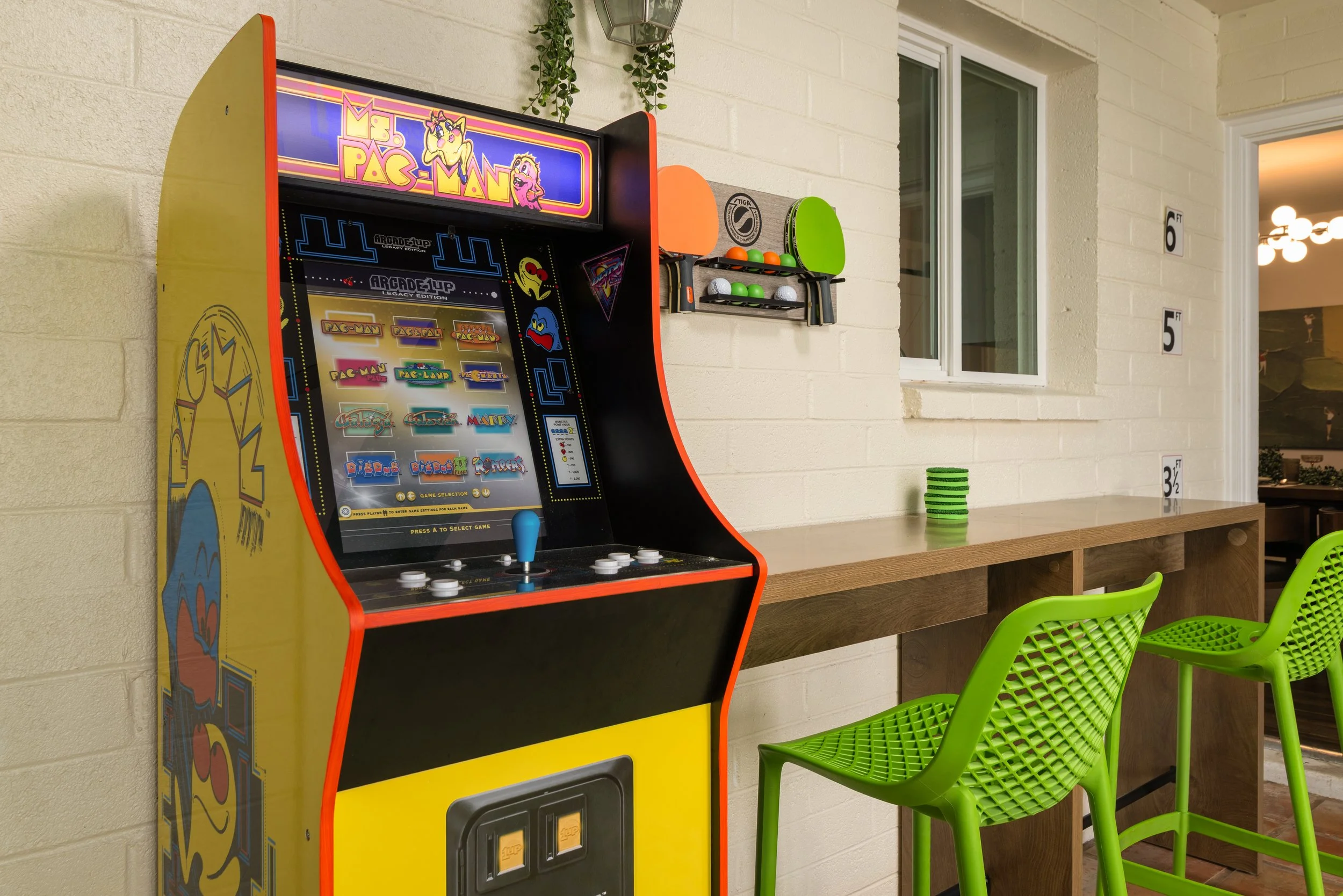
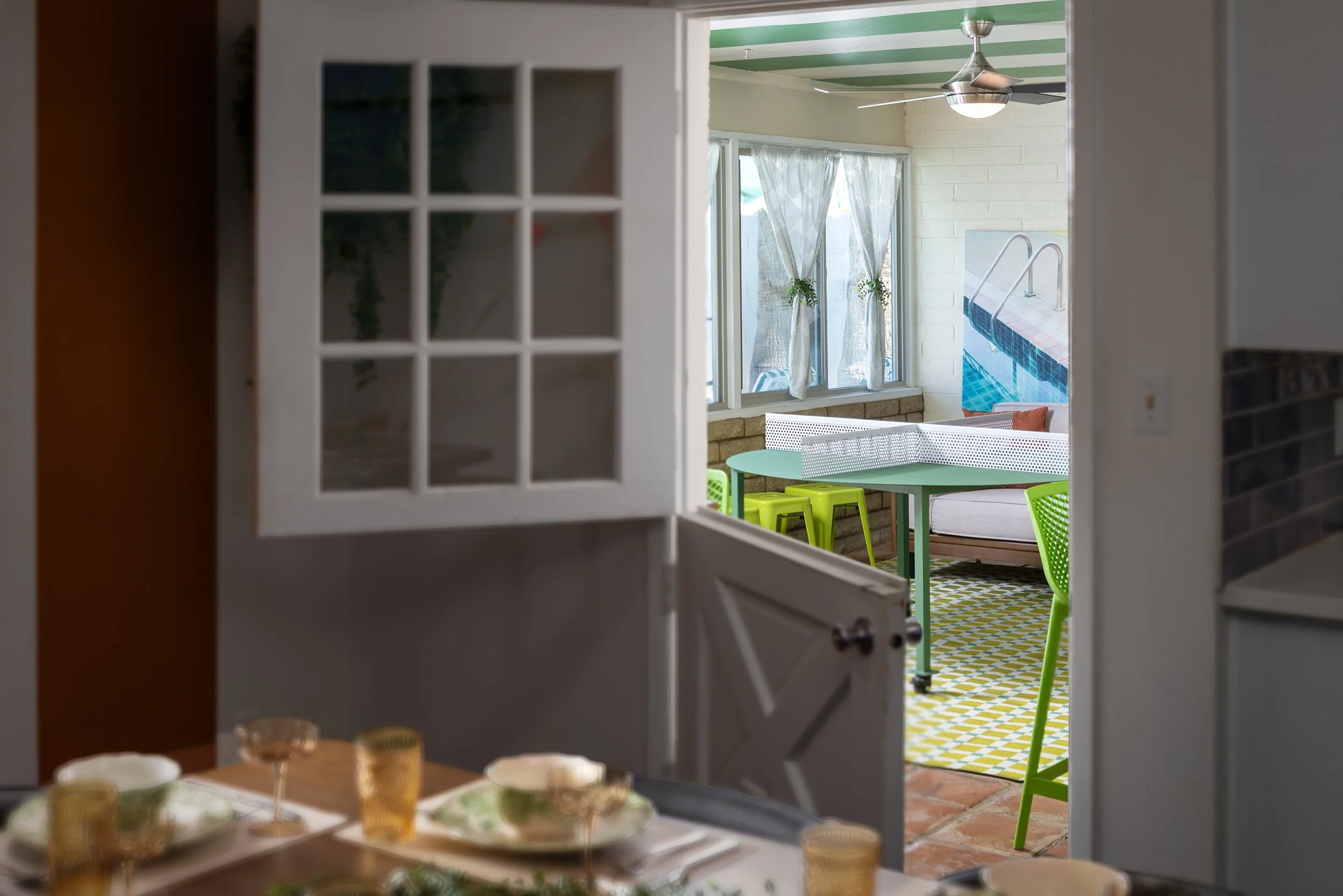
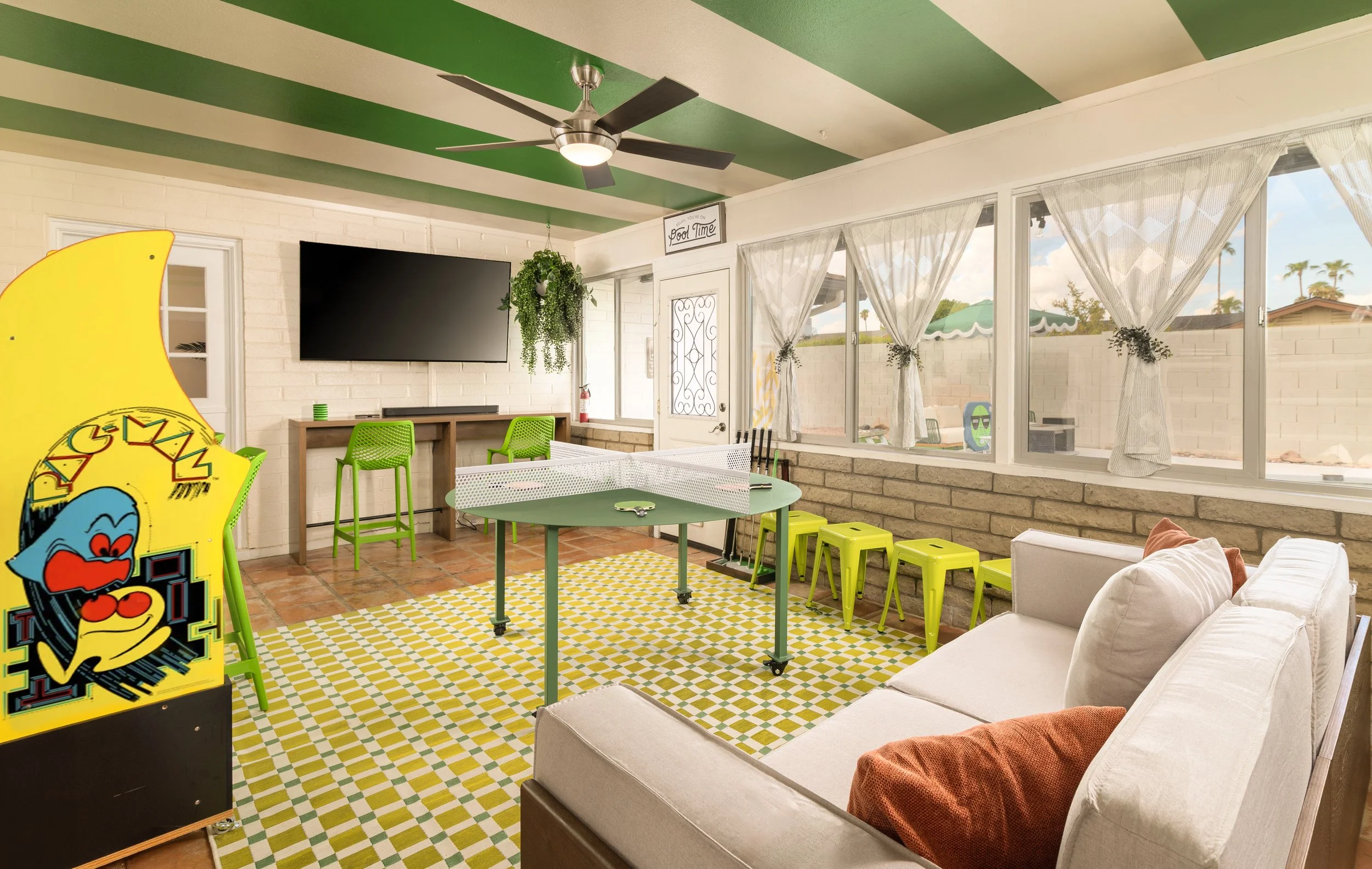
The Arizona room was one of the property's most distinctive spaces.
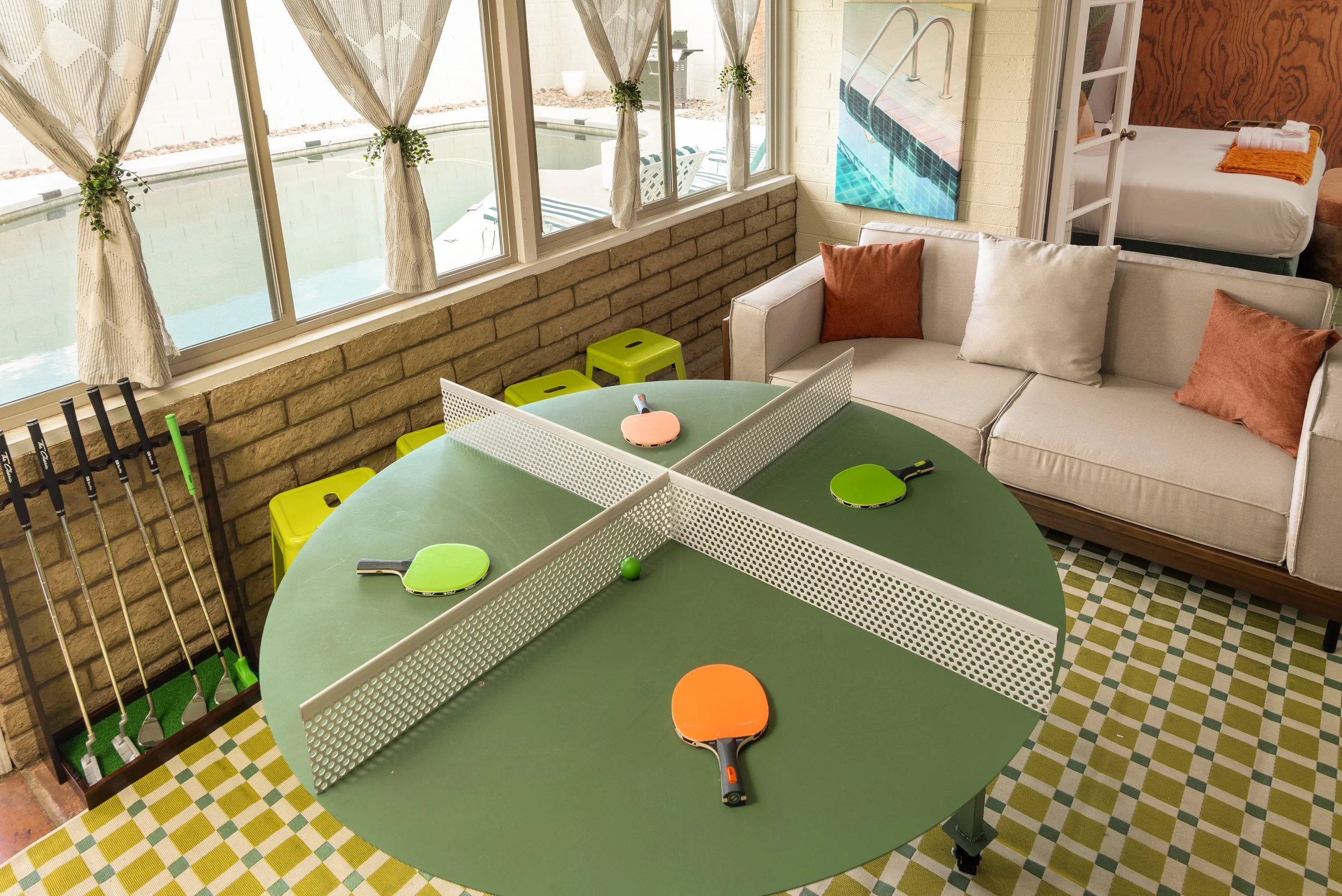
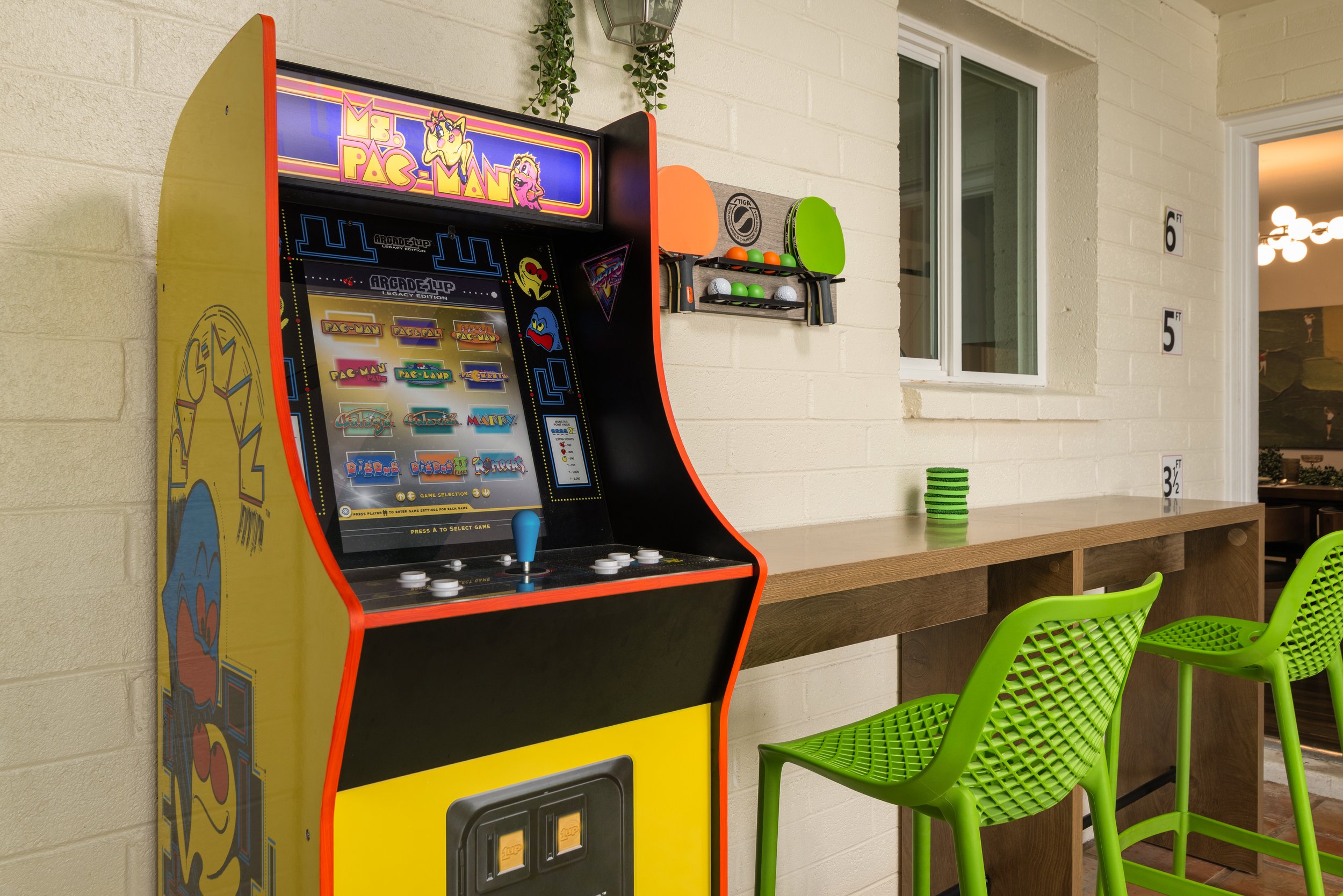
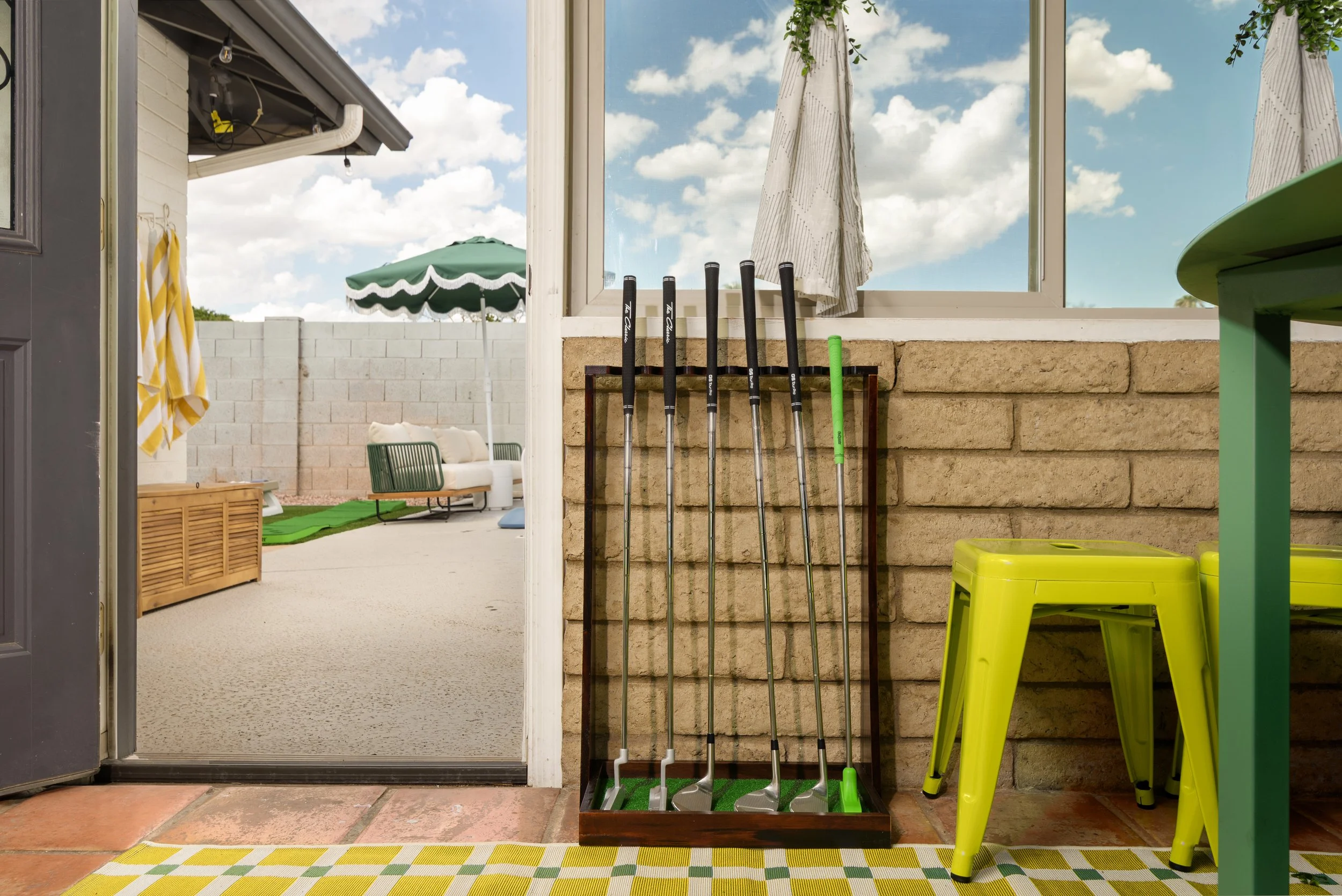
What might have otherwise been treated as an additional enclosed area became a dedicated entertainment zone with an oval ping-pong table, live-edge bar ledge, rattan seating, hanging plants, macrame, a teal checkerboard rug, and a visual connection toward the pool.
The photography needed to communicate that this wasn't simply another room.
It was part of the experience.
A game in progress helped establish that immediately.
Paddle boards and balls on the table, combined with the surrounding seating and decor, gave the room a sense of movement and personality while still clearly showing the space itself.
Instead, the photography used small visual cues.
An open book.
A coffee cup.
A partially used dining table.
Games in progress.
Pool equipment positioned for use.
Fresh towels.
Drinks.
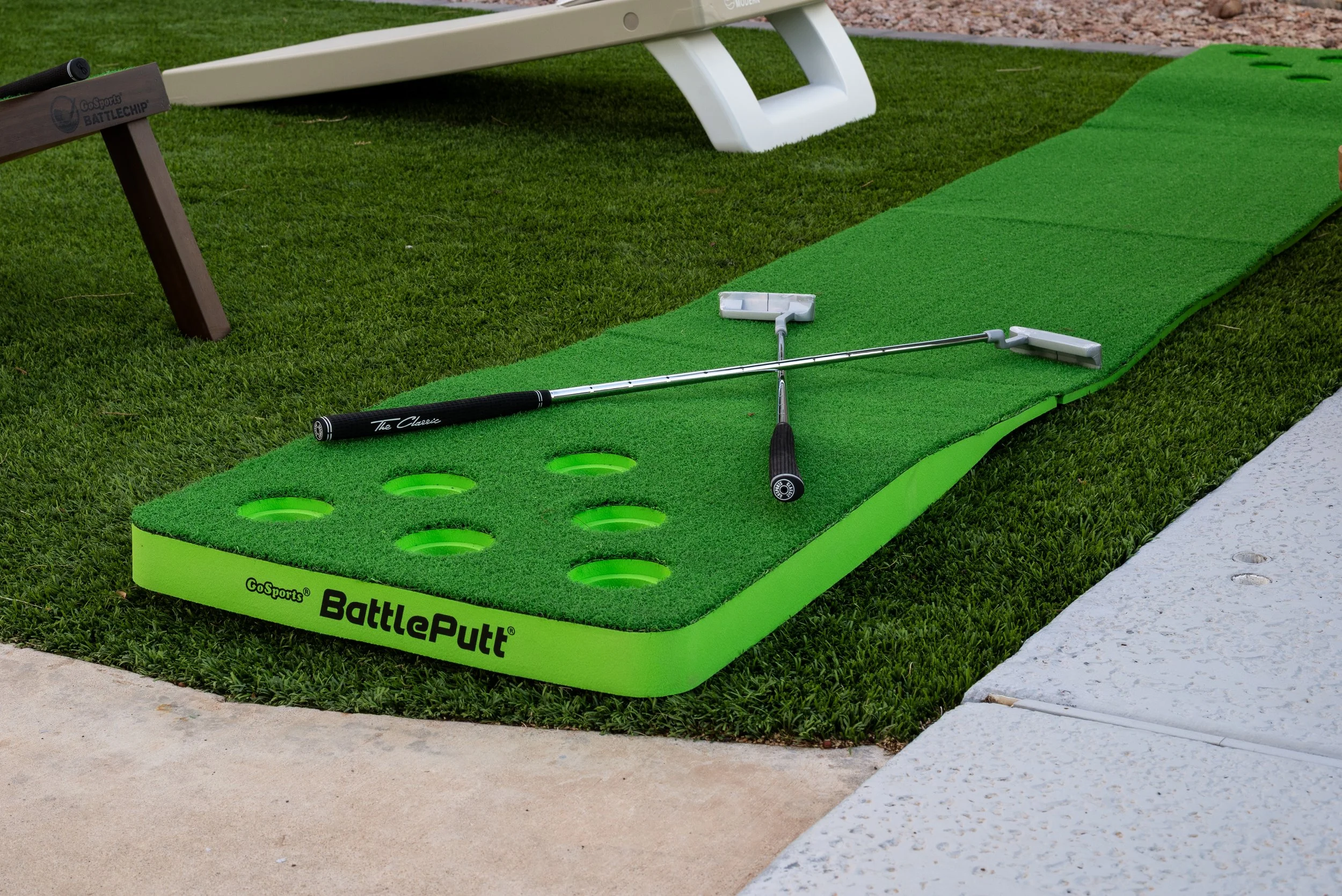
Outdoor games ready to play.
These details helped the property feel occupied without making the photographs dependent on posed people.
The result was a visual language that suggested activity while keeping the property itself as the subject.
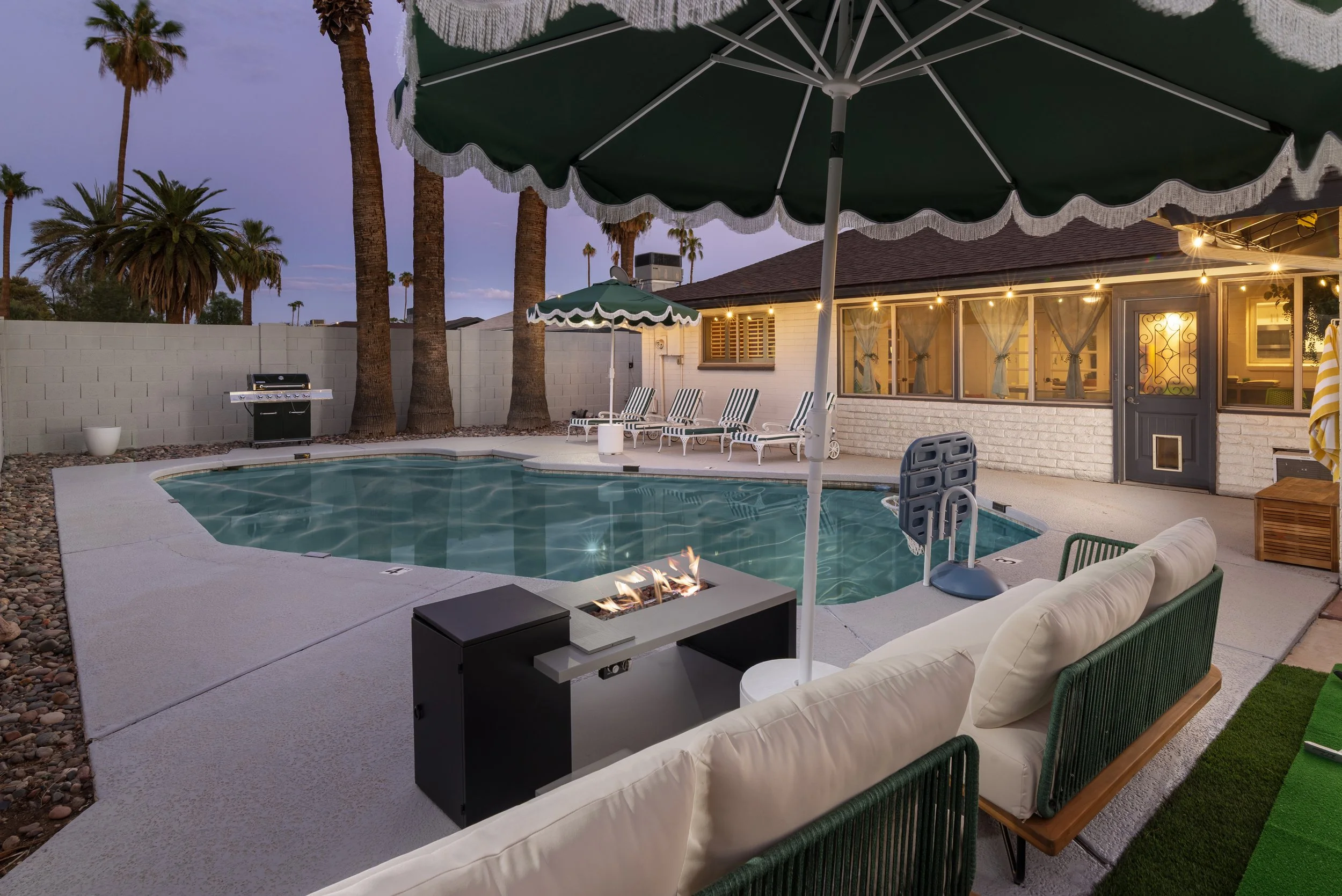
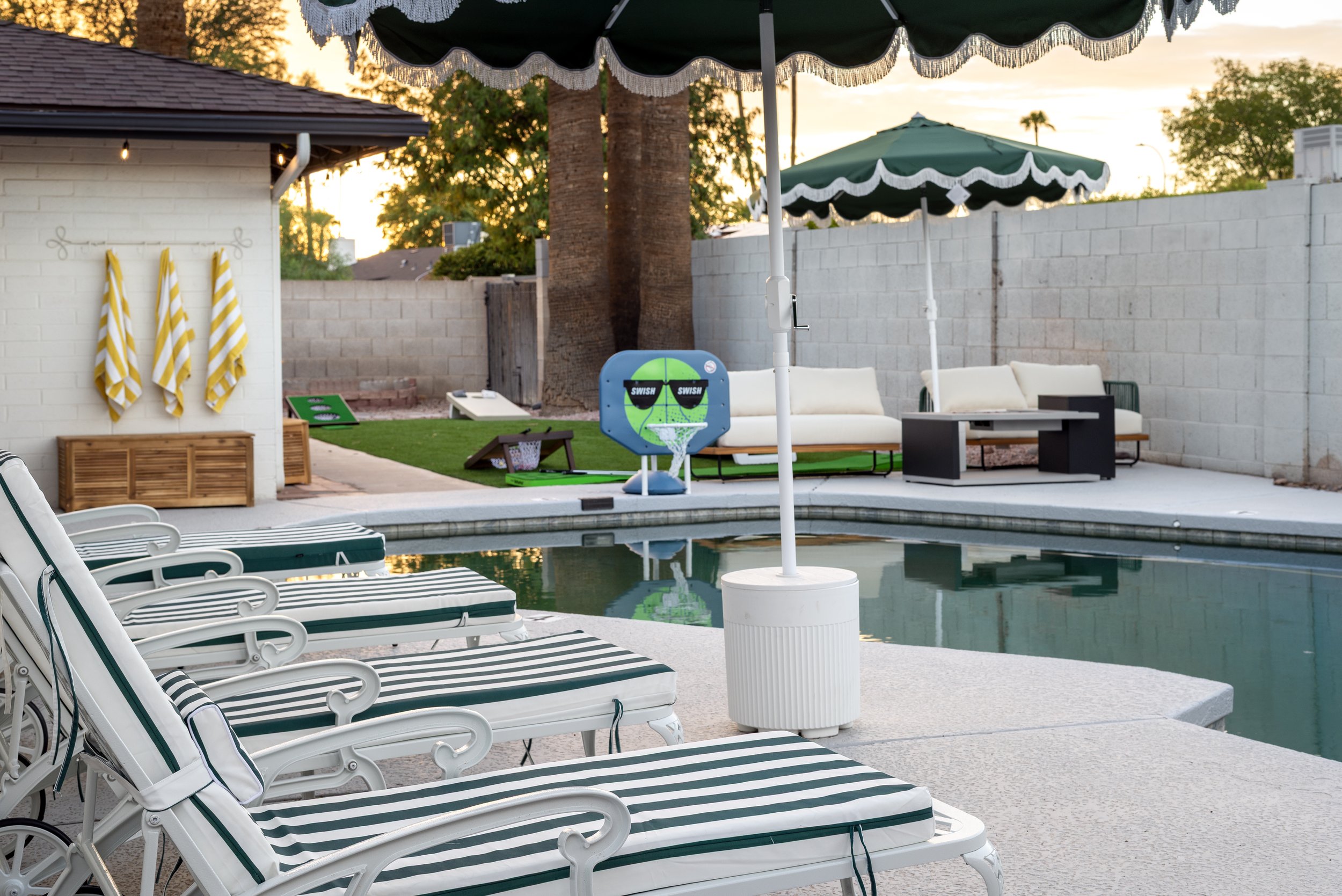
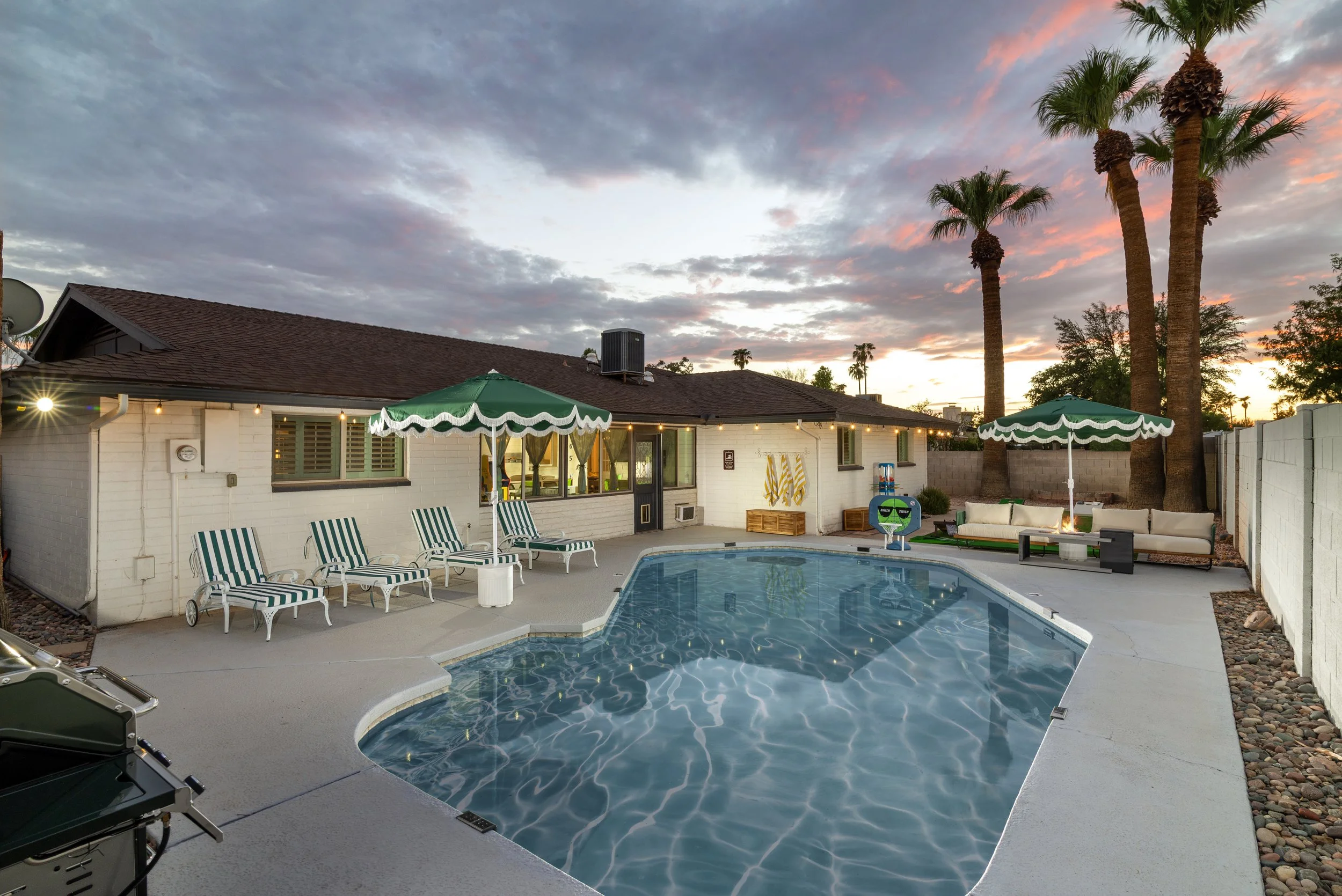
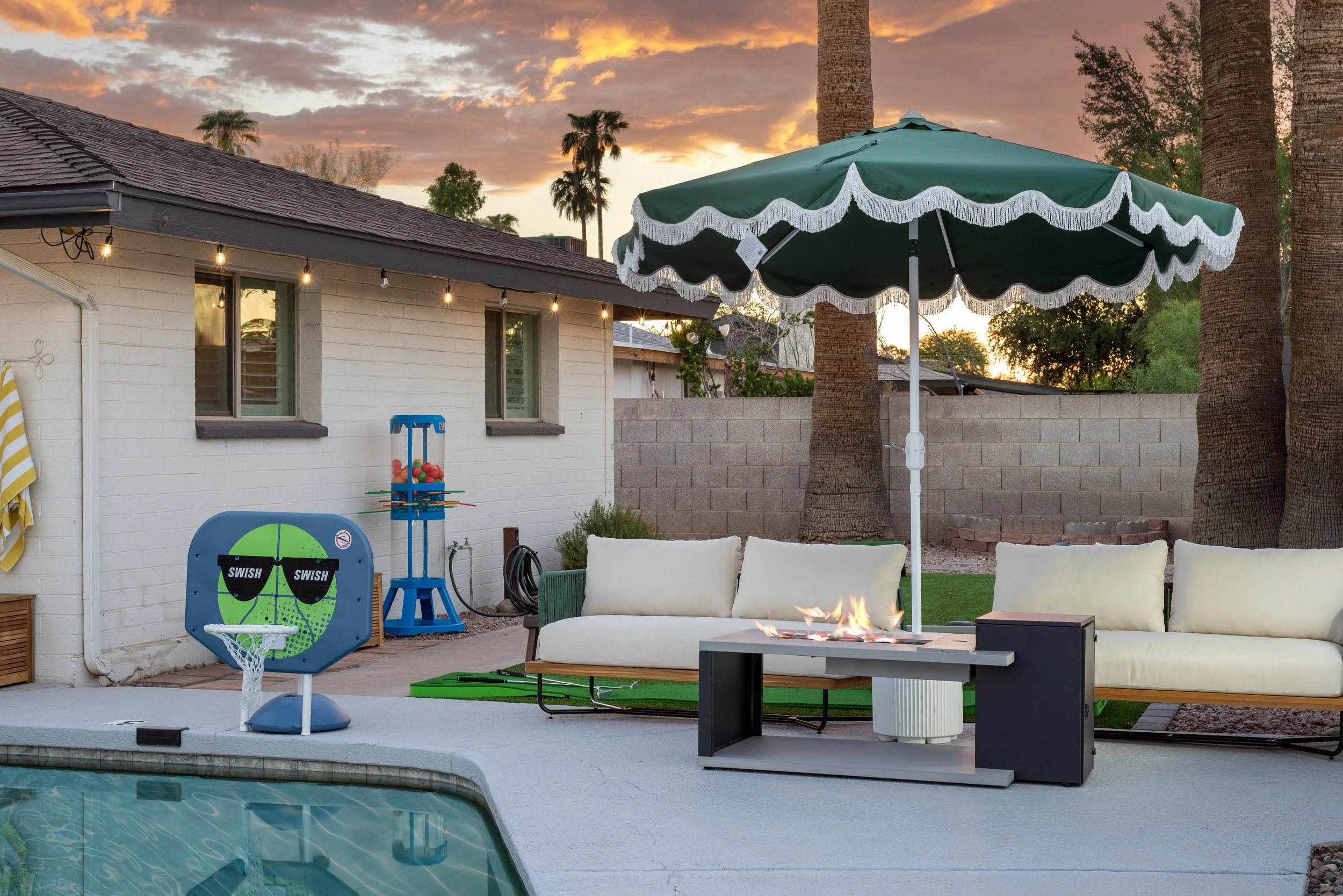
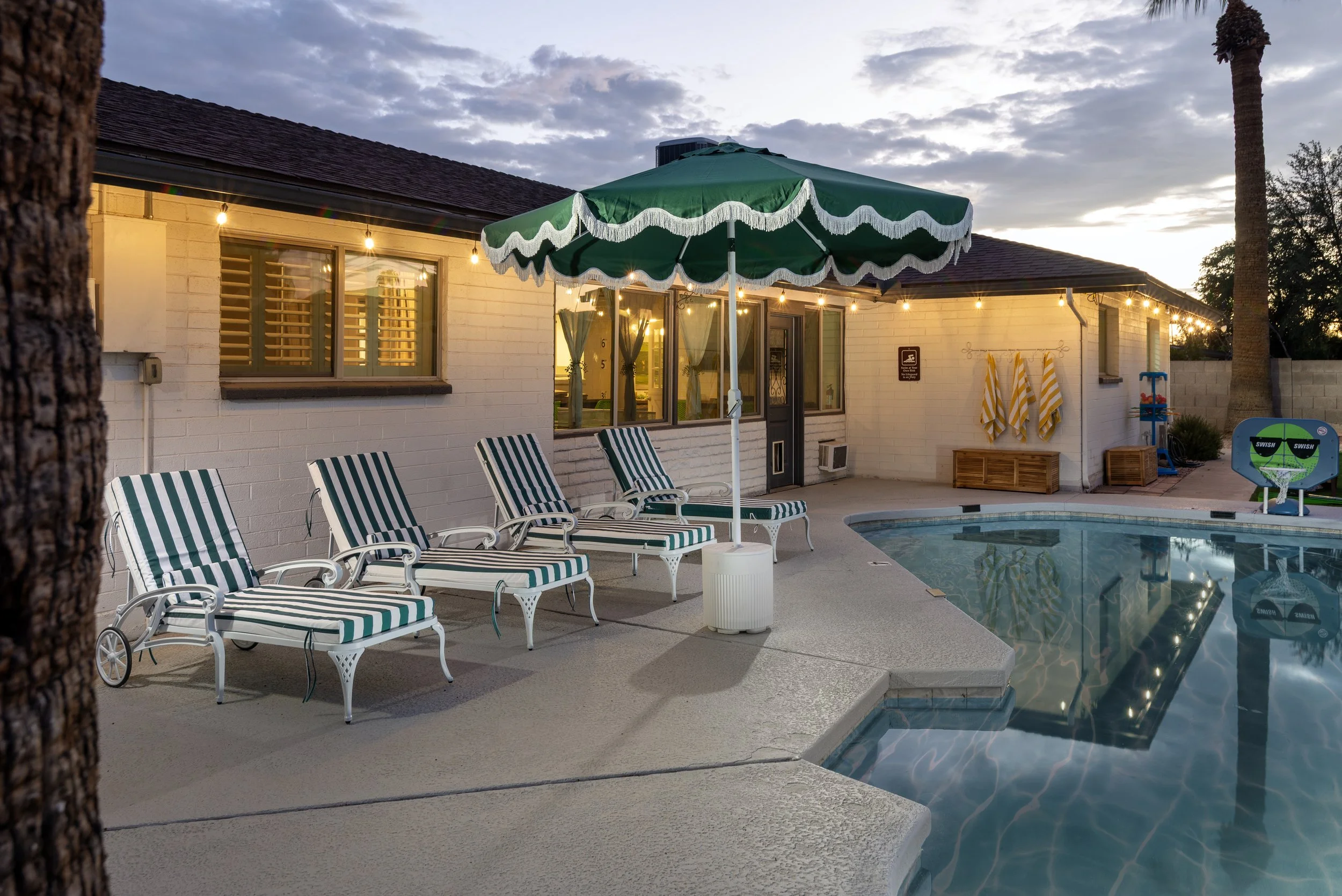
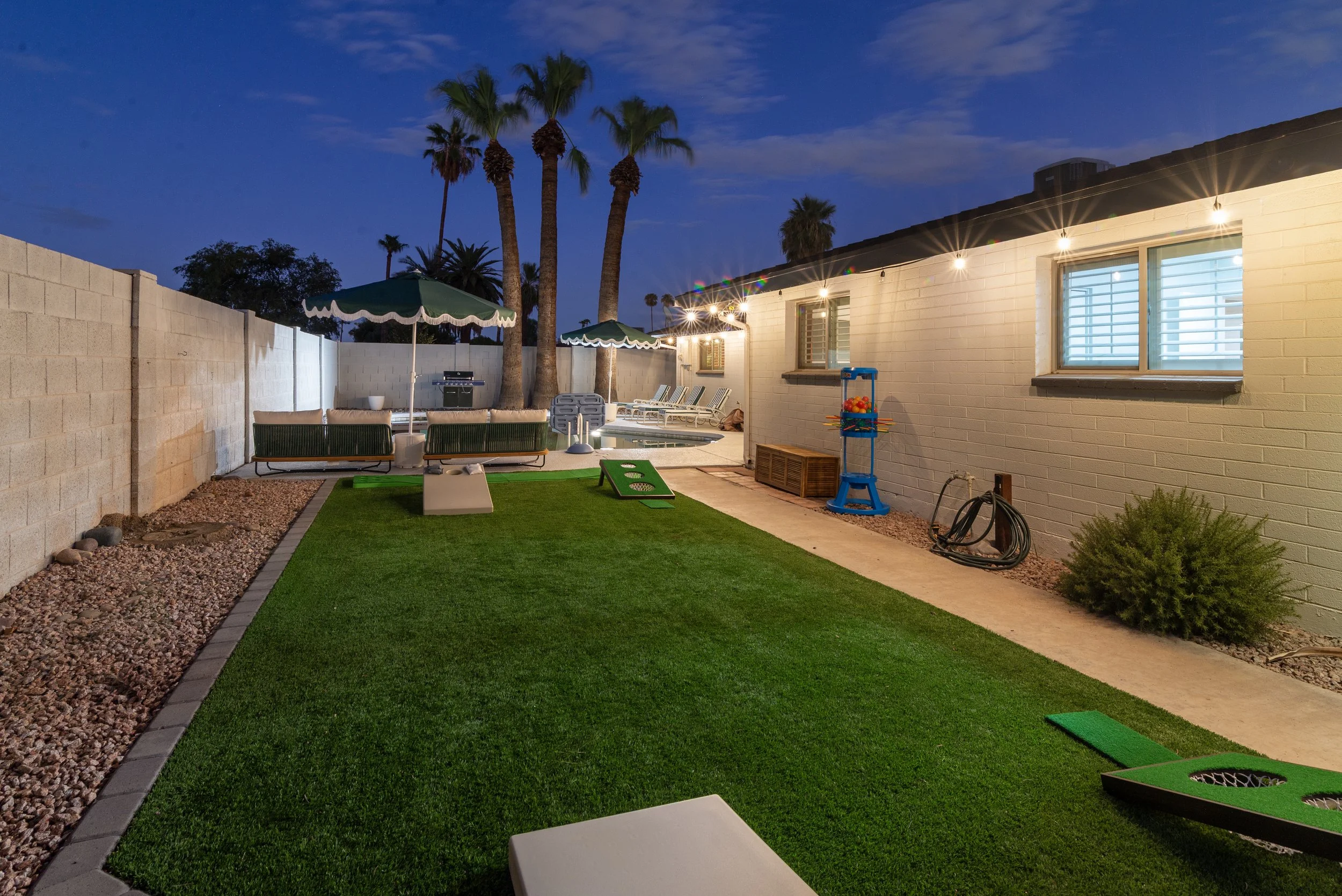
Photographing the Pool and Backyard at Twilight
The backyard was the property's hero zone.
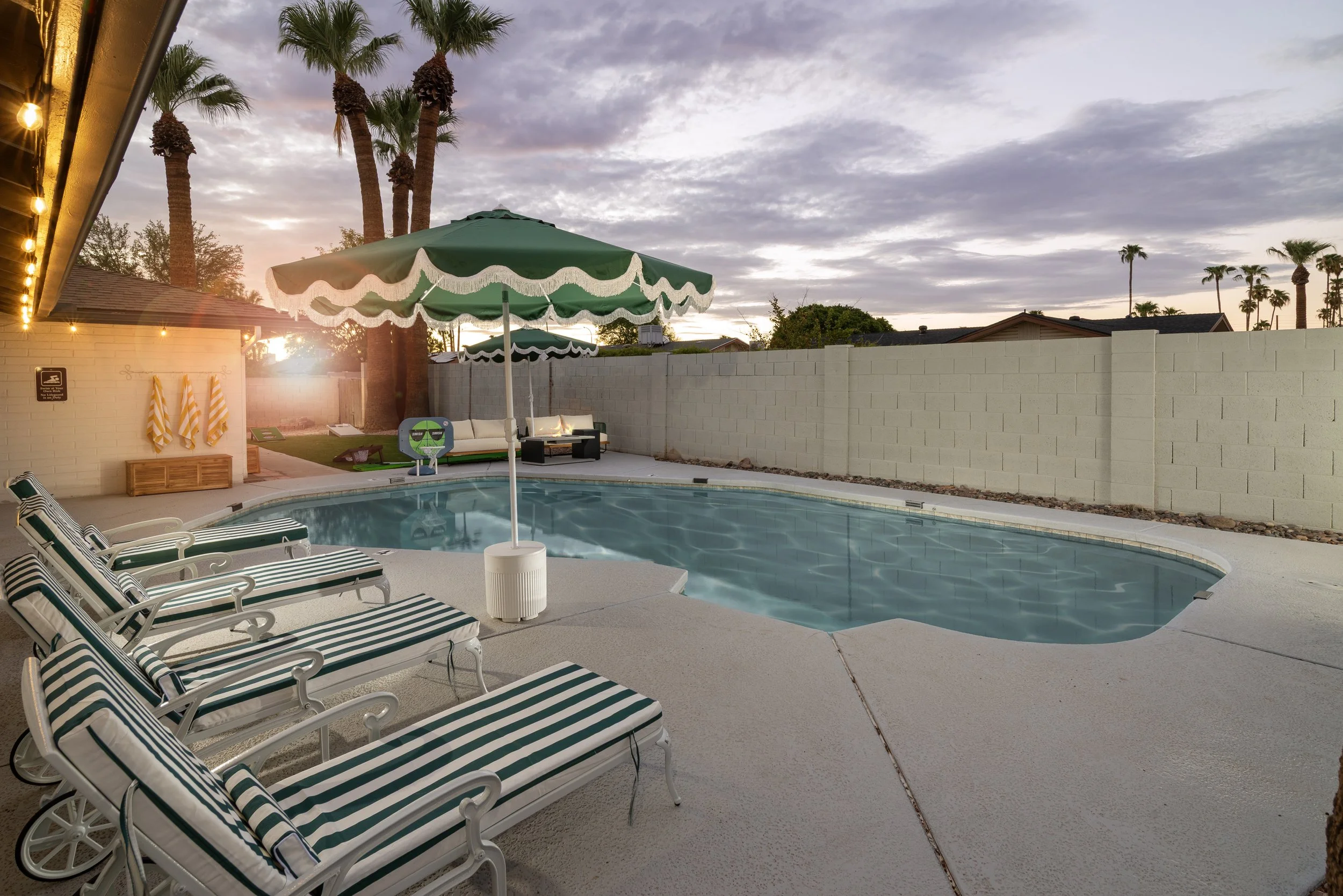
The host had created a substantial outdoor entertaining environment with a pool, new chaise lounge seating, scalloped umbrellas, fire table, barbecue, putting game, cornhole, and other group activities.
Daylight showed the layout. Twilight showed the atmosphere.
The exterior photography was timed around sunset so the final images could balance the remaining color in the sky with the warm glow coming from the house and outdoor lighting.
Strobes were again used to shape the foreground and keep the property visually controlled as the ambient light changed.
The goal was a backyard that felt less like a list of amenities and more like somewhere a group would actually want to spend the evening.
What This Project Demonstrates
This project is a good example of where short-term rental photography can move beyond documentation and into art direction.
The host already understood his property's concept.
The furnishings, colors, amenities, and layout had been intentionally developed around a specific guest experience.
The photographer's role was to translate that concept into imagery.
That required collaboration before the shoot, careful attention to the mood board and shot list, creative styling on location, deliberate lighting decisions, and post-production that preserved the atmosphere without overwhelming the property.
The technical decisions were important.
But they were always in service of the same objective:
make the photographs feel like the experience the host had worked to create.
For this Tempe Airbnb, that meant warmth, personality, nostalgia, playfulness, and a sense that guests had arrived somewhere thoughtfully designed for them.
Key Takeaways
This Tempe Airbnb photography project demonstrates how professional short-term rental photography can:
Translate a property's design concept into a cohesive visual story
Use intentional lighting to establish mood and atmosphere
Make amenities feel experiential rather than merely displayed
Create lifestyle imagery without requiring a traditional model shoot
Give older properties a more distinctive visual identity
Combine accurate property documentation with creative composition
Build a complete image library around the way guests are expected to experience the property
For distinctive Airbnb and vacation rental properties, the strongest photography often begins before the camera comes out.
Understanding the property's concept, intended guest, design choices, amenities, and desired emotional response allows the photography to become part of the property's marketing strategy rather than simply a record of the rooms.
Hospitality-Focused Photography for Arizona Short-Term Rentals
Sean Colón Photography works with Arizona Airbnb hosts, short-term rental owners, property managers, and hospitality brands to create photography designed around how their properties are actually marketed and experienced.
From straightforward listing photography to highly collaborative, art-directed projects, each shoot is approached according to the property, its audience, and the story it needs to communicate.
Photography services are available for Airbnb, VRBO, direct-booking websites, executive rentals, boutique hospitality brands, and professionally managed vacation rental portfolios.
View Other Related Airbnb Case Studies
-
![luxury vrbo photographer in Paradise Valley arizona with couple staged in backyard]()
How Strategic Photography Helped Reposition a Paradise Valley Luxury Home for the Short-Term Rental Market
After an unsuccessful attempt to sell on the MLS, this Paradise Valley property transitioned into the luxury short-term rental market. Updated imagery focused on warmth, twilight ambiance, hospitality-driven composition, and elevated outdoor presentation to better align the property with luxury guest expectations and premium nightly positioning. Read more -
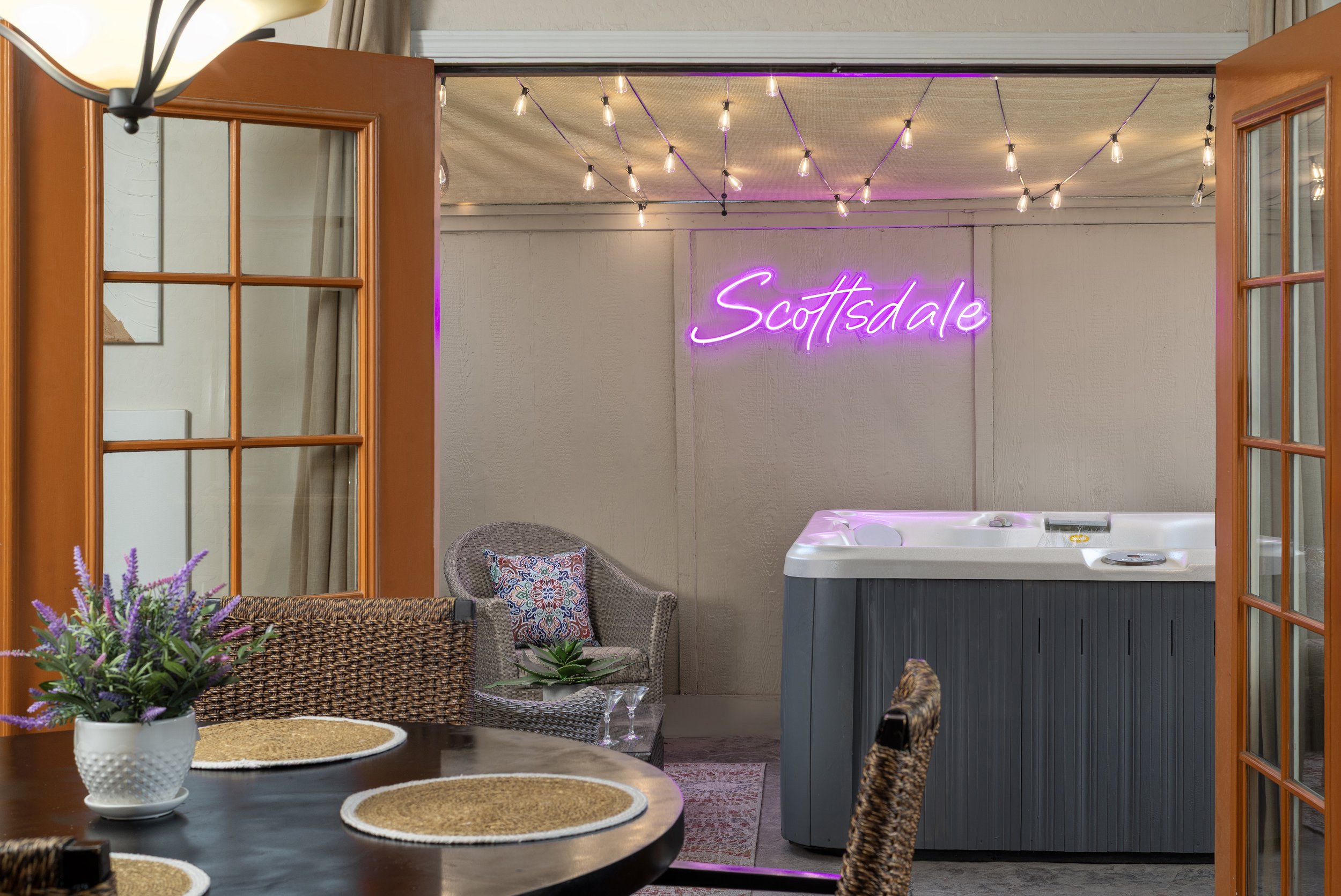
![Interior view of a room with open wooden French doors, showing a neon pink sign that reads 'Scottsdale' on the back wall, string lights on the ceiling, a stone dining table with placemats, a wicker chair with a colorful pillow, a potted plant with purple flowers, and a hot tub in the background.]()
Creating photography that helps a professionally managed Scottsdale vacation rental compete in one of Arizona's most competitive STR markets.
See how professional short-term rental photography helped showcase a professionally managed Old Town Scottsdale Airbnb designed to compete in Arizona's busiest vacation rental market. Read More
-
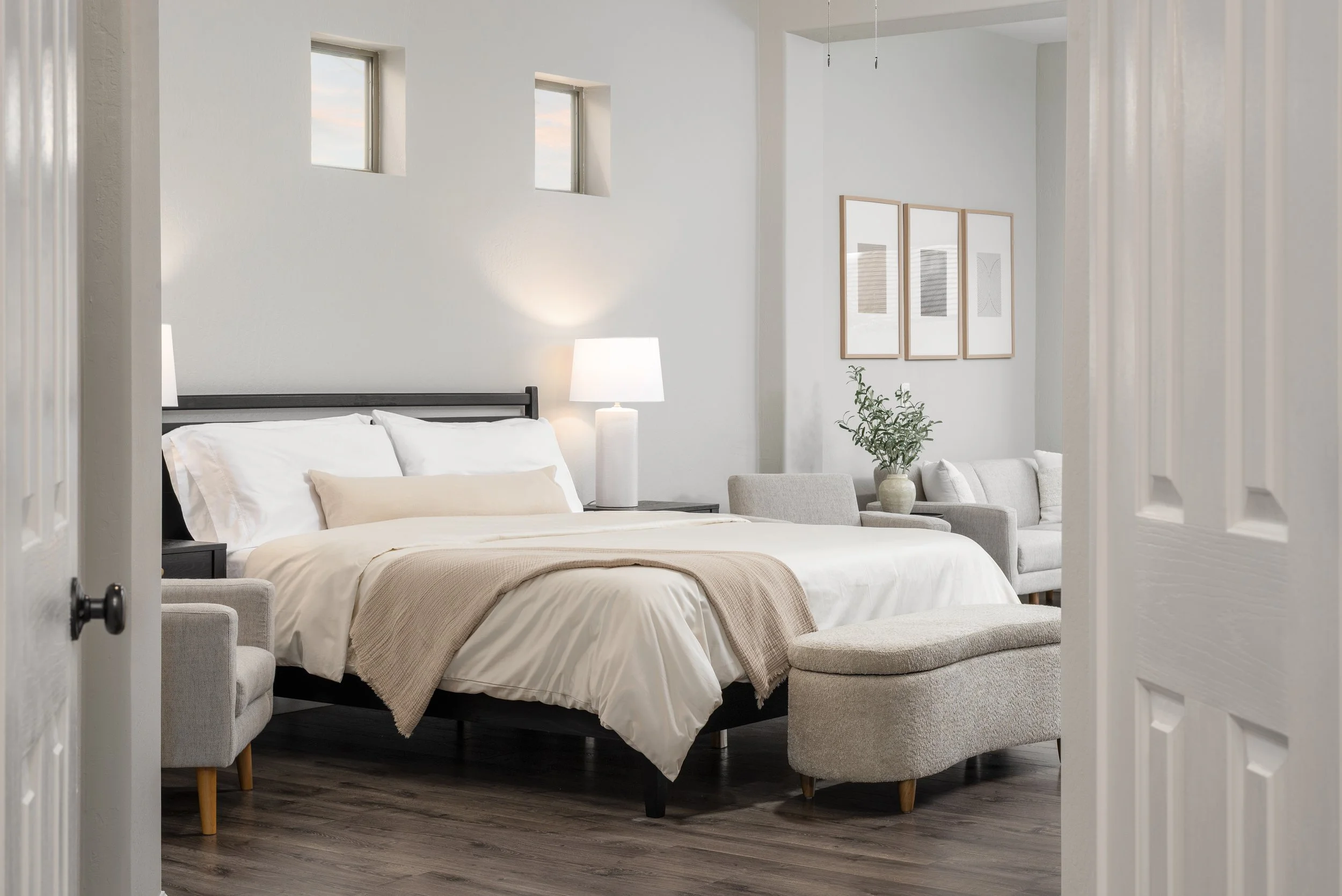
![luxury bedroom interiors photographer in north scottsdale arizona]()
Updating an Established Scottsdale Airbnb to Feel More Hospitality-Focused and Experiential
An established North Scottsdale Airbnb owner wanted imagery that felt warmer, more immersive, and less transactional than previous listing photography. New twilight imagery, revised compositions, and hospitality-focused visual storytelling helped reposition the property for direct guest marketing and stronger emotional engagement. Read more -
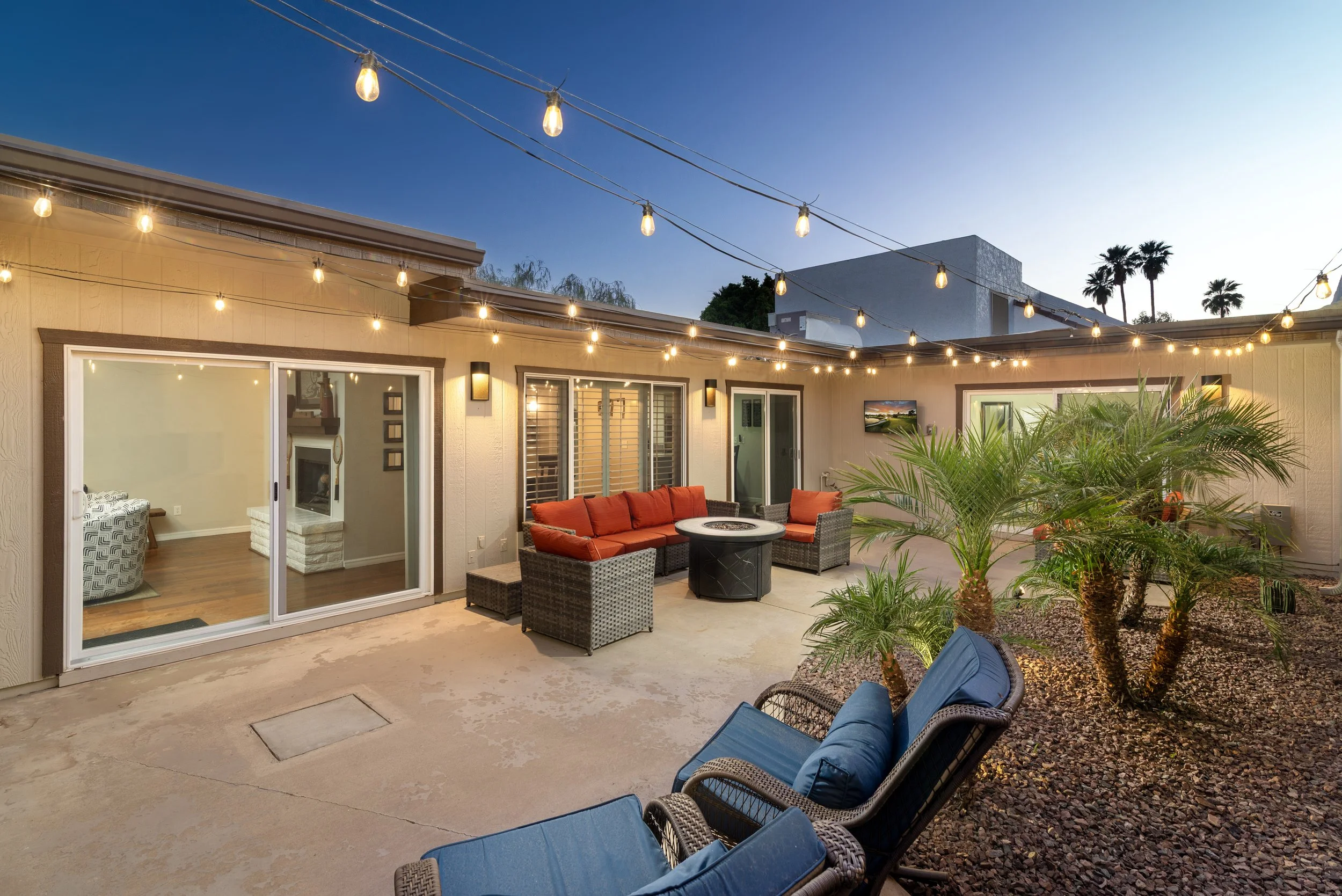
![Airbnb photography twilight exterior]()
Using Twilight Photography and Updated Interiors to Support a Luxury Airbnb in Litchfield Park
This Litchfield Park short-term rental owner sought updated interior photography and twilight imagery to strengthen the property’s presentation and support higher nightly positioning within a growing Arizona vacation rental market. Read more
-
![]()
From Dark Listing Photos to a Brighter Airbnb: An Arizona STR Case Study
See how professional Airbnb photography transformed a dark, underperforming Arizona vacation rental into a brighter, more inviting listing designed to attract short- and mid-term guests. How strategic photography, styling, and virtual twilight imagery gave an Arizona vacation rental a stronger visual presentation on a very tight deadline. Read more
-
![ADU phoenix airbnb photographer]()
Small Space, Big Impact; How Professional Photography Was Used to Maximize an Investment
A Phoenix ADU Airbnb case study showing how professional short-term rental photography helped market a design-forward backyard guest house in the Camelback Corridor for Airbnb success. Read More -
![A backyard with a swimming pool, lounge chairs, umbrellas, and a two-story house with lit windows during dusk. Tall palm trees frame the scene.]()
Getting a Luxury Airbnb in the Kierland Area of North Scottsdale Ready in Just One Day
Final furniture arrived Monday. Guests checked in Tuesday. See how flexible scheduling and virtual twilight photography delivered a complete marketing gallery without delaying the property's first booking in this North Scottsdale short term rental. Read more

Check out the Arizona Airbnb Field Guide
A practical two-page guide for Arizona vacation rental owners and property managers.
✔ No email or sign-up required; it’s free!
✔ Build an Airbnb guests want to book
✔ Arizona-specific furnishing ideas
✔ Professional photography preparation checklist
✔ Practical recommendations based on real vacation rental photography experience