
By Sean Colón
For Arizona real estate agents and brokers, one of the more common questions surrounding listing preparation is simple on the surface:
How much should real estate photography cost?
The answer becomes more nuanced once presentation quality, buyer perception, listing performance, property type, and marketing goals enter the conversation.
In competitive Arizona markets such as Phoenix, Scottsdale, Paradise Valley, Tempe, Mesa, Gilbert, Chandler, and Gold Canyon, photography is rarely viewed as a line-item expense alone. It functions as part of the listing’s first showing experience. Buyers form impressions quickly, often before reading property details, reviewing disclosures, or scheduling a tour.
That reality creates an important friction point for many agents:
A property may be well-prepared, professionally staged, accurately priced, and located in a desirable area, yet the listing still struggles to generate the expected level of attention or engagement online.
In many cases, presentation quality plays a larger role than professionals initially realize.
Quick Reference for Arizona Real Estate Professionals
Before booking photography for a listing, many agents evaluate:
Property size and complexity
Expected listing price point
Marketing strategy and target buyer
Whether twilight, aerial, or 3D media supports the property story
Turnaround expectations and scheduling reliability
Consistency across future listings and branding standards
Professionals seeking stronger visual consistency often explore full-service real estate media packages that include photography, aerial imagery, virtual staging, and 3D tours depending on the property type and presentation goals.
Why Photography Pricing Varies So Widely in Arizona
One reason agents searching for photography pricing encounter inconsistent information is because real estate photography is not a standardized service category.
Pricing often reflects several variables simultaneously, including:
Property square footage
Image count and delivery expectations
Licensing and usage structure
Editing quality and consistency
Experience photographing Arizona-specific lighting conditions
Travel requirements
Scheduling flexibility
Additional media services
Production standards and communication reliability
In Arizona, environmental conditions also affect the technical demands of a shoot. Harsh midday sunlight, reflective desert surfaces, expansive windows, mountain backdrops, and exterior architectural details require thoughtful exposure management and timing.
A property photographed without attention to these details can appear flat, uneven, overly dark, or visually harsh online even when the home shows beautifully in person. Here is a great resource about the difference between “just average” and STELLAR real estate listing photos.
Typical Real Estate Photography Pricing Expectations in Arizona
While pricing varies across providers and markets, many Arizona agents commonly encounter ranges such as:
Standard listing photography for smaller homes or condos: approximately $150 to $300
Mid-sized residential properties with enhanced editing and broader coverage: approximately $300 to $600
Luxury homes, larger estates, or architecturally significant properties: often $600 to $1,500+ depending on scope
Twilight photography add-ons: commonly $150 to $350
Aerial drone photography: commonly $100 to $300
3D tours (a.k.a. Zillow 3d Home Tours) scanning: commonly $150 to $500+
Virtual staging services: commonly priced per image or room
These ranges are influenced heavily by production quality, experience level, consistency, and the complexity of the property itself.
For many experienced agents, the more useful question becomes:
What level of presentation does the listing require to support buyer perception and marketing expectations?
The Real Friction Point: Buyer Perception Often Changes Before a Showing Is Scheduled
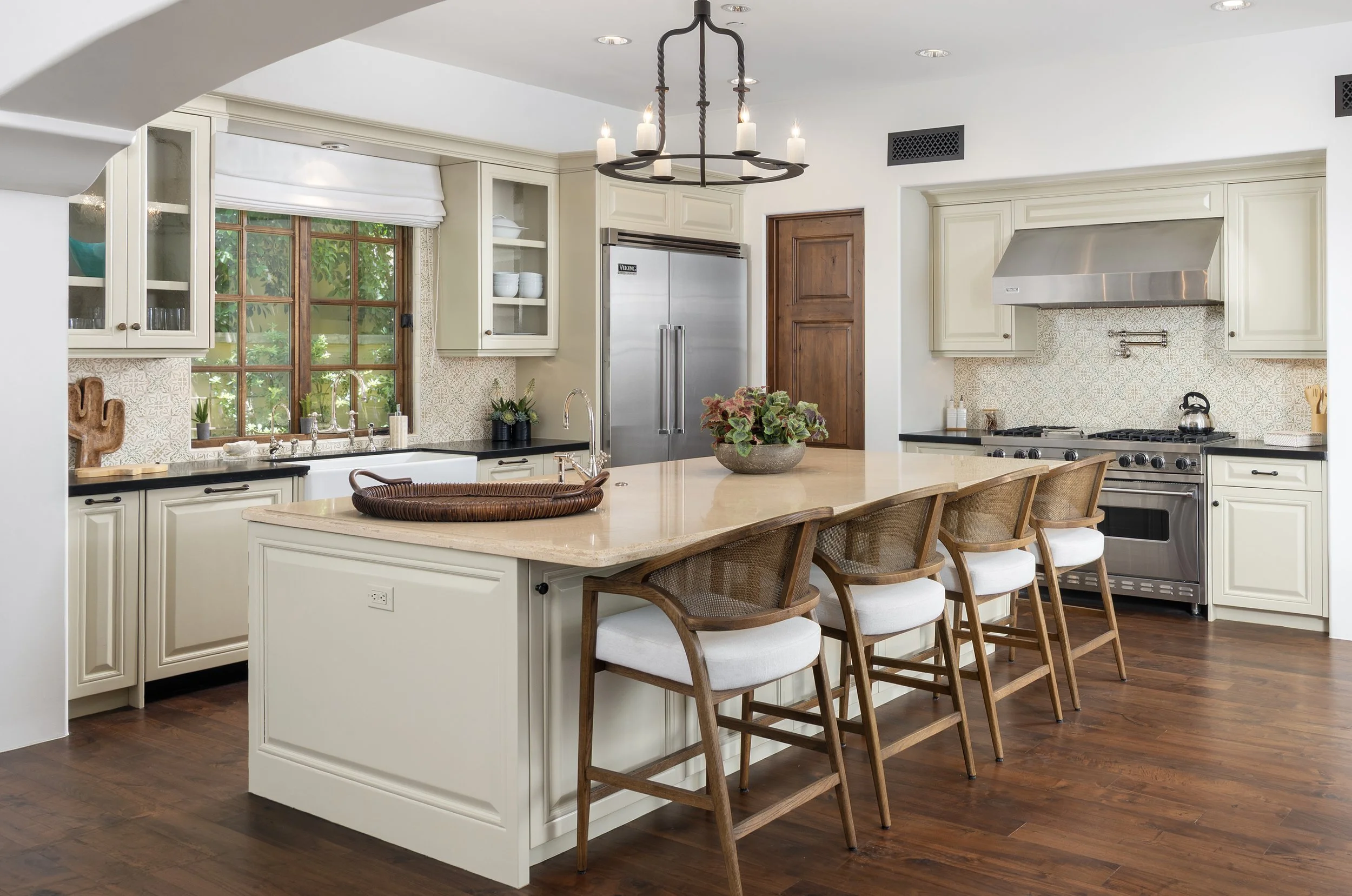
A common challenge professionals encounter is that listings with weaker visual presentation frequently struggle to create momentum during the first days on market.
Buyers browsing Zillow, Redfin, MLS feeds, and brokerage websites move quickly through inventory. During that process, visual presentation heavily shapes assumptions about:
Property condition
Build quality
Maintenance standards
Spaciousness
Natural lighting
Lifestyle appeal
Overall value perception
This happens even among highly analytical buyers.
Professional photography influences emotional response and perceived credibility at the earliest stage of the search process. Many agents underestimate how much presentation quality affects click behavior, saved listings, showing requests, and perceived pricing confidence.
For more in-depth guide on how to prepare your listing for professional photography in Arizona, check out this FREE HOME PREP GUIDE and Checklist!
Why Lower-Cost Photography Sometimes Creates Expensive Outcomes
Most experienced real estate professionals have encountered listings where the imagery unintentionally weakened the property’s presentation.
Common issues include:
Crooked vertical lines
Inconsistent color balance
Dark interiors
Overprocessed HDR editing
Distorted room proportions
Poor composition
Incomplete coverage of important spaces
Exterior images captured during unfavorable lighting conditions
These details subtly shape how buyers interpret the listing. For more info and to answer the question “But what’s the difference?” when it come to comparing real estate photographers, check out this guide!
A home photographed with strong composition, accurate lighting, and thoughtful sequencing tends to feel more polished and professionally represented online. That perception often extends to how buyers view the property itself and, in many cases, the professionalism of the listing representation.
Twilight Photography and Aerial Imagery Often Support Higher-End Presentation Goals
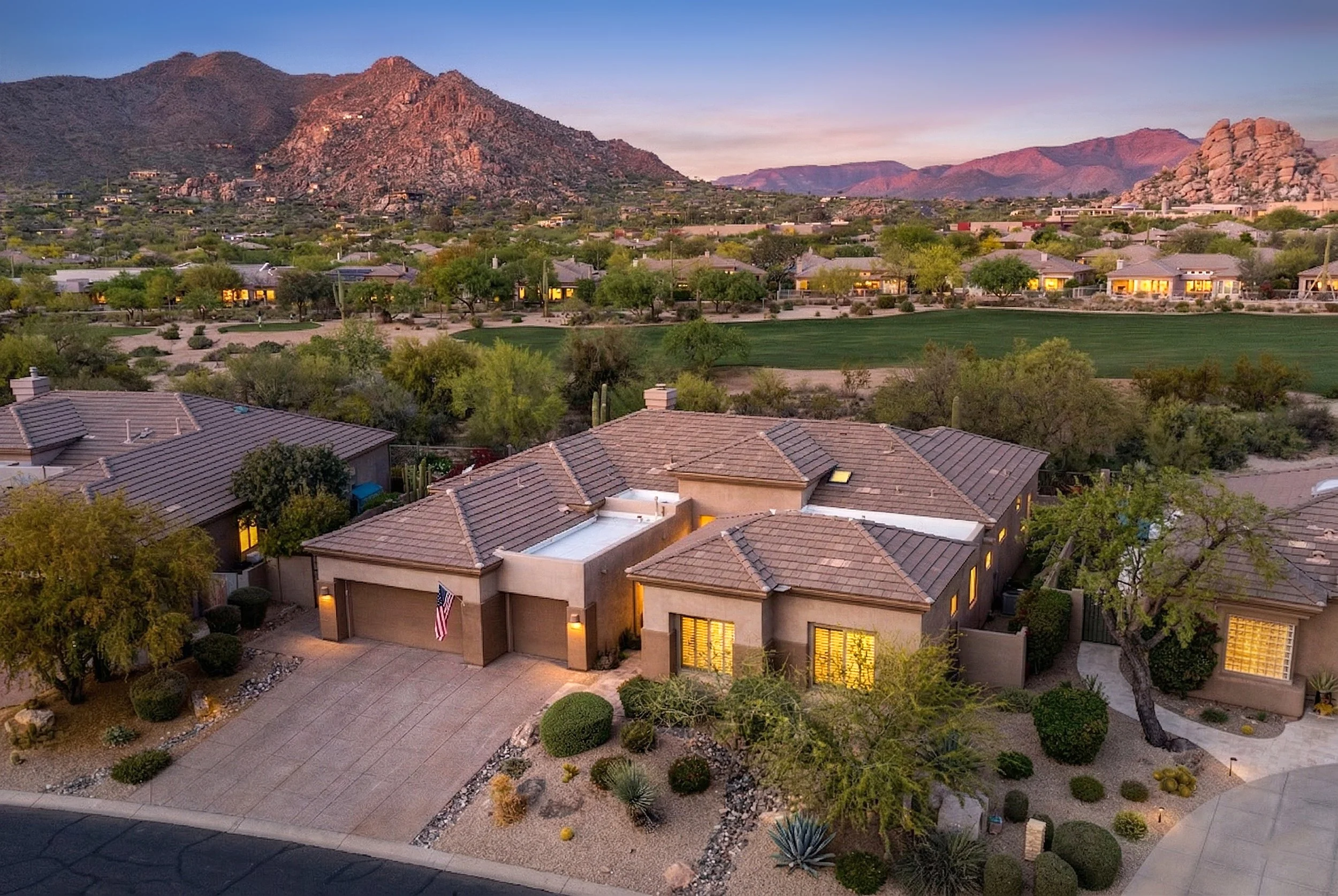
Certain Arizona properties benefit significantly from expanded visual media coverage.
Twilight photography is frequently valuable for homes featuring:
Outdoor entertaining spaces
Resort-style pools
Desert landscaping
City light views
Luxury exterior architecture
Premium patio environments
Arizona’s evening lighting conditions often create warmth and atmosphere that standard daytime photography cannot fully communicate.
Aerial imagery also plays an important role for properties where context matters, including:
Golf course communities
Acreage properties
Mountain-view homes
Desert-adjacent locations
Gated communities
Larger luxury estates
Drone photography helps buyers understand orientation, lot placement, privacy, surrounding amenities, and neighborhood positioning more clearly.
Virtual Staging and 3D Tours Help Reduce Buyer Uncertainty
Vacant listings frequently present another challenge for agents.
Empty rooms can feel smaller online and make it more difficult for buyers to interpret layout and functionality. Virtual staging can help create visual clarity while maintaining a polished presentation standard.
Similarly, 3D tours and interactive walkthroughs often help buyers feel more confident scheduling in-person showings, particularly for relocation buyers and out-of-state purchasers common throughout Arizona markets.
These tools support stronger property understanding before buyers physically enter the home.
How Experienced Agents Often Approach Photography Budget Decisions
Many high-performing agents evaluate photography as part of the broader presentation strategy for the listing.
That typically includes consideration of:
Expected buyer demographic
Property uniqueness
Marketing timeline
Competition within the immediate price bracket
Seller expectations
Brand consistency
Long-term reputation and referral positioning
In practice, photography decisions often influence how confidently a listing enters the market.
Professional presentation standards communicate preparation, organization, and attention to detail before a buyer or seller ever speaks directly with the agent.
Presentation Quality Shapes Perceived Value More Than Many Professionals Expect
Real estate photography pricing conversations often focus narrowly on cost comparisons. Yet presentation quality frequently has broader implications tied to buyer psychology, seller confidence, online engagement, and overall marketing perception.
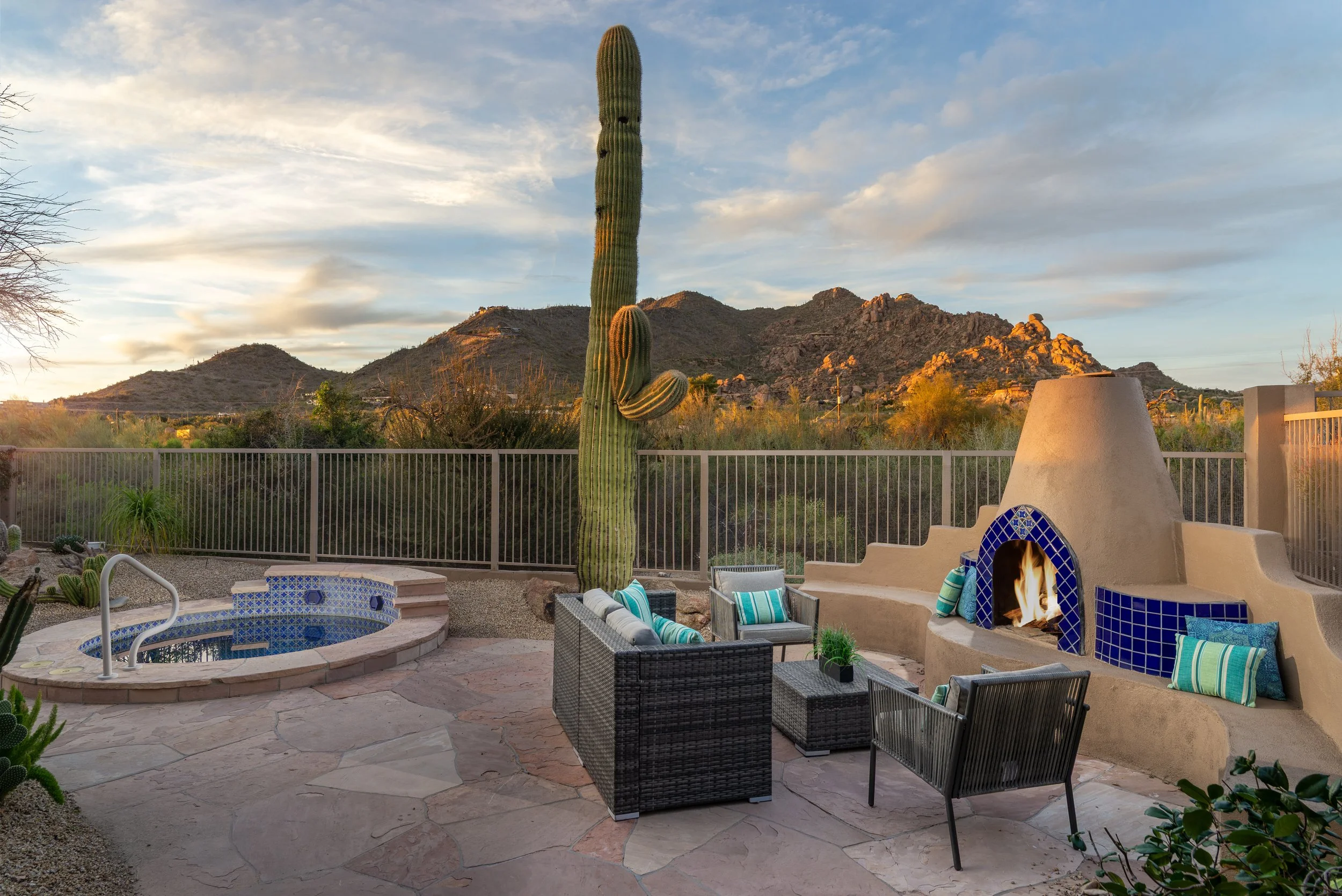
In Arizona’s visually competitive residential markets, photography functions as part of the listing strategy itself.
For many agents, the goal is not necessarily finding the lowest photography price. The goal is creating consistent presentation standards that support the property, the client experience, and the professionalism of the listing from the moment buyers encounter it online.
For professionals evaluating current listing performance, reviewing the quality and consistency of visual presentation can be a meaningful place to refine marketing outcomes moving forward.
Thoughtful photography, twilight imagery, aerial coverage, virtual staging, and 3D tours each contribute to how buyers emotionally and visually interpret a property before scheduling a showing.
What aspect of listing presentation do buyers seem to respond to most consistently in your experience: photography quality, staging, aerial imagery, or interactive tours?
About the Author
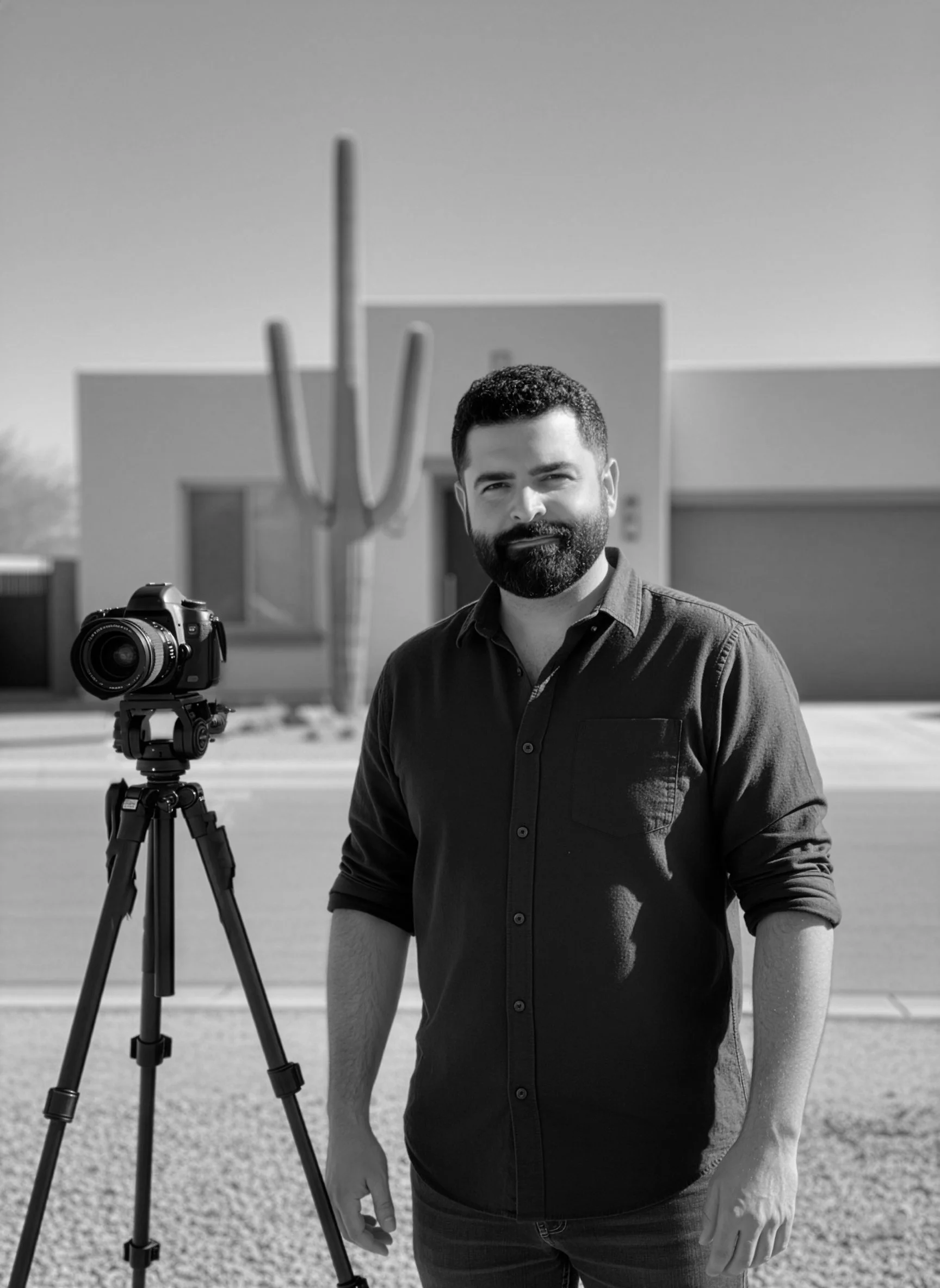
More about me here
Sean Colón is an Arizona-based architectural and real estate photographer with over 14 years of professional experience. He works with short-term rental owners, real estate agents, builders, and designers across the East Valley, focusing on accurate, well-composed imagery that supports how properties are marketed and understood.
His work emphasizes consistency, color accuracy, and visual clarity across residential, architectural, and commercial projects.