
When Strong Assets Stall: Why Visual Presentation Shapes NOI Conversations
By Sean Colón
In Arizona’s commercial and multifamily market, a familiar frustration emerges when well-performing assets struggle to generate momentum. A property underwrites cleanly. The rent roll supports the story. The location aligns with demand. Yet engagement on LoopNet remains thin, tours lag, and conversations stall before they reach meaningful analysis.
At that point, professionals often revisit pricing assumptions, tenant mix, or market positioning. Presentation, however, is rarely scrutinized with the same rigor, even though it plays a decisive role in how buyers interpret value during first exposure.
The Friction Point Professionals Quietly Face
“Professional photography does not elevate financial performance. It clarifies it.”
Commercial buyers form initial judgments quickly. Before they examine trailing twelve-month income, expense ratios, or cap rate targets, they assess whether a property appears operationally sound, professionally managed, and worthy of further diligence.
When imagery feels inconsistent, dated, or incomplete, the asset inherits unnecessary skepticism. Buyers begin questioning deferred maintenance, tenant quality, or management discipline long before financials enter the conversation.
This friction does not reflect the asset’s performance. It reflects uncertainty created by presentation.
Why Visual Perception Influences Financial Confidence
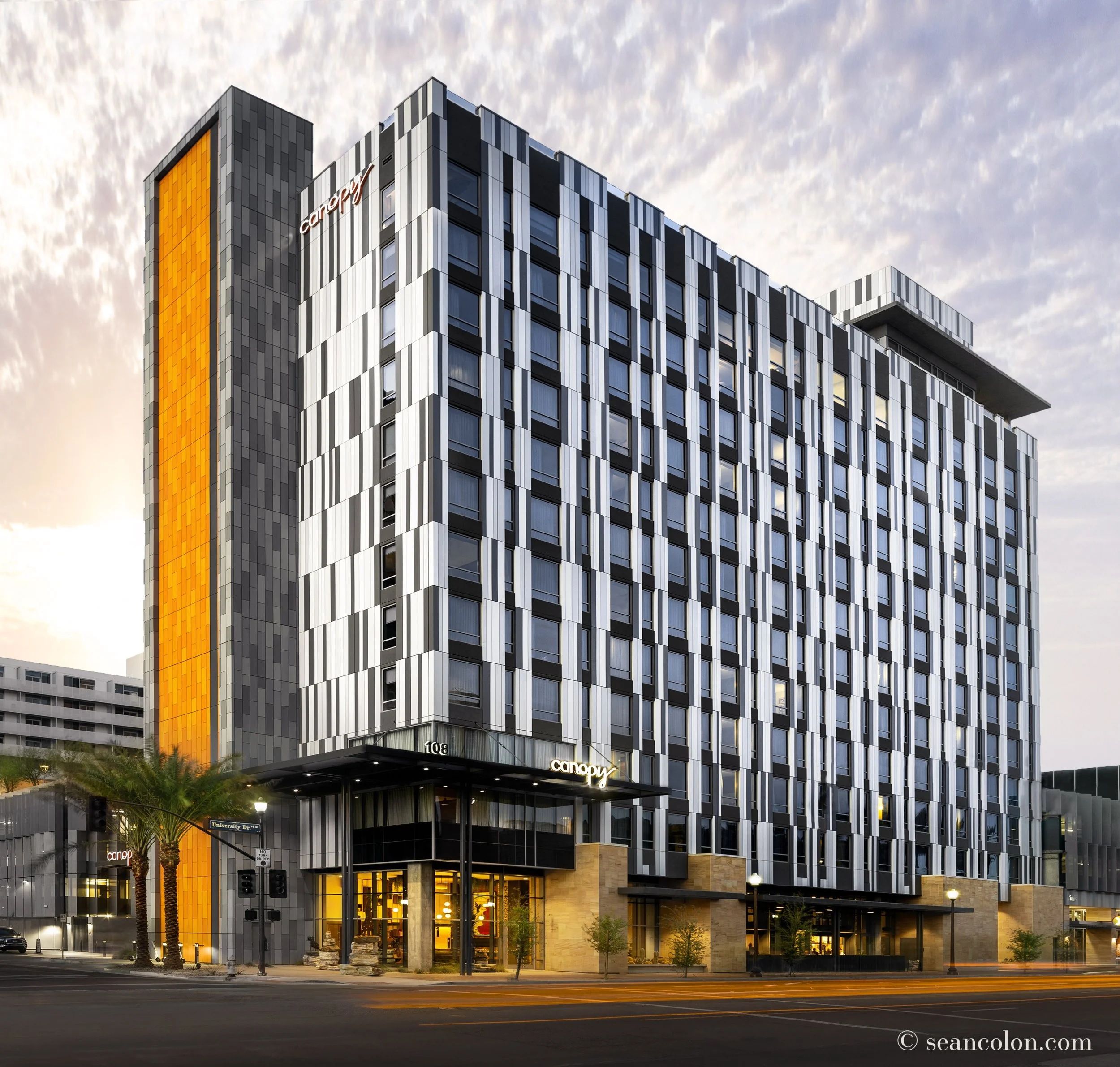
In commercial real estate, perception and underwriting are tightly linked. Buyers use visual cues to validate whether a property aligns with its projected income stream. Clean sightlines, exterior condition, unit consistency, and common area presentation all signal operational stability.
Twilight imagery reinforces occupancy appeal and site context. Aerial photography clarifies access, density, and surrounding infrastructure. Interior unit photography communicates maintenance standards and tenant experience. 3D tours allow buyers to assess layout efficiency and scale without delay.
These elements support financial discussions by reinforcing confidence before spreadsheets are exchanged.
Presentation as a Signal of Asset Stewardship
For multifamily and commercial listings across Phoenix, Tempe, Mesa, and Tucson, professional presentation communicates more than aesthetics. It signals stewardship.
Assets that appear thoughtfully documented suggest disciplined ownership. Listings that feel visually incomplete introduce hesitation, even when fundamentals are strong. Buyers interpret presentation quality as a proxy for how the property has been managed over time.
This perception directly influences how confidently buyers engage in NOI and cap rate discussions.
Supporting Capital Conversations Through Visual Clarity
Professional photography does not elevate financial performance. It clarifies it.
When imagery aligns with income projections, buyers approach underwriting with fewer assumptions and more focus. Tours become more productive. Conversations move forward with efficiency. The asset remains positioned as credible throughout the marketing cycle.
In competitive Arizona submarkets where multiple properties target similar buyer profiles, presentation helps maintain momentum without altering the numbers.
Looking to gain more knowledge in the world of investments and commercial real estate? Check out my earlier blog about how Realtors can guide sellers through smart tax-saving strategies like 1031 exchanges, primary residence conversions, and rental transitions.
A Measured Perspective to Close
Strong assets deserve clear representation. Visual presentation supports the financial narrative already embedded in the property and reinforces professionalism across every stage of evaluation.
As you consider your next listing or offering memorandum, does the visual presentation support the confidence you expect buyers to bring into NOI and cap rate discussions? Comment below to share your experience! ⬇